BMW i3 Battery Replacement: The Truth About OEM Part Numbers and Smarter Alternatives
You’ve done your homework. You know your BMW i3 needs a new battery. You’ve even cracked open the owner’s manual or scoured online forums to find the exact OEM part number for your specific model year. You think you have the magic code that will solve your range anxiety. But when you call the dealership with that number in hand, the answer shocks you: “That part is discontinued,” or worse, “The replacement cost is $18,000.”
Finding the BMW i3 battery replacement exact OEM part number is only the first step in a much larger puzzle. In many cases, the original part number leads to a dead end of high costs, long wait times, or obsolete technology.
At CNS BATTERY, we help i3 owners navigate this confusion every day. We understand the technical specifications behind those part numbers, but more importantly, we offer a superior path forward that doesn’t break the bank. This guide reveals what those OEM numbers really mean, why chasing them might be a mistake, and how you can upgrade your vehicle with a solution that outperforms the original factory spec.
Decoding the OEM Part Numbers: What You Need to Know
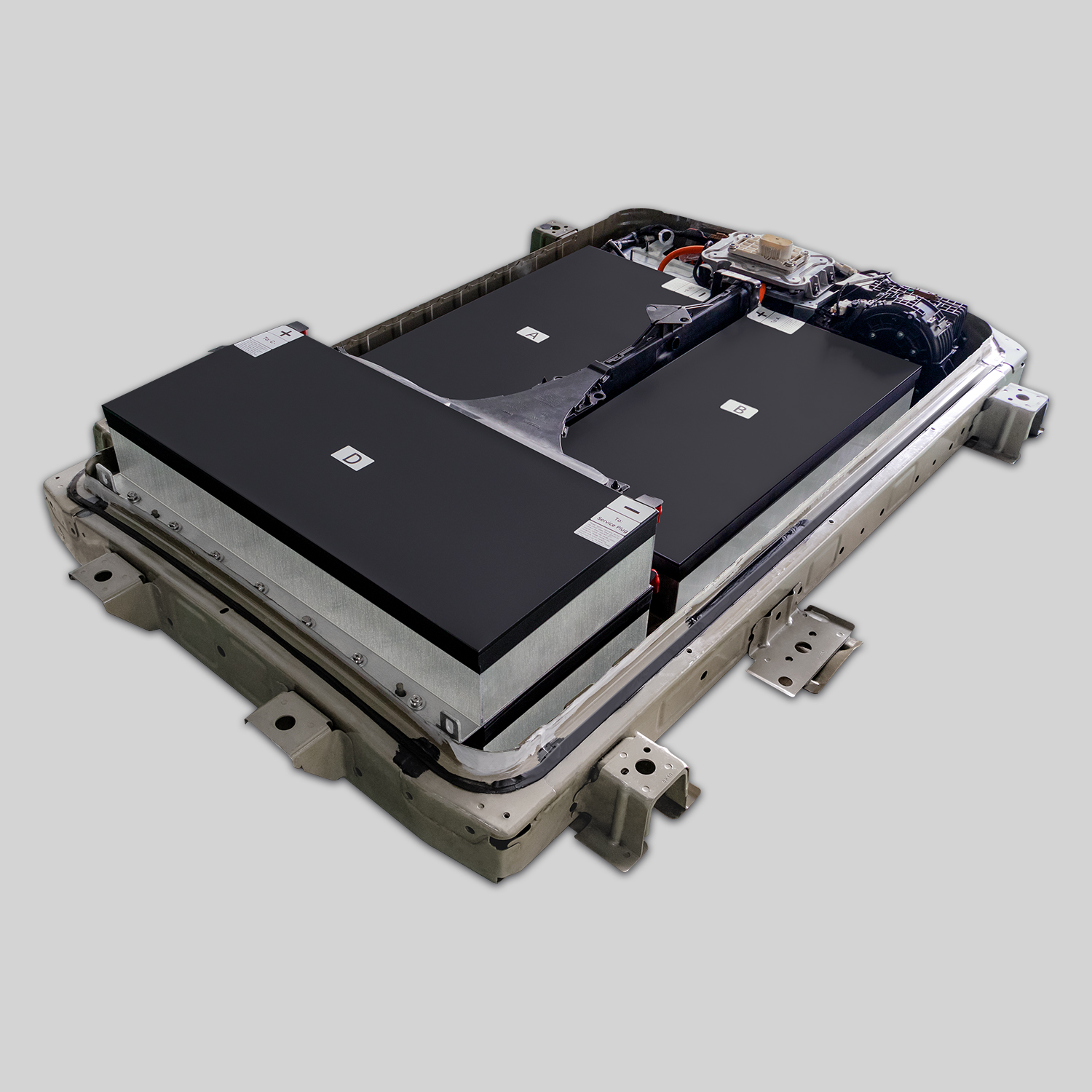
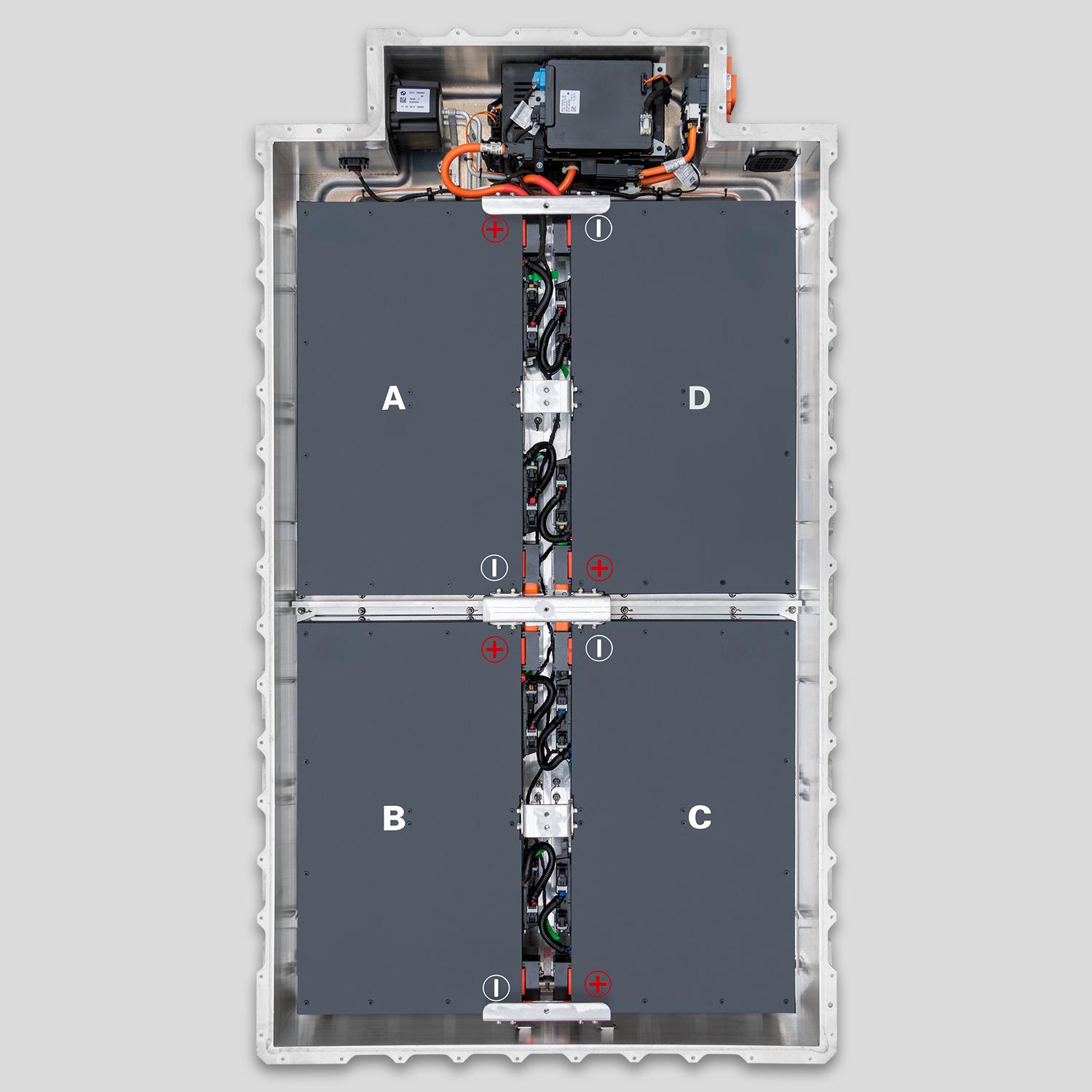
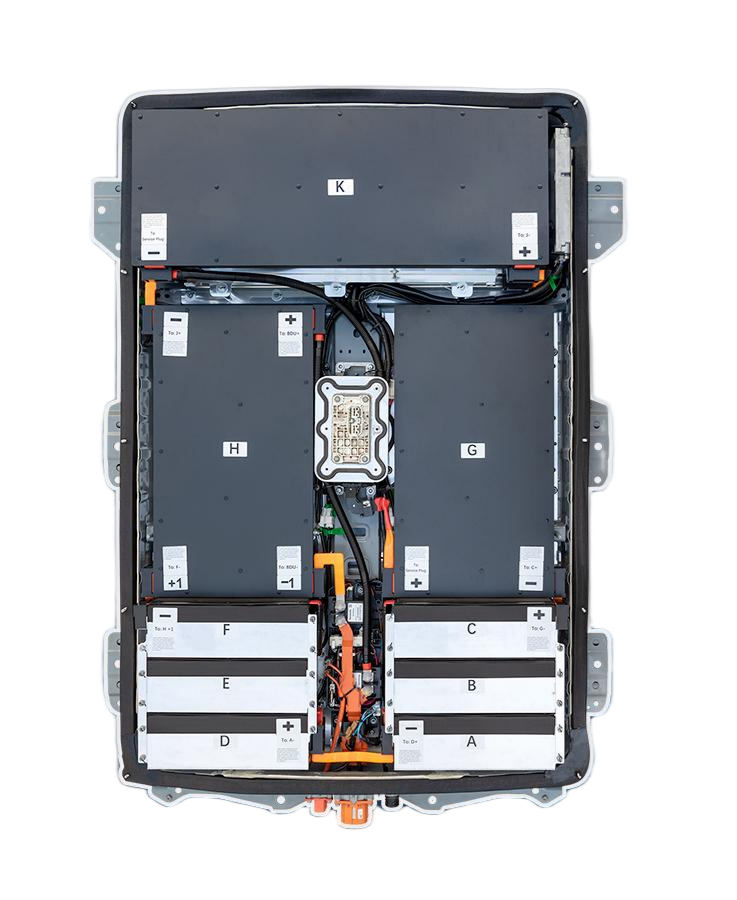
BMW i3 batteries evolved significantly over the car’s production run (2014–2022). Knowing your exact generation is crucial because the part numbers are not interchangeable.
The Three Generations of i3 Batteries
- 60 Ah (2014–2016): The original pack with approx. 22 kWh usable capacity.
- Common OEM Reference: Often associated with early part numbers ending in specific codes for the 60Ah cell modules.
- 94 Ah (2017–2018): The first major upgrade, offering approx. 33 kWh usable capacity.
- Common OEM Reference: Distinct physical height and module configuration compared to the 60 Ah.
- 120 Ah (2019–2022): The largest factory option, offering approx. 42 kWh usable capacity.
- Common OEM Reference: Further refined chemistry and management systems.
The Problem: If you own a 2015 model, searching for the original 60 Ah OEM part number today is often futile. BMW has largely stopped producing these specific legacy packs for retail replacement, pushing owners toward expensive “remanufactured” units or forcing them to accept outdated technology.
Why Chasing the Exact OEM Part Number Can Be a Trap
Even if you locate a supplier with the exact OEM part number, you face three significant hurdles:
- Exorbitant Cost: Dealerships typically charge between $15,000 and $20,000 USD for an OEM replacement pack. For a car worth less than that, the economics simply don’t work.
- Obsolete Technology: An OEM replacement means getting the same battery technology from 2014. You are essentially resetting the clock to zero, but still using cells that are a decade old in design. You get no improvement in energy density, thermal stability, or charging speed.
- Availability Issues: Genuine OEM packs for older models are increasingly rare. You might wait months for a backordered part while your car sits unusable.
Is it really wise to pay a premium for yesterday’s technology?
The CNS BATTERY Advantage: Beyond the OEM Part Number
At CNS BATTERY, we don’t just match part numbers; we engineer solutions. Our BMW i3 Series Battery replacements are designed to fit perfectly into your vehicle’s chassis and communicate flawlessly with your BMS, but they offer something an OEM part never can: Modernization.
Why Smart Owners Choose CNS BATTERY Over OEM
- Capacity Upgrades: Why replace a failing 60 Ah battery with another 60 Ah unit? With CNS BATTERY, you can upgrade your 2014 model to a 94 Ah or even 120 Ah equivalent. This doubles your range without modifying the car’s exterior or interior.
- Next-Gen Cell Chemistry: Our packs utilize the latest Lithium-Ion cells, offering better longevity, faster charging acceptance, and superior thermal management compared to the original cells referenced by those old OEM part numbers.
- Cost Efficiency: Our complete replacement solutions typically range from $8,000 to $12,000 USD. That is up to 50% savings compared to the dealership OEM price, leaving you with extra budget for other upgrades or peace of mind.
- Plug-and-Play Compatibility: We handle the complexity. Our batteries are pre-configured to match the voltage and communication protocols of your specific i3 model, ensuring a seamless installation without the need for complex coding or adaptation.
- Warranty Protection: We stand behind our modern cells with comprehensive warranties, often exceeding the coverage you’d get on a scarce OEM remanufactured unit.
Real World Success: From Obsolete to Optimized
Consider Michael, a 2015 i3 owner in Denver. His original 60 Ah battery failed, and he spent weeks trying to source the exact OEM part number. He found one, but the dealer quoted him $17,500 and a 12-week wait time. Frustrated, he contacted CNS BATTERY.
Instead of waiting for an obsolete part, Michael opted for our upgraded 120 Ah equivalent pack. For $11,000 USD, his car was back on the road in just three days. Not only did he solve the failure, but his range jumped from a pathetic 45 miles to a robust 130 miles. Michael didn’t just replace a part; he transformed his vehicle into a modern EV that rivals cars costing twice as much.
Don’t Settle for Discontinued Parts
The search for the BMW i3 battery replacement exact OEM part number often ends in disappointment or financial strain. Don’t let the pursuit of an original label force you into a bad deal. The future of your i3 lies in modern, high-performance alternatives that respect your budget and your driving needs.
Ready to ditch the obsolete OEM hunt and upgrade your range?
Stop searching for discontinued part numbers. Contact CNS BATTERY today to discuss your specific model year and discover how our custom BMW i3 Series Battery solutions can get you driving further, sooner, and for less.
👉 Get Your Custom Quote & Upgrade Plan
Frequently Asked Questions (FAQ)
1. Where can I find the exact OEM part number for my BMW i3 battery?
The part number is usually located on a sticker on the battery pack itself (accessible from underneath the car) or in your vehicle’s service history. However, keep in mind that many of these original numbers correspond to discontinued units that are no longer economically viable to purchase new.
2. Can I use a 94 Ah or 120 Ah battery in my older 60 Ah i3?
Yes! This is one of the most popular services offered by CNS BATTERY. Our BMW i3 Series Battery upgrades are engineered to physically fit and electronically communicate with older 60 Ah models, effectively doubling your range without needing complex software hacks.
3. How much does an OEM battery replacement cost vs. CNS BATTERY?
A genuine OEM replacement from a dealership typically costs between $15,000 and $20,000 USD. In contrast, CNS BATTERY provides high-capacity, modern replacements ranging from $8,000 to $12,000 USD, offering better performance at a fraction of the price.
4. Will using a non-OEM battery void my car’s warranty?
Most BMW i3s eligible for battery replacement are already out of their original 8-year/100,000-mile high-voltage warranty. Therefore, there is no remaining factory warranty to void. Furthermore, CNS BATTERY provides its own robust warranty on all replacement packs.
5. Is the installation process different for aftermarket batteries?
Our batteries are designed for plug-and-play installation. They match the original mounting points and electrical connectors. While professional installation is recommended for safety, the process is straightforward and does not require permanent modification to your vehicle.
6. Do I need to update my car’s software after installing a CNS BATTERY pack?
In most cases, the vehicle’s BMS automatically recognizes the new battery parameters. If a minor calibration is required to maximize accuracy, our support team provides clear guidance or remote assistance to ensure your dashboard displays the correct range immediately.