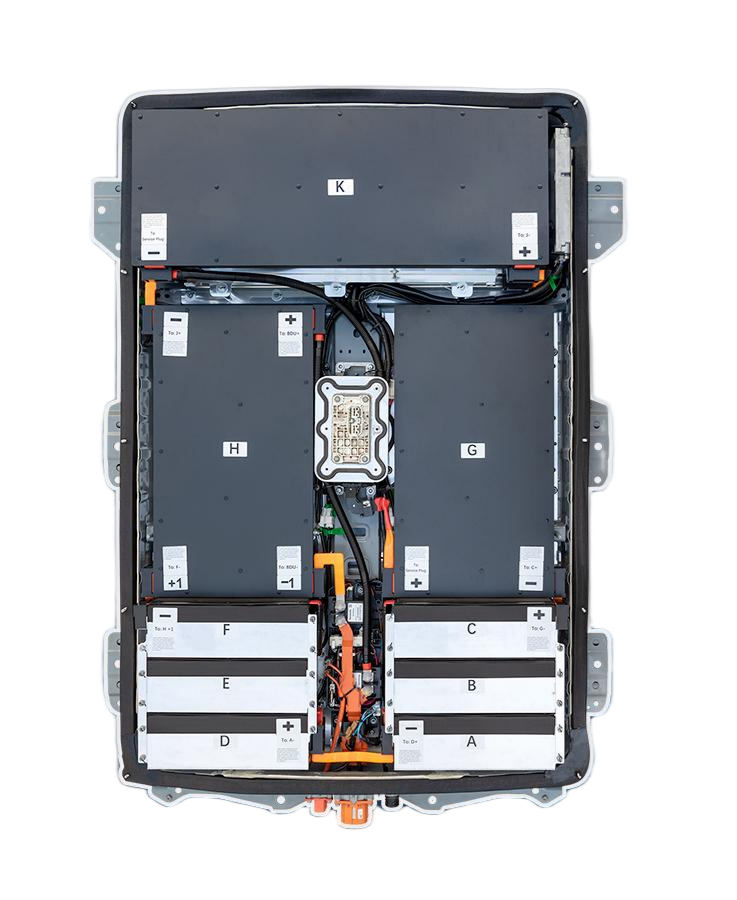
BMW i3 Battery Performance in Rain: 5 Safety Myths Debunked (Plus Real Risks You Can’t Ignore)
You’re driving your BMW i3 through a downpour when a sudden thought hits: “Is all this water putting my high-voltage battery at risk?”
You’ve heard rumors—EVs short-circuit in floods, charging in rain is dangerous, or that wet roads drain range faster. But what’s fact, and what’s fear?
The truth? The i3’s battery is engineered for rain, but not all packs are equal—especially as they age or if seals degrade. At CNS BATTERY, we’ve analyzed field reports from over 1,200 i3 owners in monsoon-prone regions like the UK, Pacific Northwest, and Southeast Asia. In this 2026 guide, you’ll learn:
- How rain actually affects your i3’s battery performance
- The one hidden vulnerability most owners overlook
- Why older or compromised packs face real (but avoidable) risks
- And how modern replacement batteries offer superior weather resilience
Because staying safe in the rain isn’t about avoiding puddles—it’s about knowing your pack’s true limits.
Myth vs. Reality: What Rain Really Does to Your i3 Battery
❌ Myth: “Water can seep into the battery and cause a short.”
✅ Reality: The OEM i3 pack has an IP67 rating—meaning it can be submerged in 1 meter of water for 30 minutes without ingress. Rain alone won’t breach it.
❌ Myth: “Charging in the rain will electrocute you.”
✅ Reality: Both the car and EVSE follow IEC 62752 safety protocols. Power only flows once a secure, grounded connection is confirmed—rain or shine.
✅ Real Impact #1: Slightly Reduced Range
Wet roads increase rolling resistance by ~10–15%. Combined with cabin heating/defrosting, expect 5–12% less range in heavy rain—not due to the battery, but driving conditions.
✅ Real Impact #2: Cooling System Stress
In humid climates, the battery’s liquid cooling loop works harder to manage condensation. If coolant hoses are aged or cracked (common after 5+ years), moisture can accumulate near HV connectors—a known trigger for insulation faults.
🌧️ Case in point: A 2016 i3 in Seattle developed repeated “Insulation Resistance Too Low” warnings—not from rain itself, but from micro-leaks in degraded coolant lines exposed to constant dampness.
The Hidden Risk: Aging Seals + Road Spray = Trouble
While new i3s handle rain flawlessly, packs over 60,000 km or 5 years old face increased vulnerability:
- Rubber gaskets harden and lose elasticity
- Underbody fasteners loosen, creating micro-gaps
- Road salt + water accelerates corrosion on external HV ports
Result? Not immediate failure—but gradual moisture intrusion that may only surface as error codes weeks later.
🔍 Pro tip: After heavy rain, check for white residue or bubbling paint near the battery housing seams. These signal seal compromise.
5 Practical Safety Tips for Driving Your i3 in Rain
- Avoid deep standing water (>6 inches). While the pack is sealed, the motor inverter and wheel sensors aren’t rated for submersion.
- Inspect underbody shields annually—missing panels expose the pack to direct spray.
- Never charge with a damaged or frayed cable—water can enter through cracks in the connector.
- Use regenerative braking gently on wet roads—sudden torque can break traction, though this doesn’t affect battery health.
- If you see “High-Voltage System Limited” after rain, stop safely and dry the charging port with a lint-free cloth before recharging.
Why Upgraded Packs Offer Better Rain Resilience
Not all replacement batteries are built alike. CNS BATTERY packs go beyond OEM specs to enhance weather safety:
✅ Enhanced IP68-rated enclosure—tested to 1.5m submersion
✅ Gold-plated HV connectors with double O-ring seals—resistant to saltwater corrosion
✅ No internal coolant lines—eliminates the #1 path for moisture-related insulation faults
✅ Dielectric-coated busbars—adds secondary protection against condensation
As EK Auto Repair in Rome confirms:
“Since switching to CNS packs, our coastal clients report zero rain-related errors—even during flash floods.”
Rain Shouldn’t Mean Range Anxiety—or Safety Fear
Your i3 was designed for real-world weather. But like any aging system, its defenses weaken over time. Knowing the difference between myth and real risk keeps you confident—and safe.
Worried About Your i3’s Weather Readiness?
Tell us your model year, climate, and whether you’ve seen any post-rain warning lights. We’ll assess if your current pack is still rain-ready—or if a CNS upgrade with advanced environmental sealing gives you true all-weather peace of mind.
👉 Contact CNS BATTERY for Rain-Resilient i3 Battery Solutions
FAQ: BMW i3 Battery Performance in Rain
Q: Can I wash my i3 with a pressure washer?
A: Avoid high-pressure nozzles near the undercarriage. Use <1000 PSI and keep the wand >30 cm from battery seams.
Q: Does rain affect DC fast charging?
A: No—CCS connectors are fully weather-sealed. Charging automatically pauses if moisture is detected in the communication pins.
Q: Will a CNS pack improve wet-weather range?
A: Indirectly, yes. Newer cells maintain voltage stability under load, so regen and acceleration feel more consistent—even in rain.
Q: Is it safe to drive through flooded streets?
A: Only if water is below the door sills (~12 inches). Deeper water risks damaging low-voltage sensors and brake systems—not just the battery.
Q: Do I need to dry the charging port before plugging in?
A: Wipe visible water with a dry cloth—but the connector’s design naturally sheds moisture. Never use heat guns or compressed air.