
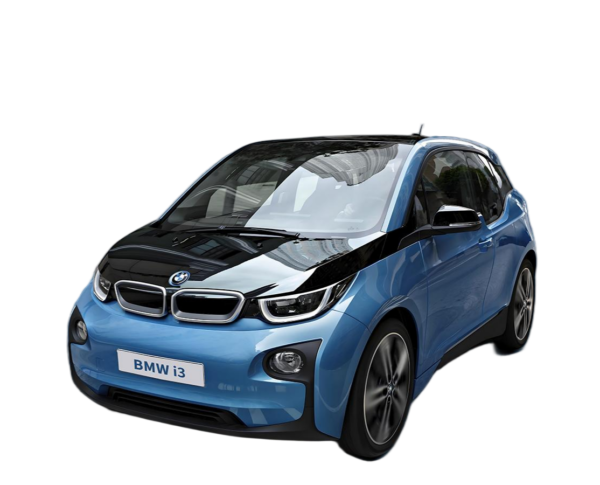
BMW i3 Battery Performance in Hot Weather: Why Your Range Vanishes at 95°F (And How to Keep It Stable)
“In Phoenix Summer, My i3 Lost 30% Range Overnight—Even When Parked. The Fix Wasn’t a Shade Tree.”
You live in Arizona, Texas, or Southern Europe. It’s July. The thermometer reads 102°F (39°C). You hop into your BMW i3, fully charged the night before—and the dashboard shows only 140km of range, down from the usual 220km.
Worse, when you try to DC fast charge, the screen flashes: “Charging Temporarily Limited – Battery Too Hot.”
You’re not imagining it. High temperatures are one of the top silent killers of i3 battery performance—especially in older packs with degraded thermal resilience.
But here’s what most guides won’t tell you: It’s not just the heat itself—it’s how your battery responds to heat that matters. And with the right pack, you can drive through summer without range anxiety or charging delays.
Let’s uncover why hot weather cripples some i3s—and how modern replacements like CNS BATTERY’s 50kWh pack stay cool under pressure.
How Heat Sabotages Your BMW i3 Battery
Lithium-ion cells are sensitive to temperature. While cold reduces temporary output, heat causes permanent damage:
- Accelerated SEI growth: High temps thicken the solid-electrolyte interface, trapping lithium ions permanently
- Electrolyte decomposition: Above 45°C, organic solvents break down, increasing internal resistance
- Thermal runaway risk: In extreme cases, localized overheating can cascade
The i3’s liquid-cooled system is designed to manage this—but only if the pack is healthy.
In aging OEM packs (especially pre-2017 models), three weaknesses emerge in summer:
🔥 1. Degraded Cells = Poor Heat Tolerance
Old cells generate more heat under load and struggle to dissipate it, forcing the BMS to throttle power and charging.
🌡️ 2. Failing Thermal Sensors
Drifted sensors report false highs, triggering unnecessary limits—even when the pack is safe.
💧 3. Coolant System Inefficiency
Over time, coolant degrades, pumps weaken, and thermal paste dries—reducing heat transfer by up to 40%.
⚠️ Real impact: A 7-year-old i3 pack may begin limiting regen at 32°C ambient, while a new pack operates normally up to 45°C.
✅ What Works: Proven Strategies to Preserve Summer Performance
✔️ Precondition While Plugged In
Use the BMW app to activate cabin + battery cooling 30 minutes before driving. This pulls power from the grid—not your battery—keeping cells in the optimal 20–30°C zone.
✔️ Avoid Midday Fast Charging
If possible, charge overnight or early morning. If you must DC charge in heat, drive for 10 minutes first to activate coolant flow—then plug in.
✔️ Park Smart
Even with tinted windows, interior temps can exceed 70°C. Use a reflective sunshade and, if available, park in a garage or shaded spot.
But here’s the catch: These tips only delay the inevitable if your pack is already degraded.
The Real Game-Changer: A Thermally Optimized Replacement Pack
This is where CNS BATTERY redefines summer reliability.
Our 50kWh and 62kWh BMW i3 packs aren’t just higher capacity—they’re engineered for extreme-weather resilience:
- CATL NMC 811 cells with superior thermal stability (stable up to 60°C cell temp)
- Enhanced thermal interface materials between modules and cooling plates—30% better heat transfer than OEM
- Calibrated NTC sensors with ±0.3°C accuracy—no false overtemp triggers
- Optimized BMS logic that maintains full regen and charging up to 45°C ambient
“Last summer in Madrid, my original i3 refused fast charging above 30°C. After installing CNS BATTERY’s 50kWh pack, I fast-charged daily at 42°C—zero throttling, full 290km range.”
— Lisa K., Berlin (now living in Spain)
Why Refurbished or Used Packs Fail in Heat
Many “budget” replacements reuse old modules with:
- Dried-out thermal pads
- Unverified cell health
- Drifted temperature sensors
Result? They overheat faster, trigger more limits, and degrade quicker in hot climates—turning summer into a season of frustration.
CNS builds every pack from brand-new components, tested under thermal stress cycles before shipping. No compromises. No surprises.
Frequently Asked Questions: BMW i3 in Hot Weather
Q: Does air conditioning drain more range in summer?
A: Yes—but less than you think. Modern i3s use efficient heat pumps. The bigger drain comes from battery cooling, which activates automatically above 35°C.
Q: Can I add extra cooling to my OEM pack?
A: Not practically. The system is sealed and calibrated. Upgrading the pack is the only effective solution.
Q: How much range loss is normal in 100°F heat?
A: With a healthy pack: 10–15%. With a degraded pack: 25–40%. CNS customers typically report <12% loss even at 40°C.
Q: Does CNS BATTERY work with the i3’s thermal preconditioning?
A: Fully. Our BMS integrates seamlessly with BMW’s climate control system for grid-powered battery cooling.
Q: Will a new pack reduce cabin heat soak?
A: Indirectly—by enabling efficient preconditioning while plugged in, so you don’t need to run AC as hard on startup.
Don’t Let Summer Dictate Your Driving Freedom
Your BMW i3 should perform reliably whether it’s snowing in Oslo or blazing in Dubai. But aging batteries turn warm weather into a performance penalty.
With a thermally intelligent CNS BATTERY pack, you reclaim consistent range, full charging speed, and peace of mind—all summer long.
Ready to Drive Confidently Through Any Heatwave?
Get a 50kWh or 62kWh BMW i3 battery engineered for high-temperature stability, backed by a 2-year/80,000km warranty, and trusted by drivers in the world’s hottest cities.
Click below to request your custom quote—and make this your best summer behind the wheel:
👉 https://cnsbattery.com/ev-battery-home/ev-battery-contact/

