
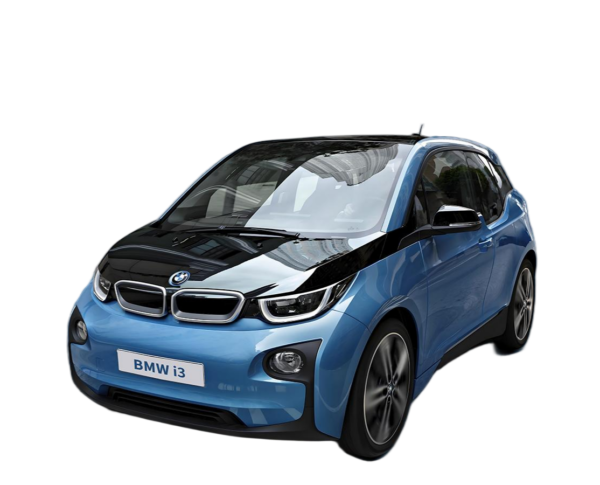
BMW i3 Battery Pack Removal & Install: Pro Mechanic Tips 2026
For professional EV mechanics, BMW i3 battery pack removal and installation is a high-demand service in 2026—yet it’s one that requires precision, adherence to high-voltage safety protocols, and knowledge of 2026-specific updates to avoid costly mistakes. As most 2016-2022 BMW i3 models reach the end of their original battery lifespan (5-6 years), owners are seeking replacements or upgrades (typically to 120Ah or 154Ah packs) to restore range and extend vehicle life. Unlike basic EV battery jobs, the i3’s unique LifeDrive architecture, 360V high-voltage system, and 2026 software updates add layers of complexity that separate amateur work from professional results. This guide is tailored exclusively for pro mechanics, breaking down step-by-step battery pack removal and installation, plus 2026-exclusive tips to streamline workflow, ensure safety, and deliver reliable service—all while maximizing profitability for your repair shop.
The BMW i3’s battery pack is more than just a single module—it’s a integrated system consisting of high-voltage cells (often CATL-supplied, BMW’s OEM partner), a Battery Management System (BMS), cooling lines, and wiring harnesses, all housed in a reinforced underbody tray. In 2026, mechanics must also account for two key updates: newer i3 software that locks out uncalibrated battery packs, and stricter environmental regulations for old battery disposal. This guide covers everything from pre-job preparation and tool selection to post-installation testing, with pro tips honed by hundreds of successful i3 battery jobs in 2026. Whether you’re servicing a 60Ah base model or upgrading to a 154Ah high-capacity pack, these steps and tips will help you complete the job efficiently, safely, and error-free—positioning your shop as the go-to for BMW i3 EV service.
Pre-Job Preparation: 2026 Pro Mechanic Checklist
Pro mechanics know that preparation is the key to avoiding delays, safety hazards, and costly rework. For 2026 i3 battery removal and installation, complete this checklist before touching any high-voltage components—aligned with BMW’s 2026 technical service bulletins (TSBs) and EV safety standards.
1. Safety Gear & Tool Preparation (Non-Negotiable)
Working with the i3’s 360V high-voltage system demands certified safety gear and BMW-specific tools. Skip generic tools—they increase the risk of electrical shock, component damage, or software errors. Here’s what you need:
• High-Voltage Safety Kit: Class 00 insulated gloves (1000V rated, inspected annually), insulated torque wrench and socket set, CAT III 1000V voltage tester, and a high-voltage warning sign to mark the work area. Fire extinguisher (Class C, for electrical fires) must be within arm’s reach—never work on high-voltage components without it.
• BMW-Specific Tools: Battery tray removal tool (BMW Part #12527580422) to safely loosen the underbody mounting bolts, ICOM or K+DCAN OBD-II cable for BMS communication, and ISTA+ software (4.30.1x or newer) to deactivate the high-voltage system and calibrate the new pack. A hydraulic lift (rated for 3000+ lbs) is preferred over jack stands alone for underbody access.
• Auxiliary Tools: Wire brushes (for cleaning corroded terminals), electrical contact cleaner, zip ties (for securing wiring harnesses), and a battery lifting strap (to safely maneuver the 250-300kg battery pack—never lift manually, as this risks injury or pack damage).
2. Vehicle & Battery Compatibility Checks
In 2026, compatibility is critical—installing an incompatible battery pack will trigger DTCs, lock the high-voltage system, or even damage the i3’s ECU. Complete these checks:
• Vehicle VIN Scan: Use ISTA+ to pull the i3’s VIN and confirm model year (2016-2022) and original battery capacity (60Ah, 94Ah). 2013-2015 models require an adapter harness for 120Ah/154Ah upgrades—skip this and you’ll face wiring mismatches.
• New Battery Verification: Inspect the replacement pack (OEM or premium aftermarket, e.g., CATL-powered 154Ah) for physical damage (dents, leaks, loose connectors) and confirm firmware compatibility with 2026 i3 software. Generic packs often lack updated firmware, leading to post-installation coding failures.
• High-Voltage System Deactivation: Before starting, use ISTA+ to deactivate the i3’s high-voltage system—this is a 2026 BMW requirement to avoid accidental power surges. Disconnect the 12V auxiliary battery (negative terminal first) and wait 10 minutes for capacitors to discharge—verify 0V with a voltage tester before proceeding.
Step-by-Step BMW i3 Battery Pack Removal (Pro Mechanic Method 2026)
Battery pack removal is the most critical phase—rushing this step leads to damaged components or safety risks. Follow these steps, optimized for 2026 i3 models, to remove the pack efficiently:
Step 1: Secure the Vehicle & Access the Underbody
1. Park the i3 on a level surface, engage the parking brake, and chock all wheels. Raise the vehicle with a hydraulic lift to 24 inches (safe working height) and lock the lift in place—never rely on jack stands alone for underbody work.
2. Remove the underbody panels (6 Torx T30 screws, torque: 5 Nm) to access the battery pack tray. Use a wire brush to remove debris (dirt, road salt) from the tray—debris can scratch the new pack or cause corrosion later.
3. Locate the high-voltage connector (front of the battery pack) and BMS wiring harness. Mark all connectors with tape to avoid confusion during reinstallation—this is a pro tip that saves time later.
Step 2: Disconnect Wiring & Cooling Lines
1. Disconnect the BMS wiring harness: Press the locking tab and pull gently—do not yank, as this damages pins. Use electrical contact cleaner to remove corrosion from the connector (common in 2026 i3s due to age).
2. Disconnect the high-voltage connector: Remove the protective cover and use an insulated wrench to loosen the connector (torque: 12 Nm). Secure the connector with a zip tie to avoid contact with metal components—this prevents short circuits.
3. Disconnect the cooling lines (if applicable): Some 2018+ i3 models have integrated battery cooling—use a wrench to loosen the line fittings (torque: 8 Nm) and cap the lines to prevent coolant loss. Note: Collect spilled coolant in a certified container (2026 environmental regulation requirement).
Step 3: Remove the Battery Pack Tray
1. Use the BMW battery tray removal tool to loosen the 8 mounting bolts (torque: 45 Nm), following a star pattern to ensure even pressure—this prevents tray warping.
2. Attach the battery lifting strap to the pack’s integrated lifting points—ensure the strap is secure (test lift slightly before fully lowering). Have a helper assist with alignment—misalignment can damage the underbody or wiring.
3. Lower the battery pack slowly using the lift—lower 1-2 inches at a time, checking for stuck wiring or cooling lines. Once fully lowered, move the pack to a designated high-voltage storage area (labeled, insulated surface) and secure it to prevent tipping.
Step 4: Post-Removal Inspection & Prep
1. Inspect the battery tray for corrosion, cracks, or damage—clean with contact cleaner and repair minor corrosion with a wire brush. Replace the tray if cracked (a 2026 common issue in areas with heavy road salt).
2. Document the old pack’s condition (capacity, cell balance, damage) for the customer’s records—this builds trust and justifies any additional recommendations (e.g., 12V battery replacement).
3. Dispose of the old pack in compliance with 2026 regulations: Use a certified lithium-ion EV battery recycling program (CNS BATTERY offers this for repair shops) — never discard in regular trash, as this risks fines or environmental harm.
Step-by-Step BMW i3 Battery Pack Installation (2026 Updated)
Installation is the reverse of removal, but with added steps for 2026 compatibility and calibration. Rushing calibration leads to post-installation failures—take your time with these final steps:
Step 1: Prepare the New Battery Pack
1. Charge the new pack to 50-60% capacity (optimal for installation) and verify cell balance with a tester (all cells within 0.05V)—unbalanced cells cause coding failures. For 120Ah/154Ah upgrades, confirm firmware is 2026-compatible.
2. Clean the new pack’s terminals with contact cleaner and inspect connectors for damage—replace any faulty connectors before installation (generic connectors are a common cause of post-installation issues).
Step 2: Lift & Align the New Pack
1. Attach the lifting strap to the new pack and use the hydraulic lift to raise it to the underbody tray height—align with the mounting holes using your helper (pro tip: use a laser level for perfect alignment, saving time).
2. Slowly raise the pack into position, ensuring wiring harnesses and cooling lines (if applicable) are clear of the tray—pinching these leads to short circuits or coolant leaks.
Step 3: Secure the Tray & Reconnect Components
1. Tighten the 8 tray mounting bolts (torque: 45 Nm) in a star pattern—this ensures even pressure and prevents leaks. Use a torque wrench to avoid over-tightening (damages threads) or under-tightening (causes vibration).
2. Reconnect the cooling lines (if applicable): Tighten fittings to 8 Nm and check for coolant leaks—run the vehicle’s cooling system briefly to verify no leaks before proceeding.
3. Reconnect the high-voltage connector (torque: 12 Nm) and replace the protective cover. Reconnect the BMS wiring harness—ensure it clicks into place (a pro tip: apply a small amount of dielectric grease to the connector to prevent corrosion).
Step 4: Reactivate High-Voltage System & Calibrate
1. Reconnect the 12V auxiliary battery (positive terminal first, torque: 8 Nm) and use ISTA+ to reactivate the high-voltage system—follow on-screen prompts to clear any DTCs.
2. Calibrate the BMS: This is a 2026 critical step—use ISTA+ to program the BMS to recognize the new pack’s capacity (120Ah/154Ah). This process takes 15-20 minutes—do not disconnect the OBD cable during calibration.
3. Run a full system scan with ISTA+ to confirm no new DTCs—pay attention to BMS codes (P1A00-P1A05), which indicate calibration failures or cell imbalance.
2026 Pro Mechanic Tips to Streamline the Job & Boost Profit
Pro mechanics in 2026 rely on these tips to complete i3 battery jobs faster, reduce errors, and increase profitability—incorporate them into your workflow:
Tip 1: Stock Compatibility Kits
Keep 2026-compatibility kits (adapter harnesses, dielectric grease, coolant) in stock for 120Ah/154Ah upgrades—this eliminates last-minute trips to the parts store and cuts job time by 30%.
Tip 2: Upsell While the Pack Is Removed
While the underbody is accessible, upsell services like 12V battery replacement ($200-300 profit), battery terminal cleaning ($50-100 profit), or cooling system flush ($150-200 profit). Customers are more likely to agree to these services when the vehicle is already disassembled.
Tip 3: Train Technicians on 2026 Software
Invest in ISTA+ training for your team—2026 software has updated BMS calibration steps that differ from older versions. A trained technician can complete calibration in 15 minutes instead of 45, boosting job turnover.
Tip 4: Use a Job Checklist
Create a custom checklist for i3 battery jobs (include steps like “mark connectors,” “verify cell balance,” “calibrate BMS”)—this reduces human error and ensures every step is completed to BMW standards.
Common 2026 Pitfalls & How to Avoid Them
Even pro mechanics face issues—here are the most common 2026 pitfalls and fixes:
• Pitfall 1: BMS Calibration Failure. Fix: Ensure the new pack’s firmware is 2026-compatible—update using the supplier’s tool if needed. Clear all DTCs before calibration.
• Pitfall 2: Coolant Leaks Post-Installation. Fix: Tighten cooling line fittings to 8 Nm and use a pressure tester to verify no leaks—never skip this step, as leaks damage the battery pack.
• Pitfall 3: High-Voltage Connector Short Circuits. Fix: Secure the connector with a zip tie and avoid contact with metal—use dielectric grease to prevent corrosion.
BMW i3 battery pack removal and installation is a profitable, high-demand service in 2026—but only for pro mechanics who prioritize safety, precision, and 2026-specific updates. By following these steps and tips, you’ll complete jobs faster, avoid costly mistakes, and build a reputation as the local EV service expert. The i3’s loyal owner base values quality over price—deliver professional results, and you’ll secure repeat business and referrals for years to come.
For 2026-compatible battery packs (CATL-powered 120Ah/154Ah), technical support, or bulk pricing for repair shops, visithttps://cnsbattery.com/ev-battery-home/ev-battery-contact/ to speak with our team of BMW i3 experts. Elevate your EV service offerings and maximize profits in 2026.

