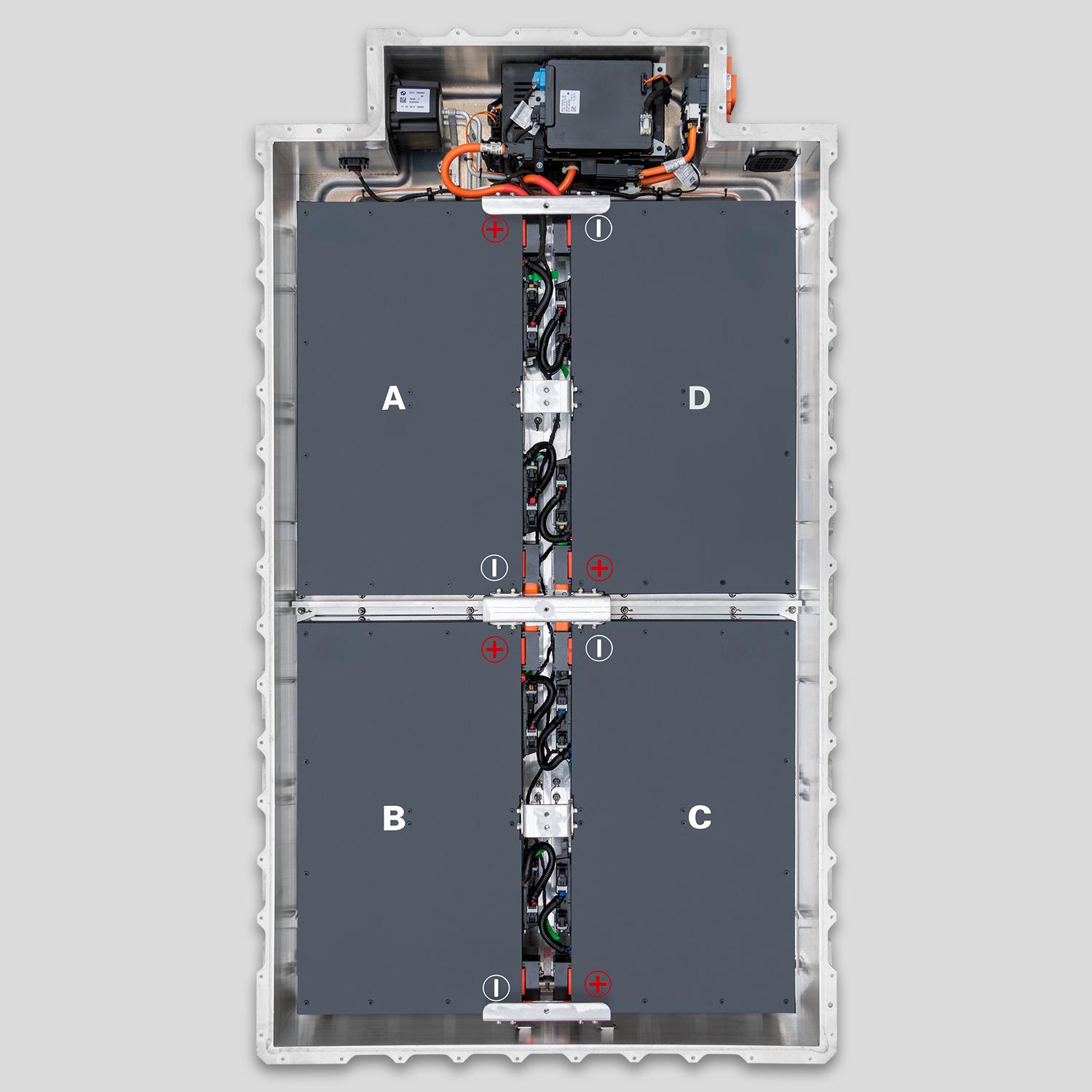
BMW i3 Battery Pack Inspection: Professional Checklist – The 12-Point Protocol That Prevents $10,000 Mistakes Before You Bolt It In
“A shop in Melbourne installed a ‘tested’ used i3 battery. The car drove fine for two weeks—then shut down on the freeway. Post-failure analysis revealed corrosion under the BMS cover, invisible from the outside, that had slowly bridged HV and LV traces. The pack wasn’t just degraded—it was electrically compromised. Total cost to the customer: new pack, tow, rental, and lost trust. All because the pre-install inspection stopped at ‘voltage looks good.’”
You’ve got a battery on the bench.
It powers up.
No obvious damage.
But if your inspection doesn’t go beyond surface-level checks, you’re not installing a solution—you’re rolling dice with safety, performance, and your shop’s reputation.
Unlike oil changes or brake jobs, EV battery installation is a one-shot deal. Once bolted in and connected, hidden flaws can trigger cascading failures that void warranties, strand customers, or worse.
This guide delivers the exact 12-point professional inspection checklist used by top EV repair centers in 2026—before a single bolt is turned:
- How to spot micro-cracks in composite housings that leak coolant
- Why connector pin integrity matters more than pack voltage
- The critical torque specs for mounting hardware (and what happens if ignored)
- How to validate BMS communication without coding
- And why CNS BATTERY packs ship with a completed inspection dossier—so you skip risk and start billing
Because in EV service, confidence isn’t assumed—it’s documented.
Why “Looks Good” Isn’t Good Enough for i3 Battery Packs
The BMW i3’s traction battery is a high-voltage, thermally managed, software-integrated system—not just a box of cells. A single overlooked flaw can cause:
- Thermal runaway from internal short circuits
- BMS lockout due to communication errors
- Mounting failure under crash loads
- Warranty denial from improper handling
Professional shops don’t guess—they verify systematically.
🔍 The 12-Point BMW i3 Battery Pack Inspection Checklist (Pre-Install)
1. Exterior Housing Integrity
- Check for cracks, dents, or punctures—especially near mounting points
- Inspect seam seals for separation or UV degradation
- Look for white powder residue (aluminum corrosion = moisture ingress)
2. Cooling System Ports
- Verify quick-connect fittings are undamaged and free of glycol residue
- Ensure O-rings are present, pliable, and seated
- Pressure test if possible (1.2 bar for 15 mins)
3. High-Voltage Connector
- Examine pins for corrosion, bending, or carbon tracking
- Confirm locking mechanism clicks firmly
- Check for melt marks or discoloration around terminals
4. Low-Voltage (CAN) Connector
- Inspect pin alignment—even 0.5mm offset causes communication loss
- Look for moisture or green oxidation (indicates past water exposure)
5. Mounting Bracket Condition
- Ensure all 4 brackets are present and crack-free
- Verify thread integrity—stripped bolts won’t hold crash loads
- Confirm rubber bushings aren’t hardened or split
6. Label & Compliance Markings
- Match part number to vehicle year (e.g., 94Ah vs. 120Ah)
- Confirm CE, E-Mark, and UN38.3 certifications are visible
- Check for tamper-evident seals (missing = unauthorized opening)
7. BMS Status Indicators
- If accessible, check LED status (steady green = healthy)
- Note any burnt smell or discoloration near BMS board
8. Cell Module Alignment
- Through service ports (if available), ensure modules sit flush
- No bulging, swelling, or shifted cells
9. Weight Verification
- Compare actual weight to spec:
- 45kWh: ~230 kg
- 62kWh: ~265 kg
- Significant deviation = missing components or cell loss
10. Documentation Review
- Demand test report: SoH, IR, voltage map, leak test
- Confirm warranty terms are valid and transferable
- Verify production date (avoid packs >2 years old in storage)
11. Compatibility Cross-Check
- Match VIN or production date to pack generation
- Confirm cooling fan and sensor types align with vehicle
12. Pre-Installation Scan (If Possible)
- Use BMW-compatible scanner to read BMS ID and SoH
- Clear any stored DTCs before install
💡 Pro insight: Skip even one point, and you risk a comeback. Document every check—your liability depends on it.
The Cost of Skipping the Checklist
Shops that rush installation face:
- 3–5x higher comeback rates
- Voided warranties due to “improper pre-install validation”
- Customer safety incidents from undetected internal faults
Professionalism means doing the work no one sees—so nothing goes wrong when they do.
CNS BATTERY: Every Pack Ships Ready—Inspected, Tested, and Documented
We don’t make you play detective. Each CNS i3 battery includes:
✅ Completed 12-point inspection report (digital + printed)
✅ Full SoH/IR/voltage map from factory testing
✅ Pressure-tested cooling system with certification
✅ OEM-spec connectors and mounts—pre-verified
✅ 2-year/80,000 km warranty with no hidden exclusions
“Before CNS, we spent 90 minutes inspecting every used pack—half failed our checklist. Now we open the crate, scan once, and install. Their documentation is our audit trail.”
— EK Auto Repair, Rome
Frequently Asked Questions: i3 Battery Inspection
Q: Can I inspect the pack without special tools?
A: Basic visual checks—yes. But SoH, IR, and BMS data require CAN scanners. Don’t guess on critical metrics.
Q: Is housing discoloration a dealbreaker?
A: If it’s uniform UV fading—no. But localized darkening or bubbling suggests thermal events—reject immediately.
Q: Do all i3 packs have the same connector type?
A: No—2014–2016 use different HV plug geometry than 2017+. Mismatch = no power.
Q: Should I re-torque mounting bolts after 500 miles?
A: Not necessary if initial torque was correct—but always follow BMW’s sequence and spec (45 Nm front, 28 Nm rear).
Q: What’s the #1 thing shops miss during inspection?
A: Low-voltage connector pin alignment. A slightly bent pin causes intermittent BMS faults that mimic software issues.
Inspection Isn’t Extra Work—It’s Your First Line of Quality Control
Your customer doesn’t see the checklist—but they feel the result.
Stop Risking Comebacks. Start Installing Packs That Arrive Fully Vetted, Certified, and Ready to Perform.
Why spend hours validating when every CNS battery ships with a complete inspection dossier?
Order your CNS BMW i3 battery—backed by full pre-install validation—or download our free printable 12-Point Inspection Checklist:
👉 https://cnsbattery.com/ev-battery-home/ev-battery-contact/