BMW i3 Battery Pack Disposal: Shop Compliance Guidelines – Avoiding the $50,000 Fine
A 2015 BMW i3 sits in your corner bay. The customer has just approved a CNS BATTERY High-Capacity Upgrade, and you are ready to install the new unit. But now you face a critical, often overlooked challenge: What do you do with the old, failed 400-volt battery pack?
It’s heavy (over 400 lbs), it’s potentially unstable, it contains toxic electrolytes, and it holds a lethal electrical charge. You can’t just toss it in the dumpster behind your shop. In 2026, environmental regulations regarding lithium-ion battery disposal are stricter than ever. Improper handling, storage, or transportation can result in massive EPA fines (up to $50,000 per day), fire liability lawsuits, and the immediate revocation of your business license.
Many independent shops stumble here. They focus on the profitable installation but treat the old pack as an afterthought, risking catastrophic consequences.
What are the specific legal requirements for storing and transporting a damaged BMW i3 battery?
How do you safely quarantine a pack that might be prone to thermal runaway?
And how can turning proper disposal into a seamless part of your service actually boost your shop’s reputation and profitability?
At CNS BATTERY, we believe that true professionalism extends from the first diagnostic scan to the final recycling receipt. We know that safe disposal is not just a regulatory hurdle; it’s a mark of a trustworthy, elite EV service center. This guide outlines the essential compliance guidelines for BMW i3 battery disposal, details the safety protocols for handling compromised packs, and explains how partnering with certified recyclers protects your business while supporting the green economy.
The Hidden Dangers: Why i3 Packs Are Unique
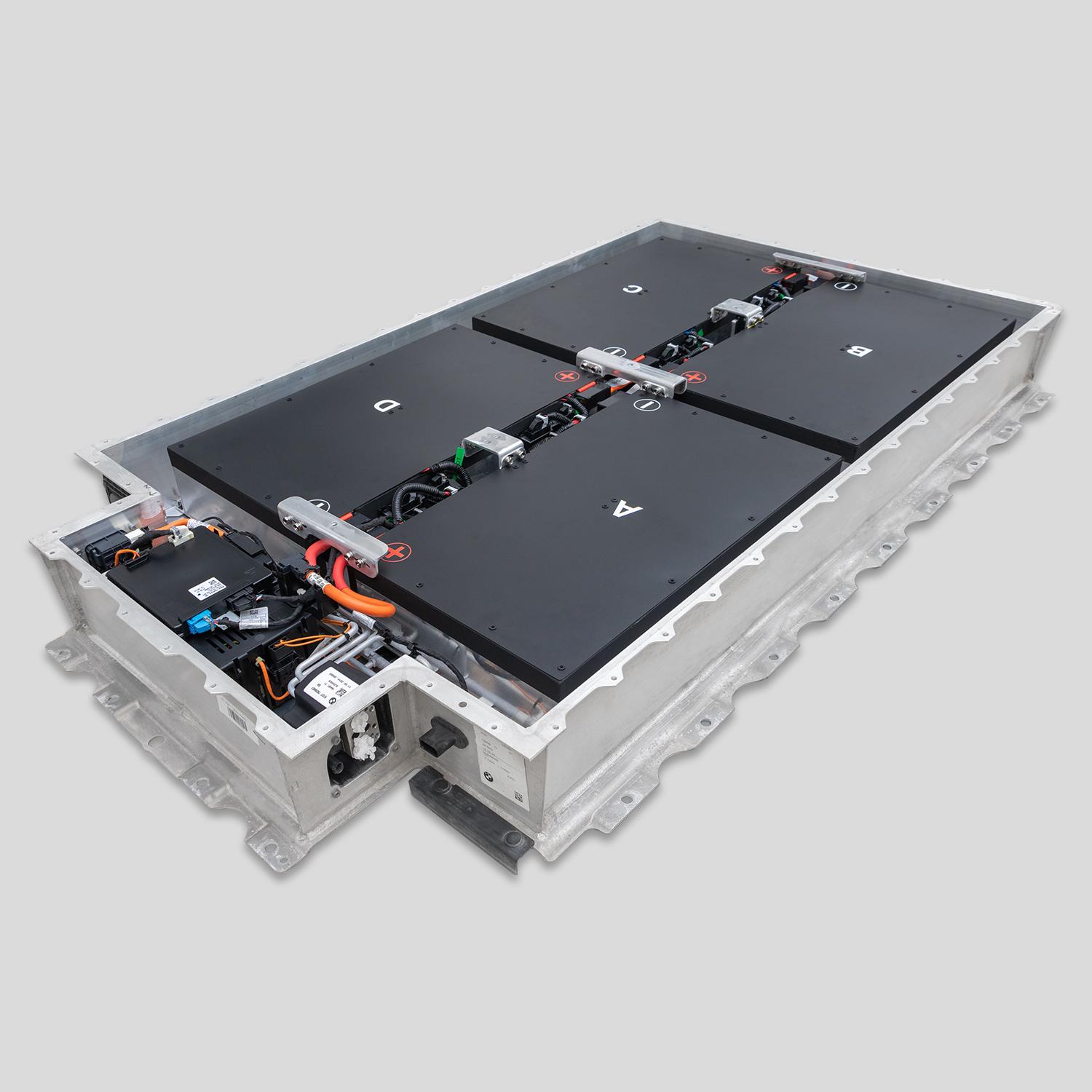
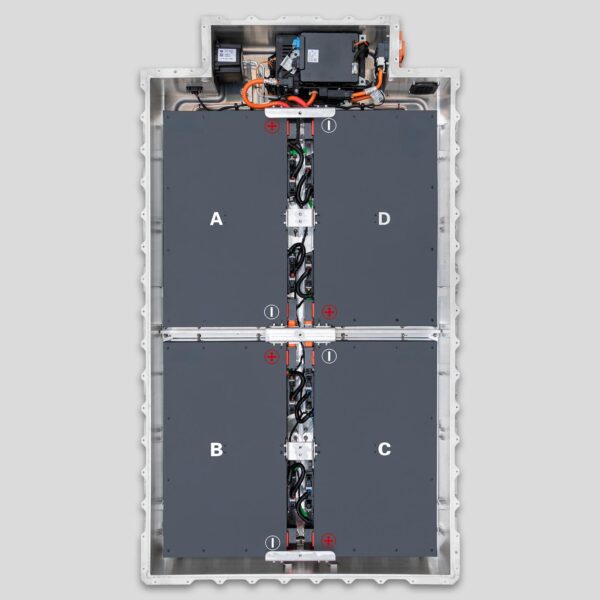
The BMW i3 battery isn’t just a big car battery. Its specific chemistry and construction pose unique risks during disposal:
- Thermal Instability: Many i3 packs are removed due to internal shorts, coolant leaks, or swelling. These packs are thermally unstable and can enter thermal runaway spontaneously, even days after removal.
- High Voltage: Even when “depowered,” capacitors can hold a charge, and damaged cells can regenerate voltage unexpectedly.
- Toxic Components: The electrolyte contains hazardous fluorinated compounds that are dangerous if released into the soil or water table.
- Weight & Structure: The aluminum casing is difficult to crush or dismantle without specialized industrial equipment, making DIY disposal impossible.
Step-by-Step Compliance Guidelines for Shops
To stay compliant and safe, your shop must follow a rigorous protocol from the moment the old pack is disconnected.
Step 1: Safe Removal & Immediate Quarantine
- Depower Correctly: Follow OEM procedures to disconnect the Service Plug (MSD) and wait the required time (usually 10-15 minutes) for capacitor discharge. Verify 0V at the terminals.
- Inspection: Before moving, check for swelling, leaks, or smoke. If the pack is visibly damaged or hot, do not move it internally. Use a fire-resistant containment bin immediately.
- State of Charge (SOC): Ideally, discharge the pack to 30-50% SOC before long-term storage or transport. Packs stored at 100% are higher risk for thermal events; packs at 0% can be damaged by deep discharge. Note: If the pack is failed, this may not be possible; prioritize safe containment.
Step 2: Certified Storage Protocols
You cannot store a removed HV battery just anywhere.
- Designated Area: Establish a specific, well-ventilated area away from flammable materials, exits, and other vehicles.
- Fire Containment: Store packs on fire-rated shelving or inside certified lithium-ion battery safety containers. These containers are designed to withstand internal fires and prevent them from spreading.
- Signage: Clearly mark the area with “High Voltage,” “Lithium-Ion Battery,” and “No Unauthorized Entry” signs.
- Monitoring: Install thermal cameras or heat detectors in the storage area to alert staff of temperature spikes immediately.
Step 3: Documentation & Manifesting
Paperwork is your legal shield.
- Hazardous Waste Manifest: In the US, used EV batteries are often classified as hazardous waste. You must generate a EPA Uniform Hazardous Waste Manifest when handing the pack to a transporter.
- Chain of Custody: Keep records of every pack removed: Date, Vehicle VIN, Battery Serial Number, Weight, Reason for Removal, and the Name of the Recycling Facility.
- Recycling Certificates: Always obtain a Certificate of Recycling (CoR) from your downstream partner. This proves the battery was processed legally and environmentally soundly. Keep these for at least 3-5 years.
Step 4: Transportation Rules
- Certified Transporters: Never use a standard tow truck or personal vehicle to move a loose battery pack. Use a licensed hazardous material transporter who understands UN3480 (Lithium Ion Batteries) regulations.
- Packaging: The battery must be secured in a way that prevents movement, short-circuiting of terminals, and damage during transit. Specialized pallets and crates are required.
- Labeling: Packages must be clearly labeled with Class 9 Hazardous Material labels and proper shipping names.
The Business Case: Turning Compliance into Profit
Proper disposal isn’t just about avoiding fines; it’s a competitive advantage.
- Trust & Reputation: Customers who drive EVs are environmentally conscious. Showing them that you recycle their old battery responsibly reinforces their trust in your brand. “We don’t just upgrade your car; we protect the planet.”
- Liability Protection: One fire caused by an improperly stored battery could destroy your entire shop. Compliance is your insurance policy.
- Revenue Streams: Some recycling partners offer rebates based on the weight and chemistry of the returned battery. While not huge, it offsets disposal costs.
- Regulatory Future-Proofing: As laws tighten, shops with established compliance protocols will be the only ones authorized to handle EV repairs, pushing non-compliant competitors out of the market.
The CNS BATTERY Partnership: A Complete Solution
When you choose CNS BATTERY as your upgrade partner, you aren’t just getting a new battery; you’re getting access to a network of compliant solutions.
How We Support Your Displiance Needs
- Core Return Programs: In many regions, we facilitate the return of the old “core” battery through our logistics network, ensuring it goes directly to certified recyclers.
- Documentation Support: We provide templates and guidance on generating the necessary manifests and tracking documents.
- Safety Training: Our partner workshops include modules on safe removal, quarantine, and handover procedures for old packs.
- Peace of Mind: Knowing that your upgrade process includes a compliant disposal path allows you to focus on what you do best: installing high-performance batteries.
Cost Efficiency:
- Improper Disposal Fine: Up to $50,000+ per violation.
- Fire Damage Loss: Average $150,000+ per incident.
- Certified Disposal Cost: Typically $300 – $600 USD per pack (often offset by core rebates).
- CNS BATTERY Upgrade Profit: $8,000 – $14,000 USD per job.
- The math is clear: Proper disposal is a tiny cost of doing business compared to the massive profits and risk mitigation of upgrading.
Real Story: From “Corner Dust” to “Certified Green”
“GreenDrive Auto” in Oregon used to stack old i3 batteries in their back lot, covered by a tarp. When a local environmental agency did a surprise inspection, they were hit with a $12,000 fine and ordered to cease EV operations until compliant.
“We panicked,” admits the owner. “We didn’t realize the rules were so strict.” They partnered with CNS BATTERY and a certified recycler. “Now, every old pack goes straight into a fire-rated container, gets manifested within 24 hours, and shipped out. We display our recycling certificates in the lobby. Customers love it. We turned a liability into a marketing point: ‘The Greenest Upgrade in Town.’ Our EV business has doubled since we got serious about compliance.”
Stop Risking, Start Complying
BMW i3 battery pack disposal is not an optional extra; it is a fundamental requirement of operating an EV repair shop in 2026. The risks of non-compliance—financial, legal, and physical—are too high to ignore.
Be the shop that leads by example. Be the shop that customers trust to handle their EVs safely from start to finish.
Ready to upgrade your disposal protocol?
Don’t wait for an inspection or a fire. Contact CNS BATTERY today to become a certified partner. Get access to our compliance guides, recycling networks, and wholesale upgrades. Build a safer, more profitable, and environmentally responsible EV business.
👉 Get Your Compliance Kit & Partner Access
Frequently Asked Questions (FAQ) for Shops
1. Can I throw a used BMW i3 battery in the regular trash?
Absolutely NOT. Lithium-ion batteries are classified as hazardous waste. Disposing of them in regular trash is illegal and carries massive fines. They must be recycled through certified facilities.
2. How long can I store a removed battery in my shop?
Regulations vary by location, but generally, you should not store hazardous waste (including used EV batteries) for more than 90 days without a specific storage permit. Ideally, arrange for pickup within 30 days.
3. Do I need a special license to remove and store EV batteries?
In many jurisdictions, yes. You may need a Hazardous Waste Generator ID and specific training for staff handling high-voltage systems. Check with your local EPA or environmental agency.
4. What if the battery is swollen or leaking?
Treat it as an immediate emergency. Place it in a dedicated lithium-ion fire containment bin outdoors, away from structures. Contact a hazardous material response team or certified recycler immediately for emergency pickup. Do not attempt to drain or disassemble it yourself.
5. Can I get money for my old i3 batteries?
Sometimes. Recyclers pay based on the weight of recoverable materials (lithium, cobalt, nickel). Prices fluctuate, but you may receive a core rebate ranging from $100 to $400 per pack, which helps offset disposal shipping costs.
6. Does CNS BATTERY help with disposal?
Yes. As part of our partnership program, we connect shops with certified logistics and recycling partners to ensure your old cores are handled compliantly and efficiently.
7. What paperwork do I need to keep?
You must retain Hazardous Waste Manifests and Certificates of Recycling for at least 3 to 5 years (depending on local laws). These documents prove you disposed of the battery legally and are your primary defense in an audit.