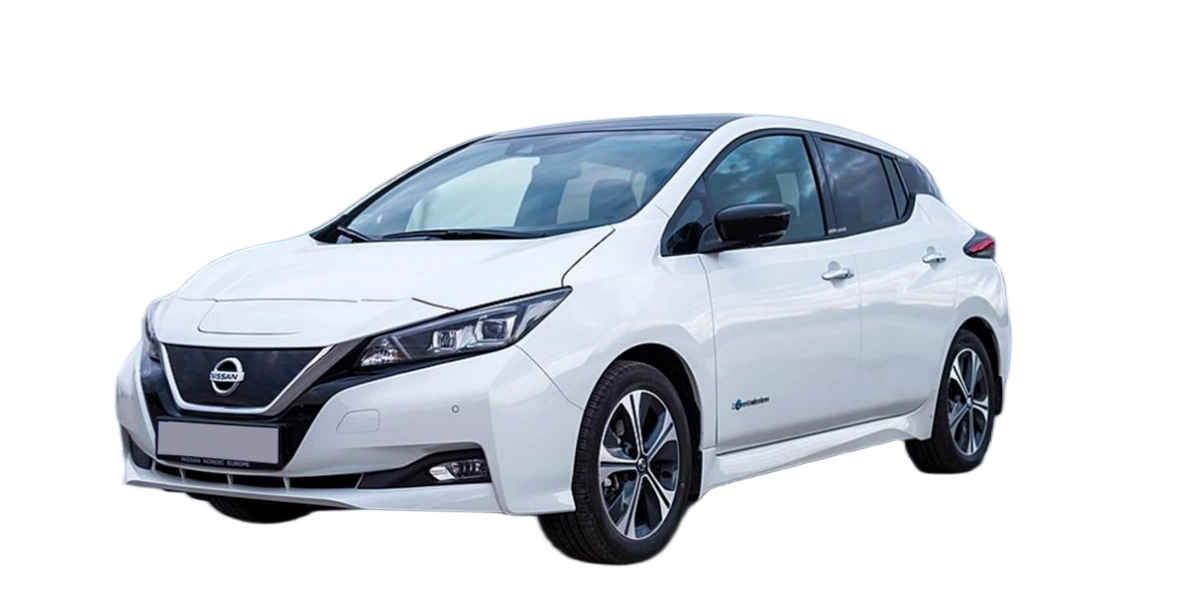
BMW i3 Battery Overheating: Tow Truck Needed? – The Critical Decision That Could Save Your Car
You are driving your BMW i3 on a warm afternoon when the dashboard suddenly erupts in red warnings. “High Voltage Battery Overheated,” “Charge Power Reduced,” and “Drivetrain Malfunction” flash across the screen. The car immediately enters “limp mode,” stripping away power until you can barely maintain 40 mph. The cooling fans scream, but the temperature gauge doesn’t budge.
Panic sets in. Can I make it home? Is it safe to keep driving? Do I need to call a tow truck right now, or will this resolve itself if I just drive slower?
This is not a hypothetical scenario; it is a critical emergency for your vehicle’s most expensive component. Ignoring an overheating battery in a BMW i3 can lead to permanent cell damage, thermal runaway, or even a fire. The decision you make in the next five minutes could cost you $500 in towing fees or $20,000 in battery replacement costs.
When exactly is a tow truck mandatory?
What are the hidden dangers of “limping” an overheated EV?
And if your battery is prone to overheating, is there a permanent solution that eliminates this risk forever?
At CNS BATTERY, we have responded to hundreds of overheating emergencies. We know that while some warnings are temporary glitches, others signal catastrophic failure. This guide provides a clear decision matrix for when to tow, explains the severe risks of ignoring heat warnings, and reveals why upgrading to a modern high-capacity system is the only way to ensure your i3 never leaves you stranded again.
The Danger Zone: Why Overheating Is Different from Other Warnings
In a gasoline car, an overheating engine is bad. In an electric vehicle, an overheating high-voltage battery is potentially lethal.
The Physics of Failure
Lithium-ion cells operate within a narrow temperature window (typically 15°C–35°C). When they exceed this limit:
- Chemical Breakdown: The electrolyte inside the cells begins to decompose, creating gas and increasing internal pressure.
- Thermal Runaway: If one cell gets too hot, it can ignite its neighbors, causing a chain reaction that is nearly impossible to extinguish.
- Permanent Capacity Loss: Even if the battery doesn’t catch fire, excessive heat permanently damages the cell structure, reducing your range forever.
The Verdict: Unlike a low-tire-pressure warning, an overheating battery warning is a “Stop Immediately” alert. Continuing to drive forces current through unstable cells, accelerating the damage with every second.
The Decision Matrix: Do You Need a Tow Truck?
Not every warning requires a flatbed, but most do. Use this quick checklist to decide your next move.
Scenario A: TOW TRUCK IS MANDATORY (Call Immediately)
Call for a flatbed tow truck if you experience ANY of the following:
- Smoke or Burning Smell: If you see smoke or smell burnt plastic/chemicals coming from under the rear seat, stop immediately, exit the vehicle, and call 911 + a tow truck. Do not touch the car.
- “Stop Vehicle” Warning: If the dashboard explicitly says “Stop Vehicle Safely” or “High Voltage System Deactivated.”
- Complete Loss of Power: If the car stops moving or refuses to shift out of Park.
- Coolant Leak: If you see blue/green fluid pooling under the car alongside the overheating warning. This indicates a breach in the cooling system, and driving will cook the battery instantly.
- Persistent Warning After Cooldown: If you stop, turn off the car, wait 15 minutes, and the warning returns immediately upon restarting.
Scenario B: PROCEED WITH EXTREME CAUTION (Only if Necessary)
You might be able to drive slowly to a safe spot or nearby shop ONLY IF:
- The warning is “Charge Power Reduced” but driving power is still mostly normal.
- There is no smoke, smell, or leaking fluid.
- You are less than 5 miles from a safe location or specialist.
- Action: Turn off the A/C, switch to Eco Pro mode, drive below 35 mph, and monitor the temperature constantly. If the warning escalates, pull over and tow.
The Golden Rule: If in doubt, TOW IT. The cost of a tow truck ($150–$300) is negligible compared to the cost of a destroyed battery pack ($18,000+).
The Hidden Risks of “Limping” Home
Many owners try to “nurse” their overheated i3 home to save money on towing. This is a dangerous gamble.
1. Accelerated Degradation
Driving with an overheated battery forces the BMS to throttle power, but it cannot stop the chemical decay happening inside the cells. Every mile driven in this state permanently reduces your total capacity. You might save $200 on towing but lose $2,000 worth of battery life.
2. Safety Hazard
An overheating battery is unstable. Sudden acceleration, hitting a bump, or even just continued current flow can trigger a thermal event. You are driving a potential fire hazard.
3. Voided Warranty/Insurance
If you ignore a critical safety warning and continue to drive, causing further damage (like a fire or total cell failure), your insurance company or extended warranty provider may deny your claim, citing “operator negligence.”
The Hard Truth: Overheating Is Often a Symptom of Death
If your BMW i3 is overheating frequently, especially in mild weather or during normal driving, it is rarely just a “bad fan” or “low coolant.”
- High Internal Resistance: As batteries age (especially 2014-2018 models), their internal resistance increases. This causes them to generate excessive heat even under normal loads.
- Failing Cooling Infrastructure: Old pumps, clogged channels, and degraded coolant lose their ability to manage heat.
- Cell Imbalance: Weak cells heat up faster than strong ones, creating hot spots that trigger system-wide warnings.
The Reality: If your battery is overheating, it is telling you it is at the end of its life. Repairing the cooling system on a dying battery is like putting a new radiator in a car with a cracked engine block. It might work for a week, but the core problem remains.
The CNS BATTERY Solution: Upgrade to Cool, Reliable Power
Why live in fear of the next heatwave or the next hill climb? At CNS BATTERY, we eliminate the root cause of overheating by replacing your aging, heat-prone pack with a modern, thermally stable system.
Why Upgrading Eliminates Overheating Risks
- Low Internal Resistance: Our Grade-A 2026-era cells generate significantly less heat than your original 10-year-old cells, even under heavy load or fast charging.
- Advanced Thermal Stability: Modern cell chemistry can withstand higher temperatures without degrading, giving your cooling system a massive safety margin.
- Perfect Integration: Our upgrades include a full inspection and service of the cooling loop, ensuring fresh coolant, a verified pump, and zero air pockets.
- Double the Range: While solving your overheating nightmares, you upgrade from a failing 60 Ah or 94 Ah pack to a 120 Ah to 180 Ah system, giving you 130–200+ miles of range.
- Cost Efficiency:
- Towing + Repeated Repairs: $500+ (and the problem returns).
- Dealership OEM Replacement: $18,000–$22,000 USD.
- CNS BATTERY Upgrade: $8,000 – $14,000 USD. You get a brand-new, cool-running battery with double the range for half the dealer price.
Real Story: From “Roadside Panic” to “Cool Confidence”
Meet Alex, a 2016 i3 owner. Last summer, his car overheated on a highway ramp. He tried to limp to the next exit, but the car died completely. He had to pay $400 for an emergency tow. The dealer diagnosed “severe cell degradation causing thermal instability” and quoted $21,000 for a replacement.
Alex contacted CNS BATTERY. We installed a 150 Ah upgrade. “It’s been a year, including two brutal summers,” Alex says. “I’ve driven up mountains, sat in traffic, and fast-charged in 90-degree heat. The battery stays perfectly cool. The fans barely turn on. I have 180 miles of range, and I never worry about seeing that red warning light again. The upgrade didn’t just fix the overheating; it made my car reliable again.”
Don’t Gamble With Fire
BMW i3 battery overheating is a critical warning that demands immediate respect. In most cases, yes, you need a tow truck to prevent catastrophic damage. But towing is just the first step. The real solution is replacing the failing hardware before it leaves you stranded again.
Don’t wait for the next emergency. Upgrade to a system designed for reliability and safety.
Has your i3 shown overheating warnings?
Don’t risk a fire or a total breakdown. Contact CNS BATTERY today for a professional thermal diagnostic. We’ll tell you if your battery is at risk and show you how our BMW i3 Series Battery upgrades can provide a cool, safe, and high-range solution that eliminates overheating forever.
👉 Get Your Thermal Assessment & Upgrade Quote
Frequently Asked Questions (FAQ)
1. Do I need a tow truck if my BMW i3 battery overheats?
In most cases, YES. If the warning says “High Voltage Battery Overheated” accompanied by power loss, smoke, smells, or coolant leaks, you must stop immediately and call a flatbed tow truck. Driving further can cause permanent battery damage or fire.
2. Can I reset the overheating warning and keep driving?
No. Resetting the code does not fix the underlying heat issue. The cells are physically hot. Continuing to drive forces current through unstable cells, risking thermal runaway and total battery failure.
3. What causes BMW i3 batteries to overheat?
Common causes include aging cells with high internal resistance, failing cooling pumps, low coolant levels, clogged cooling channels, or severe cell imbalance. In older i3s, degradation is the most frequent culprit.
4. Will a new battery fix the overheating problem?
Absolutely. A CNS BATTERY upgrade uses modern cells with lower internal resistance that generate far less heat. Combined with a refreshed cooling system, it eliminates the root cause of overheating, ensuring safe operation even in extreme conditions.
5. How much does it cost to tow vs. upgrade?
A tow truck costs $150–$400. However, if overheating destroys your battery, replacement costs $18,000+. A CNS BATTERY upgrade costs $8,000–$14,000 USD, providing a permanent fix with double the range, making it the most cost-effective long-term solution.
6. Can I drive my i3 in hot weather after an upgrade?
Yes. Our upgraded batteries are designed with superior thermal stability. You can drive in high temperatures, use full A/C, and fast-charge without the fear of overheating warnings that plague aging original packs.
7. What type of tow truck do I need for an EV?
You must request a flatbed tow truck. Never tow an EV with wheels on the ground (dinghy towing), as this can damage the electric motor and generate electricity in a disconnected system, causing further damage.