
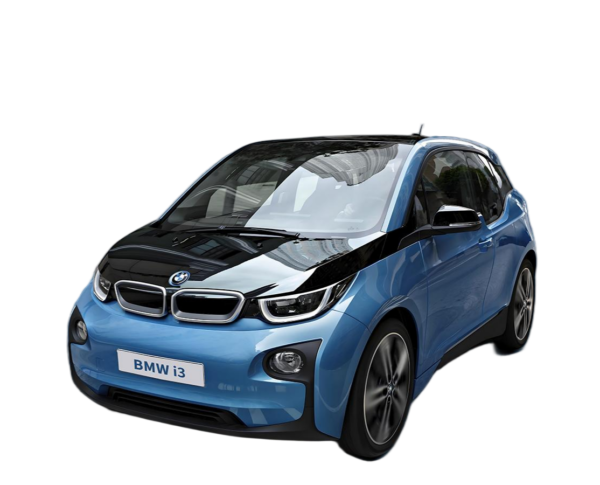
BMW i3 Battery Overheating: Fan Not Working? The Silent Killer of Your Range
You are driving your BMW i3 on a warm afternoon, or perhaps you’ve just plugged it into a DC Fast Charger. Suddenly, the dashboard erupts with warnings: “Charge Power Reduced,” “Drivetrain Malfunction,” or the dreaded “High Voltage Battery Overheated.”
Instinctively, you listen for the hum of the cooling fans underneath the rear seat. Usually, they scream like jet engines when the battery gets hot. But today… silence.
Is the fan broken?
Why isn’t it turning on when the battery is screaming for help?
And if the fan isn’t working, is my battery already cooking itself from the inside out?
A non-functioning BMW i3 battery cooling fan is not just a minor inconvenience; it is a critical emergency. Without active airflow, your high-voltage battery pack can reach dangerous temperatures in minutes, triggering safety shutdowns, permanently degrading cell capacity, or in extreme cases, causing thermal runaway.
At CNS BATTERY, we have diagnosed countless i3s where a simple $300 fan failure led to thousands of dollars in battery damage because it was ignored. We know that while replacing a fan is a standard repair, it often reveals the true fragility of an aging battery system. This guide explains why your fan might have stopped, how to diagnose the issue immediately, and why upgrading to a modern, efficient battery pack is the ultimate solution to eliminate overheating risks forever.
The Lifeline: Why the Cooling Fan Is Critical
The BMW i3 relies on a sophisticated hybrid cooling system. While it uses liquid coolant for the cells, the electric cooling fans (located under the rear bumper) are responsible for dissipating heat from the radiator and the battery casing.
What Happens When the Fan Fails?
- Heat Trapping: Without airflow, the heat generated by charging or driving cannot escape. The coolant temperature spikes rapidly.
- Thermal Throttling: The Battery Management System (BMS) detects the rising temperature and drastically reduces power output and charging speed to protect the cells. You lose range and performance instantly.
- Permanent Degradation: Lithium-ion cells hate heat. Sustained temperatures above 45°C (113°F) accelerate chemical aging. A few hours of overheating can permanently reduce your battery’s total capacity by 5-10%.
- Safety Shutdown: If temperatures continue to rise, the BMS will disconnect the high-voltage system entirely, leaving you stranded.
The Reality: A silent fan is a ticking time bomb for your most expensive component.
Common Causes: Why Is My Fan Not Working?
If your i3 is overheating and the fan is dead, the culprit is usually one of these four issues:
1. Blown Fuse or Relay
The simplest cause. A power surge or age can blow the dedicated fuse for the cooling fan circuit.
- Symptom: Fan is completely dead, no noise at all.
- Fix: Replace the fuse (cheap). But ask why it blew—was there a short?
2. Failed Fan Motor
The electric motor inside the fan assembly wears out over time. Bearings seize, or the windings burn out.
- Symptom: You might hear a clicking sound or a brief attempt to spin before it stops. Or total silence.
- Fix: Replace the entire fan assembly.
3. Wiring Harness Damage
The wiring running to the rear fans is exposed to road debris, salt, and vibration. Wires can corrode, chafe, or be chewed by rodents.
- Symptom: Intermittent operation or complete failure.
- Fix: Repair or replace the damaged wiring harness.
4. BMS or Sensor Fault
Sometimes the fan is fine, but the car thinks it doesn’t need to run. A faulty temperature sensor might report a cold battery even when it’s hot, preventing the BMS from activating the fan.
- Symptom: Battery is physically hot, but diagnostic tools show “cold” readings, and the fan stays off.
- Fix: Replace the sensor or address BMS communication errors.
Immediate Steps: What to Do If Your Fan Fails
If you suspect your fan is not working:
- Stop Charging Immediately: If you are at a charger, unplug. Do not force current into a hot, uncooled battery.
- Park in Shade: Move the car to a cool location. Open the rear trunk slightly (if safe) to allow some passive airflow, though this is minimal.
- Do Not Drive Aggressively: If you must move the car, drive gently to minimize heat generation.
- Get a Diagnostic: Have a professional scan the car. Check for fault codes related to the fan circuit, temperature sensors, or BMS.
⚠️ WARNING: Do not ignore this. Driving with a failed cooling fan can cook your battery cells, turning a $300 repair into a $20,000 replacement.
The Hard Truth: Is the Fan the Only Problem?
Here is the scenario many owners face: They replace the broken fan for $400–$600. The fan works perfectly now. But the overheating warnings still appear, or the range remains terrible.
Why?
Because the fan failure was likely a symptom, not the root cause.
- Old Battery Resistance: An aging battery generates significantly more heat than a new one due to increased internal resistance. The original fan design might struggle to keep up even when working perfectly.
- Degraded Coolant: Old coolant loses its ability to transfer heat efficiently.
- Clogged Radiator: Years of road grime can block the radiator fins, rendering even a perfect fan useless.
- Cell Damage: If the battery overheated before you fixed the fan, the cells may already be damaged, generating excess heat permanently.
The Verdict: Fixing the fan is necessary, but if your battery is old, it might not be enough to solve your overheating issues long-term.
The CNS BATTERY Solution: Upgrade to Cool Efficiency
If your BMW i3 is prone to overheating, or if you’ve just repaired a fan and want to ensure it never happens again, the best investment is a battery that generates less heat in the first place.
At CNS BATTERY, our 120 Ah upgrades are engineered for superior thermal performance.
Why Upgrading Eliminates Overheating Risks
- Lower Internal Resistance: Our modern Grade-A cells generate significantly less heat during charging and driving compared to your original 10-year-old cells. Even if the fan slows down, the battery stays cooler naturally.
- Advanced Thermal Stability: Newer cell chemistry can withstand higher temperatures without degrading, giving your cooling system a wider safety margin.
- Perfect System Integration: When we install an upgrade, we inspect and service the entire cooling loop: new coolant, cleaned radiator, and verified fan operation. We ensure the whole system is optimized for the new pack.
- Double the Range: While solving your overheating fears, you upgrade from a failing 60 Ah or 94 Ah pack to a 120 Ah equivalent, giving you 130+ miles of range.
- Cost Efficiency:
- Fan Repair + Potential Collateral Damage: $500–$1,000 (plus risk of existing cell damage).
- Dealership OEM Replacement: $20,000+.
- CNS BATTERY Upgrade: $8,000 – $12,000 USD. You get a brand-new, cool-running battery with double the range for half the dealer price.
Real Story: From “Silent Fan” to “Cool Confidence”
Meet James, a 2015 i3 owner. His fan died during a summer heatwave. He replaced the fan for $450, thinking he was safe. But two weeks later, his car still throttled charging speeds. A diagnostic revealed that the initial overheating event had damaged several cell modules, increasing their resistance and heat generation. He was facing a $4,000 module repair bill, with no guarantee of success.
James contacted CNS BATTERY. We installed a 120 Ah upgrade. “The difference is incredible,” James says. “I drove through a heatwave last week, fast-charged twice, and the battery stayed perfectly cool. The new cells generate so little heat that the fans barely kick in. I have 135 miles of range and zero anxiety. Fixing the fan was a band-aid; the upgrade was the cure.”
Don’t Let a Broken Fan Cook Your Investment
A BMW i3 battery fan not working is a serious warning sign. It threatens the health of your entire high-voltage system. While replacing the fan is essential, do not assume it solves every problem, especially if your battery is aging.
Protect your vehicle with a solution that reduces heat generation at the source and guarantees reliable performance.
Is your BMW i3 overheating or showing fan faults?
Stop risking permanent battery damage. Contact CNS BATTERY today for a comprehensive cooling system and battery health diagnostic. We’ll tell you if a simple fan swap will work or if it’s time for a 120 Ah upgrade that runs cooler and lasts longer.
👉 Get Your Cooling & Battery Assessment
Frequently Asked Questions (FAQ)
1. How do I know if my BMW i3 battery fan is not working?
Signs include overheating warnings (“Charge Power Reduced”), lack of fan noise when the car is hot or charging, and reduced performance. A professional diagnostic can confirm if the fan motor is receiving power but failing to spin.
2. Can I drive my i3 if the cooling fan is broken?
No. Driving or charging with a failed fan risks rapid battery overheating, which can cause permanent cell degradation or fire. The vehicle should be towed to a specialist for immediate repair.
3. How much does it cost to replace the battery cooling fan?
A professional fan replacement typically costs between $400 and $700 USD, including parts and labor. However, if the overheating has already damaged battery cells, additional repair costs can skyrocket.
4. Will a new fan fix my overheating issues permanently?
If the battery is healthy, yes. However, if your battery is old and degraded, it may generate excessive heat that overwhelms even a new fan. In such cases, a battery upgrade is the only permanent solution.
5. Does CNS BATTERY check the cooling system with their upgrades?
Absolutely. Every BMW i3 Series Battery upgrade includes a full inspection of the cooling system: fan operation, radiator cleanliness, coolant condition, and sensor accuracy. We ensure your new battery operates in a perfect thermal environment.
6. Can old coolant cause overheating even if the fan works?
Yes. Old coolant loses its thermal conductivity and anti-corrosive properties. If it hasn’t been flushed in 4-5 years, it can contribute significantly to overheating issues. Our upgrades include a complete coolant flush.
7. How much does a CNS BATTERY upgrade cost compared to fan repairs?
A fan repair is cheaper upfront (~$500), but if the battery is already heat-damaged, you may face thousands in repairs later. A CNS BATTERY upgrade costs $8,000–$12,000 USD but provides a brand-new, heat-resistant battery with double the range and a warranty, eliminating the risk entirely.

