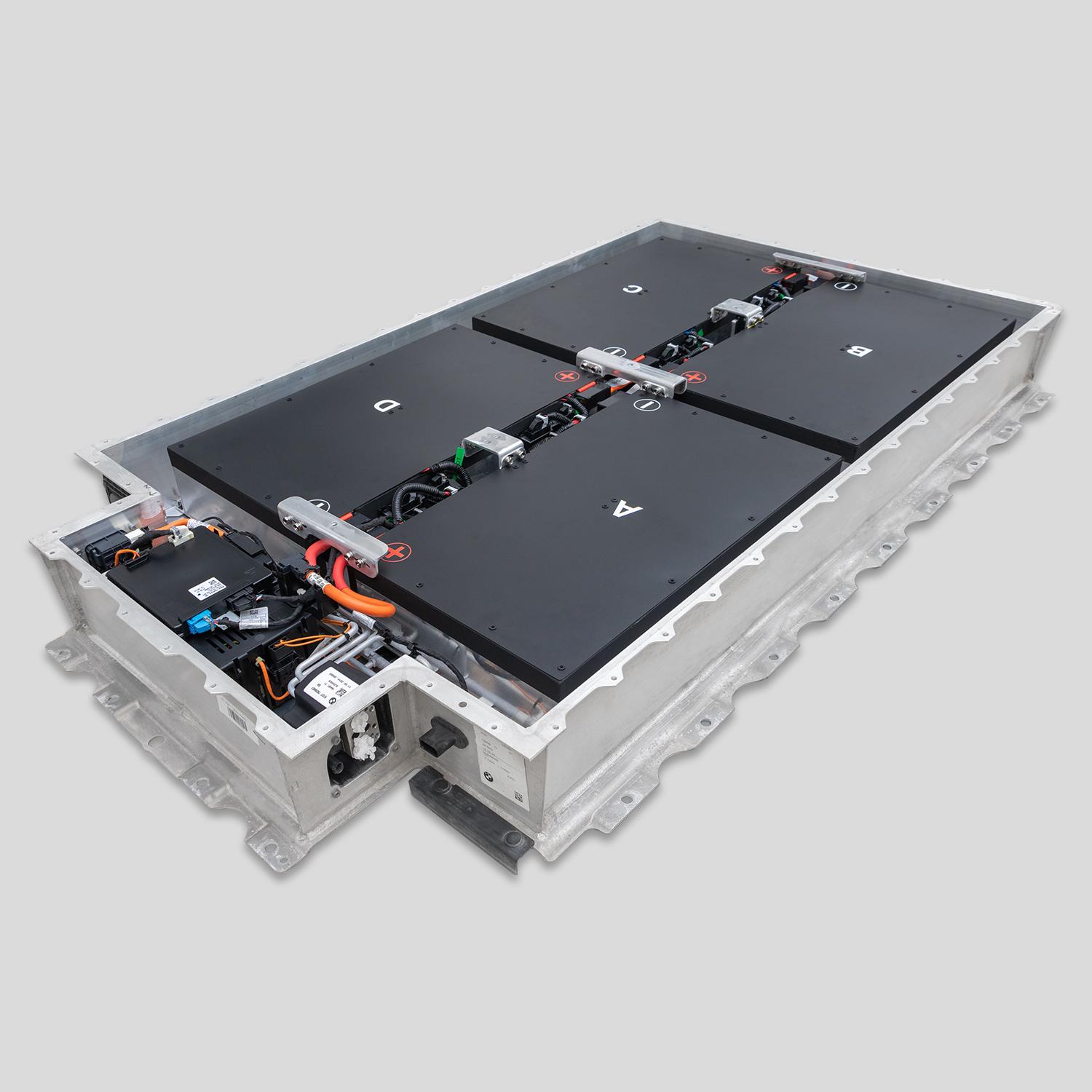
BMW i3 Battery Overheating: Driving Style Impact? – Are You Cooking Your Own Battery?
You are merging onto the highway in your BMW i3, enjoying the instant torque that makes this car so fun. Suddenly, the dashboard flashes a warning: “Charge Power Reduced” or “High Voltage Battery Overheated.” The car feels sluggish, regenerative braking disappears, and your planned fast-charging session is capped at a snail’s pace.
You check the weather. It’s only 75°F (24°C). The cooling fans are screaming, but the air isn’t that hot. You start to wonder: Is it the charger? Is the coolant low? Or is it… me?
Here is the uncomfortable truth many i3 owners ignore: Your driving style might be the primary cause of your battery overheating.
While external temperatures and charging equipment play a role, the way you drive an aging BMW i3 can generate enough internal heat to overwhelm its thermal management system. Aggressive acceleration, constant high-speed cruising, and repeated hard braking force the battery to work harder, generating excess heat that degrades cells faster and triggers safety limits.
How exactly does your foot on the pedal create heat?
Can changing how you drive save your battery, or is the damage already done?
And if your battery is now too sensitive to handle normal driving, is there a permanent solution?
At CNS BATTERY, we have analyzed thermal data from thousands of i3s. We’ve seen how aggressive drivers cook their packs years before gentle drivers do. This guide breaks down the physics of driving-induced heat, explains why “Eco Pro” isn’t just a mode but a survival tactic for old batteries, and reveals why upgrading to a modern high-capacity system is the only way to drive freely again without fear of overheating.
The Physics of Heat: How Driving Creates Thermal Stress
In an electric vehicle, the battery is both the fuel tank and the engine. When you demand power, chemical reactions inside the cells release energy. But this process isn’t 100% efficient; some energy is lost as heat.
The Role of Internal Resistance
The amount of heat generated is determined by your battery’s internal resistance.
- New Battery: Low resistance. Most energy goes to the motor; little is lost as heat.
- Aged/Degraded Battery: High resistance. As cells age, their internal structure changes. Now, a significant portion of the energy you demand is wasted as heat instead of motion.
The Formula: $Heat = Current^2 \times Resistance$.
Notice the “Current squared” part? This means if you double your acceleration (doubling the current), you quadruple the heat generated. In an old i3 with high resistance, aggressive driving doesn’t just use more power; it creates a thermal explosion inside the pack.
The Driving Habits That Cook Your Pack
Certain driving styles are particularly dangerous for aging i3 batteries. If you recognize yourself in these habits, your overheating warnings are likely self-inflicted.
1. “Lead Foot” Acceleration
The i3 is quick, and it’s tempting to launch from every stoplight. But rapid acceleration draws massive currents (100+ Amps) from the battery.
- The Result: A sudden spike in cell temperature. If you do this repeatedly in traffic, the cooling system can’t dissipate the heat fast enough, leading to cumulative overheating.
2. Sustained High-Speed Highway Driving
The i3 was designed primarily for urban use. Its single-speed transmission and aerodynamic profile struggle at speeds above 70 mph (112 km/h).
- The Drag: At high speeds, air resistance increases exponentially. The motor must draw continuous high current to maintain speed.
- The Heat Soak: Unlike short bursts of acceleration, sustained high current keeps the battery in a high-heat state for long periods. On a hot day, this can push an aged pack over the edge within 30 minutes.
3. Ignoring “Eco Pro” Mode
Many owners view Eco Pro mode as a range-extender trick. In reality, for an older i3, it is a thermal protection shield.
- Throttle Mapping: Eco Pro limits the maximum current draw, preventing those dangerous heat spikes.
- Climate Control: It reduces A/C load, helping the cooling system focus on the battery.
- The Risk: Driving permanently in “Comfort” or “Sport” mode on a degraded pack removes these safeguards, allowing you to inadvertently stress the battery beyond its thermal limits.
4. Ride-Share/Stop-and-Go Abuse
If you use your i3 for Uber/Lyft or heavy delivery work, the constant cycle of hard acceleration and hard braking generates immense heat. Regenerative braking also generates heat as energy is forced back into the cells. Without adequate cool-down time between trips, the battery never returns to a safe temperature.
The Vicious Cycle: Heat Breeds More Heat
The most dangerous aspect of driving-induced overheating is the feedback loop it creates.
- Aggressive Driving generates excess heat.
- High Temperatures accelerate chemical degradation inside the cells.
- Degradation increases Internal Resistance.
- Higher Resistance means the next time you drive normally, the battery generates even more heat than before.
The Result: Your battery becomes increasingly sensitive. Eventually, you might get overheating warnings even when driving gently on a mild day. The damage becomes permanent, and your usable range shrinks drastically because the BMS restricts power to prevent a fire.
The Hard Truth: Changing Habits Can’t Fix Dead Cells
Adopting a gentler driving style is excellent for preventing future damage. If you catch it early, switching to Eco Pro and avoiding highway sprints can extend the life of your remaining capacity.
But here is the reality check: If your battery is already triggering overheating warnings during normal driving, changing your style won’t restore lost capacity.
- The chemical degradation has already happened.
- The internal resistance is permanently high.
- You are now forced to drive like a grandmother in a car you bought for fun, and you still might not make it to your destination.
You cannot drive your way out of physical cell death. If your pack is thermally compromised, the only solution is hardware replacement.
The CNS BATTERY Solution: Upgrade to Drive Freely
Why limit your life to “Eco Pro” mode and city streets when you can upgrade to a battery that handles power with ease?
At CNS BATTERY, our BMW i3 Series Battery upgrades replace your heat-prone, high-resistance pack with a modern, robust system designed for performance.
Why Upgrading Eliminates Overheating Risks
- Lower Internal Resistance: Our Grade-A cells have significantly lower resistance than your original 10-year-old cells. They generate far less heat even under hard acceleration or high-speed cruising.
- Superior Thermal Stability: Modern cell chemistry can withstand higher temperatures without degrading, giving your cooling system a much wider safety margin.
- Drive in Comfort/Sport: With a new pack, you don’t need to baby the throttle. You can enjoy the i3’s famous acceleration and highway capability without triggering warnings.
- Double the Range: While solving your heat issues, you upgrade from a failing 60 Ah or 94 Ah pack to a 120 Ah equivalent, giving you 130+ miles of range.
- Cost Efficiency:
- Living in Fear (Eco Pro Only): $0 upfront, but zero fun and limited mobility.
- Dealership OEM Replacement: $18,000–$22,000 USD.
- CNS BATTERY Upgrade: $8,000 – $12,000 USD. You get a brand-new, cool-running battery with double the range for half the dealer price.
Real Story: From “Limp Mode Driver” to “Highway Hero”
Meet Alex, a 2016 i3 owner who used his car for weekend highway trips. Last summer, his car started overheating after just 20 miles at 70 mph. He was forced to drive 55 mph in Eco Pro mode with the A/C off, sweating and stressed. “It wasn’t a car anymore; it was a burden,” Alex says.
Alex contacted CNS BATTERY. We installed a 120 Ah upgrade. “The difference is night and day,” Alex reports. “I drove 100 miles last weekend at 75 mph, merged aggressively, and the battery stayed cool. The fans barely turned on. I have 135 miles of range, and I’m finally driving the car I loved again. The upgrade didn’t just fix the heat; it gave me my freedom back.”
Stop Driving in Fear
Your driving style absolutely impacts your BMW i3’s battery temperature, especially as it ages. But once overheating becomes a frequent occurrence, no amount of gentle driving will fix the underlying hardware failure.
Don’t spend another summer sweating in Eco Pro mode. Upgrade to a system that matches your driving needs and eliminates thermal anxiety forever.
Is your i3 overheating even on mild days?
Stop blaming the weather and start solving the problem. Contact CNS BATTERY today for a professional thermal diagnostic. Discover how our BMW i3 Series Battery upgrades can provide a cool, high-performance power source that lets you drive freely again.
👉 Get Your Thermal Assessment & Upgrade Quote
Frequently Asked Questions (FAQ)
1. Does aggressive driving really cause battery overheating in the BMW i3?
Yes. Aggressive acceleration draws high currents, which generate significant heat due to internal resistance ($Heat = Current^2 \times Resistance$). In older i3s with degraded cells, this heat can quickly overwhelm the cooling system, triggering overheating warnings.
2. Can switching to Eco Pro mode stop my battery from overheating?
Temporarily, yes. Eco Pro limits power output and reduces climate load, lowering heat generation. However, if your battery is severely degraded, it may still overheat even in Eco Pro. Switching modes is a mitigation strategy, not a cure for physical degradation.
3. Why does my i3 overheat on the highway but not in the city?
Highway driving requires sustained high current to overcome air resistance at speed. This creates a continuous heat load that doesn’t allow the battery to cool down between accelerations, unlike stop-and-go city driving where there are frequent coasting periods.
4. Will driving gently restore my lost range caused by overheating?
No. Gentle driving prevents further damage, but it cannot reverse the chemical degradation or increased internal resistance caused by past overheating. Only a battery replacement or upgrade can restore lost capacity.
5. Do CNS BATTERY upgrades handle aggressive driving better?
Absolutely. Our 2026-era Grade-A cells have much lower internal resistance, meaning they generate significantly less heat under load. You can drive in Sport mode, accelerate hard, and cruise at highway speeds without the thermal stress that plagues original aging packs.
6. How much does it cost to upgrade vs. living with overheating issues?
Living with overheating costs you comfort, time, and mobility. A CNS BATTERY upgrade costs $8,000–$12,000 USD, providing a brand-new, thermally stable battery with double the range, making it the most cost-effective long-term solution.
7. Can overheating destroy my battery completely?
Yes. Repeated or severe overheating accelerates cell degradation rapidly. In extreme cases, it can lead to thermal runaway, causing permanent cell failure or even fire. Immediate action is required if you see frequent overheating warnings.