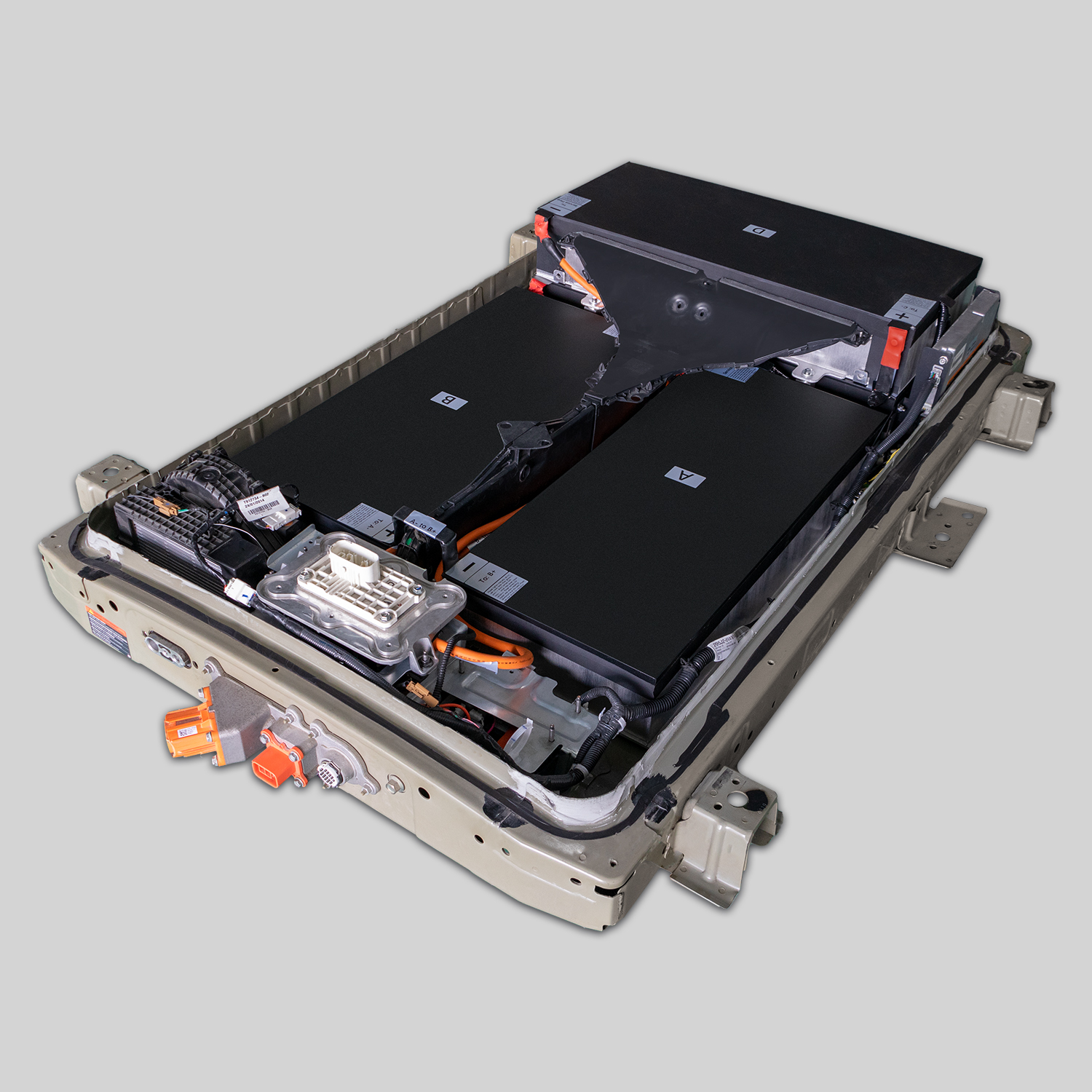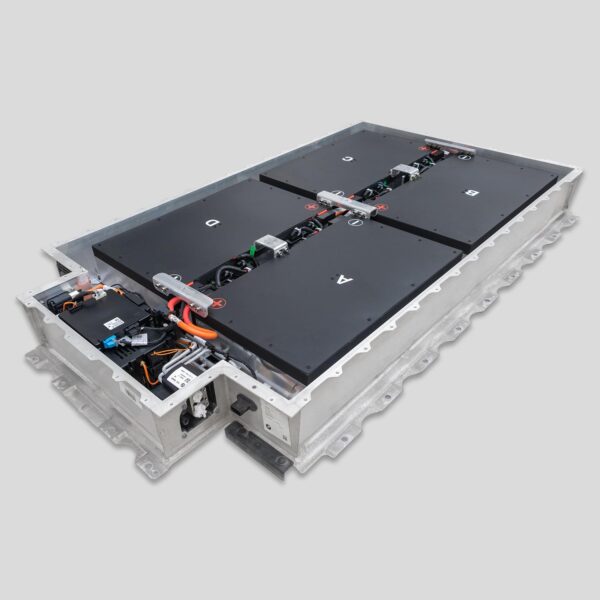
BMW i3 Battery Overheating: Charger Fault? The Dangerous Misdiagnosis
You pull up to a DC Fast Charging station on a hot summer day. You plug in your BMW i3, expecting a quick 30-minute boost. Instead, the screen flashes red: “Charging Malfunction” or “High Voltage Battery Overheated.” The charging speed drops to a crawl, or stops entirely.
Your immediate thought? “This charger is broken.” You unplug, move to the next stall, and try again. Same result. You try a different station down the road. Same error.
Panic sets in. Is every charger in the city faulty? Or is my car lying to me?
Here is the hard truth that most charging networks won’t tell you: The charger is likely fine. The fault lies within your BMW i3.
When an i3 reports overheating during charging, it is rarely because the external charger is pushing too much power. It is almost always because your battery’s internal management system has detected dangerous temperatures or high resistance inside the pack and has commanded the charger to stop. Blaming the charger is a dangerous misdiagnosis that can lead to permanent battery damage, fire risks, or being stranded with a car that refuses to accept energy.
Why does your i3 think it’s overheating when the charger is normal?
Is it a sensor glitch, a cooling failure, or a dying battery?
And if your pack is triggering false (or real) heat warnings, is there a solution that eliminates the problem forever?
At CNS BATTERY, we have analyzed thousands of charging sessions where owners blamed the infrastructure, only to find their battery was the culprit. We know that distinguishing between a charger fault and a battery fault is critical for your safety and your wallet. This guide breaks down the science of charging heat, exposes the real reasons your i3 stops charging, and reveals why upgrading to a modern battery is the only way to restore reliable, fast charging performance.
The Communication Breakdown: Who Is Really in Control?
To understand the error, you must understand the handshake. When you plug into a DC Fast Charger, the car and the charger communicate constantly via the CAN bus.
- The Request: The car tells the charger exactly how much voltage and current it can safely accept based on its internal temperature and State of Charge (SOC).
- The Response: The charger delivers exactly what is requested. It does not “force” power into the car.
The Reality: If your i3 says “Stop, I’m hot,” the charger obeys immediately. If the charger continues to push power against the car’s wishes, that would be a charger fault (and a rare one). In 95% of cases, the charger is simply following the car’s desperate plea to stop before it cooks itself.
The Real Culprits: Why Your i3 Claims Overheating
If the charger isn’t the problem, what is triggering the “Battery Overheating” or “Charge Power Reduced” warnings?
1. Degraded Cells & High Internal Resistance
This is the most common cause in older i3s (2014-2017). As lithium-ion cells age, their internal resistance increases.
- The Physics: When current flows through high resistance, heat is generated ($Heat = Current^2 \times Resistance$).
- The Result: Even at standard charging speeds (50 kW), your old cells generate significantly more heat than new ones. The BMS detects this rapid temperature rise and throttles the charge to prevent thermal runaway. To you, it looks like the charger failed; in reality, your battery can no longer handle the load.
2. Failing Cooling System
The i3 relies on a liquid cooling loop and electric fans to dissipate heat.
- The Failure: If your coolant is old/sludgy, the water pump is weak, or the radiator is clogged with debris, heat cannot escape.
- The Symptom: The battery temperature spikes within minutes of charging, triggering an immediate shutdown. The charger is ready to go, but your car has no way to cool down.
3. Faulty Temperature Sensors
Sometimes, the battery is fine, but the “thermometer” is broken.
- The Glitch: A failing sensor might report 60°C (140°F) when the actual temperature is 30°C (86°F).
- The Reaction: The BMS trusts the sensor and cuts power to protect a battery that isn’t actually hot. This is a “false positive” overheating fault.
4. Cell Imbalance
If one module in your pack is significantly weaker than the others, it will heat up faster than the rest during charging. The BMS sees this localized hot spot and shuts down the entire pack to protect that single weak link.
The Danger of Ignoring the Warning
Many owners try to “trick” the system by waiting for the car to cool down and then restarting the charge. Or they switch to slow Level 2 charging exclusively.
This is risky.
- Hidden Damage: If the overheating is real (due to degradation), continuing to charge even at reduced speeds accelerates cell death. You are slowly cooking the remaining capacity.
- Stranding Risk: Eventually, the battery may become so resistant that it cannot accept any charge, even on Level 2, leaving you stranded.
- Fire Hazard: Ignoring thermal warnings on a compromised lithium-ion pack increases the risk of thermal runaway, especially in hot weather.
The CNS BATTERY Solution: Upgrade to Cool, Fast Charging
If your BMW i3 is consistently throwing overheating faults at chargers, your battery is telling you it can no longer handle the stress of modern charging speeds. No amount of waiting or “charger hopping” will fix the underlying chemical or mechanical failure.
At CNS BATTERY, we solve this by replacing your heat-prone, high-resistance pack with a modern, thermally efficient 120 Ah upgrade.
Why Upgrading Eliminates Charging Faults
- Low Internal Resistance: Our Grade-A cells generate minimal heat even at peak charging speeds. They can accept 50 kW+ without triggering thermal throttling.
- Superior Thermal Stability: Modern cell chemistry withstands higher temperatures without degrading, giving your cooling system a wider safety margin.
- Perfect Sensor Calibration: Our upgrades come with new, accurate temperature sensors. No more false positives shutting down your charge session.
- Restored Fast Charging: With a new pack, you regain the ability to charge from 0-80% in ~30 minutes, just like a new EV.
- Cost Efficiency:
- Diagnostic + Cooling Repairs: $1,000–$2,000 (might not fix degraded cells).
- Dealership OEM Replacement: $20,000+.
- CNS BATTERY Upgrade: $8,000 – $12,000 USD. You get a brand-new, cool-running battery with double the range for half the dealer price.
Real Story: From “Charger Blame” to “Charging Champion”
Meet Sarah, a 2015 i3 owner. She spent months complaining about “broken chargers” across her city. Her car would stop charging at 40% every time, citing overheating. She tried ten different stations; all failed. A specialist finally scanned her battery and found two modules with critically high resistance. The chargers were fine; her battery was cooking itself.
Sarah contacted CNS BATTERY. We installed a 120 Ah upgrade. “The difference is night and day,” Sarah says. “I went back to the same charging station that ‘failed’ me ten times. I charged from 10% to 80% in 28 minutes. No errors, no heat warnings, no throttling. The chargers weren’t broken; my battery was. Now I can road trip again with total confidence.”
Stop Blaming the Infrastructure
The next time your BMW i3 displays an overheating fault at a charger, don’t assume the station is broken. Look inward. Your battery is likely signaling that it has reached its thermal limit.
Ignoring this warning risks permanent damage. Upgrading solves it permanently.
Is your i3 rejecting charges due to heat?
Stop blaming the chargers. Contact CNS BATTERY today for a professional thermal and charging diagnostic. We’ll pinpoint whether it’s a sensor, a cooling issue, or cell degradation, and show you how our BMW i3 Series Battery upgrades can restore fast, safe, and reliable charging.
👉 Get Your Charging Diagnostic & Upgrade Quote
Frequently Asked Questions (FAQ)
1. Why does my BMW i3 say “Battery Overheated” at the charger?
In most cases, the charger is working correctly. Your i3’s Battery Management System (BMS) has detected high internal temperatures or high resistance within the battery pack and has instructed the charger to stop or reduce power to prevent damage.
2. Can a bad charger cause my i3 to overheat?
It is rare. Modern DC chargers communicate with the car and only deliver what is requested. If your i3 asks for less power due to heat, the charger complies. True charger faults (pushing excess voltage) are extremely uncommon and usually trigger different error codes.
3. Will waiting for the battery to cool down fix the problem?
Temporarily, yes. You might be able to restart charging after a cooldown period. However, if the root cause is cell degradation or a failing cooling system, the overheating will recur every time you try to fast charge, eventually making fast charging impossible.
4. Can I just use Level 2 (slow) charging instead?
You can, but it limits your mobility. More importantly, if your battery is degrading, slow charging only delays the inevitable. The underlying high resistance will continue to worsen, eventually affecting driving performance and total capacity.
5. How do I know if it’s a sensor error or real heat?
A professional diagnostic scan is required. Technicians can compare readings from multiple temperature sensors and check cell resistance data. If one sensor reads drastically different from others, it may be faulty. If all cells show high resistance, the battery is physically degraded.
6. Will a CNS BATTERY upgrade fix my charging issues?
Absolutely. Our 120 Ah upgrades use modern cells with low internal resistance that generate minimal heat. They restore your ability to DC Fast Charge efficiently without throttling or overheating warnings.
7. How much does it cost to fix charging overheating?
- Sensor/Cooling Repair: $500–$2,000 (may not fix degraded cells).
- Dealership Battery Replacement: $20,000+.
- CNS BATTERY Upgrade: $8,000–$12,000 USD. This provides a brand-new, thermally stable battery with double the range and a comprehensive warranty.