BMW i3 Battery Overcharging: Causes and Prevention—What Your Charger Isn’t Telling You
“I Left My i3 Plugged In Overnight—Just Like Always. The Next Morning, It Wouldn’t Start. The BMS Had Shut Down to Prevent Catastrophic Overcharge. Here’s What Went Wrong.”
You trust your BMW i3’s charging system. After all, it’s engineered by one of the world’s most respected automakers. So when you plug in at night, you assume the car—and its battery—are safe.
But what if a hidden flaw in an aging pack or a faulty component silently overrides those safeguards?
Overcharging isn’t just about “too much electricity.” It’s a thermal runaway trigger that can permanently damage cells, melt wiring, or—in extreme cases—cause fire. And while modern EVs have multiple layers of protection, degraded batteries dramatically increase the risk.
In this guide, you’ll uncover:
- The real causes of overcharging in i3s (hint: it’s rarely the charger)
- How cell imbalance and BMS drift create dangerous voltage spikes
- Why used or rebuilt packs are especially vulnerable
- And how CNS BATTERY’s new-cell design with precision BMS control prevents overcharge before it starts
Because peace of mind shouldn’t depend on luck—it should be built into your battery.
What Is Overcharging—And Why It’s Dangerous in Lithium-Ion Packs
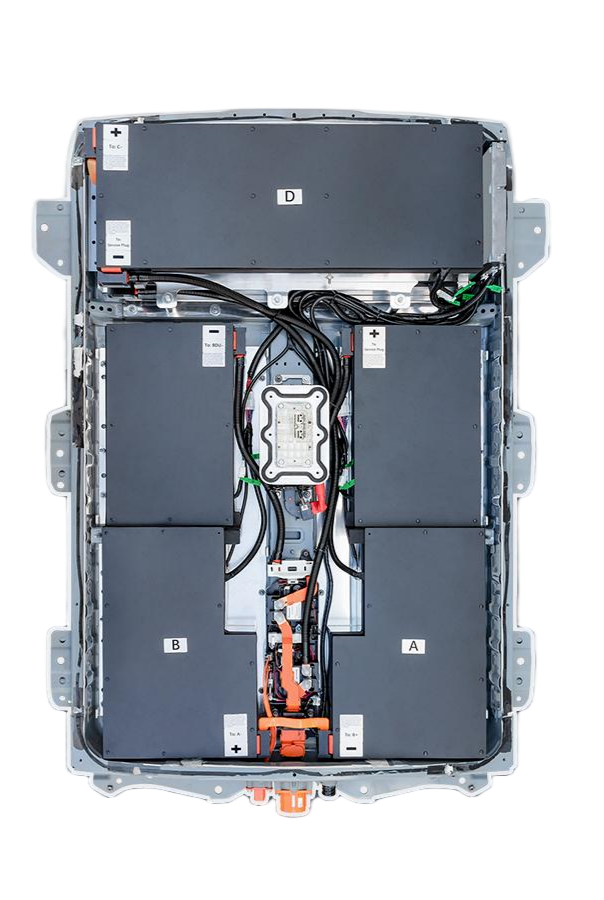
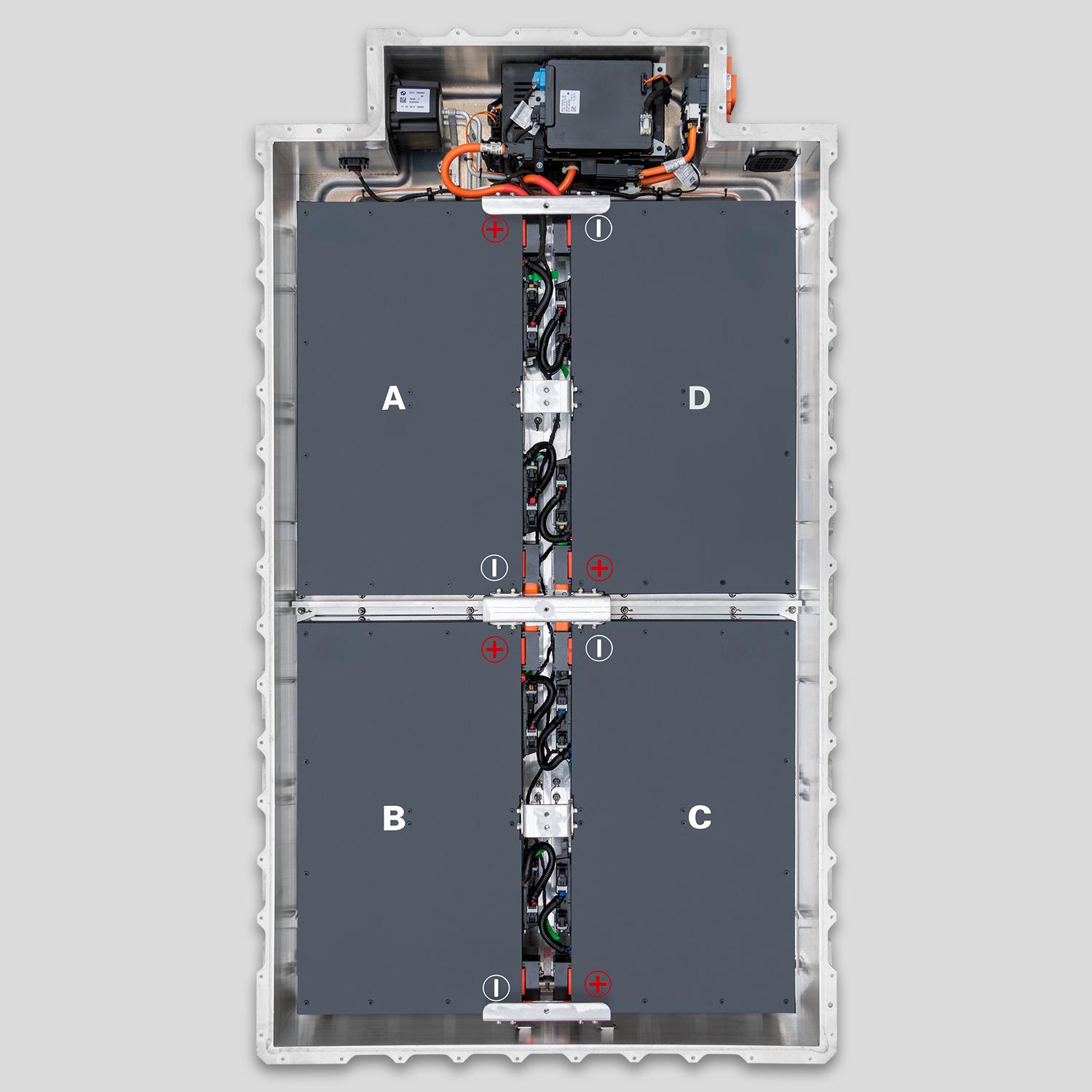
Overcharging occurs when cells are forced beyond their safe upper voltage limit (typically 4.20V per cell for NMC chemistry). In the i3’s 96-cell pack (8 modules × 12 cells), that means exceeding ~403 volts total.
When this happens:
- Electrolyte breaks down → gas generation → cell swelling
- Heat builds rapidly → thermal runaway (chain reaction)
- Copper shunts form → internal shorts → permanent capacity loss
The i3’s BMS is designed to prevent this by:
- Cutting off charge at 100% SoC
- Balancing cells during top-off
- Monitoring individual module voltages
But these systems only work if the BMS and cells are healthy.
🔋 Top 4 Causes of Overcharging in BMW i3s
❌ 1. Degraded or Imbalanced Cells
As cells age, their internal resistance increases unevenly. During charging:
- Weaker cells hit 4.2V faster
- Stronger cells keep accepting current
- BMS may misread average voltage → overcharge weak cells
📉 Real-world impact: A pack with 70% SoH can develop >0.5V imbalance between modules—enough to push some cells into danger zones.
❌ 2. Failing BMS Voltage Sensors
The BMS relies on precision resistors and ADCs to measure cell voltage. If these drift due to:
- Moisture corrosion
- Thermal stress
- Component aging
…they may under-report actual voltage, allowing overcharge.
❌ 3. Aftermarket or Rebuilt Packs with Poor BMS Calibration
Many third-party packs use:
- Recycled cells with unknown history
- Generic BMS units not tuned for i3 communication
- No active balancing during charge
Result? No true voltage cutoff—just a timer-based guess.
❌ 4. Faulty Contactor or Relay Sticking Closed
If the main positive contactor fails to open after charging completes, residual current (e.g., from solar or grid fluctuations) can slowly overcharge the pack—even when “off.”
⚠️ Warning sign: Battery gets warm when parked and unplugged.
How to Detect Early Signs of Overcharge Risk
Don’t wait for a shutdown. Watch for:
- Sudden drop in max range (even after full charge)
- “Check Hybrid System” warning after charging
- Swollen battery cover or bulging floor pan
- Burning smell near rear seat or undercarriage
- Charging stops at 80–90% consistently (BMS limiting to protect cells)
Use BimmerLink or Carly to monitor:
- Max cell voltage per module (should never exceed 4.18V at rest)
- Voltage difference between modules (>0.3V = concern)
Prevention Starts with a Healthy, Well-Designed Pack
You can’t fully control external factors—but you can ensure your battery has robust, factory-grade protection.
CNS BATTERY packs are engineered to eliminate overcharge risk:
- Brand-new CATL NMC cells—all matched for capacity, resistance, and voltage curve
- Active cell balancing during every charge cycle (not just at 100%)
- Precision BMS with ±5mV voltage accuracy—far tighter than aging OEM units
- Dual-stage overvoltage protection: software cutoff + hardware fuse
- Thermal sensors on every module to detect abnormal heating in real time
“My previous rebuilt pack threw overvoltage faults twice in winter. Since switching to CNS, I’ve charged daily for 14 months—zero warnings, perfect balance.”
— Javier R., Montreal
Best Practices to Minimize Overcharge Risk (Even with a Good Pack)
- Avoid daily 100% charges—use 80–90% for routine driving
- Enable “Reduced Charging Current” in settings if available
- Keep firmware updated—BMW occasionally improves BMS logic via OTA
- Never use non-certified Level 1/2 chargers—cheap units may lack proper signaling
- Inspect your pack annually for signs of swelling or coolant leaks
💡 Pro tip: If storing long-term, keep SoC at 50% and unplug—continuous trickle charging stresses cells.
Frequently Asked Questions: i3 Overcharging
Q: Can Level 1 (120V) charging cause overcharge?
A: No—if the BMS is functional. But slow charging increases time in high-voltage states, accelerating wear.
Q: Does DC fast charging increase overcharge risk?
A: Only if the BMS is compromised. Healthy packs safely regulate fast charge up to 80%.
Q: Will a CNS pack prevent overcharge even if my car’s software is outdated?
A: Yes—our BMS includes hardware-level overvoltage cutoffs independent of vehicle software.
Q: How often do OEM i3 packs actually overcharge?
A: Rarely when new—but risk rises sharply after 70,000 km or 6 years, especially in hot climates.
Q: Can I test my pack for overcharge vulnerability?
A: Only indirectly—via module voltage balance checks using professional diagnostic tools.
Safety Isn’t Optional—It’s Built In
Overcharging isn’t a theoretical risk. It’s a documented failure mode in aging EV batteries. But with the right pack—one designed with precision engineering, new cells, and redundant safeguards—you can drive and charge with confidence, day after day.
Ready to Replace Uncertainty with Engineered Safety?
Choose a CNS BATTERY BMW i3 pack: where overcharge prevention isn’t an afterthought—it’s core to the design.
Click below to request your free safety assessment and replacement quote:
👉 https://cnsbattery.com/ev-battery-home/ev-battery-contact/