
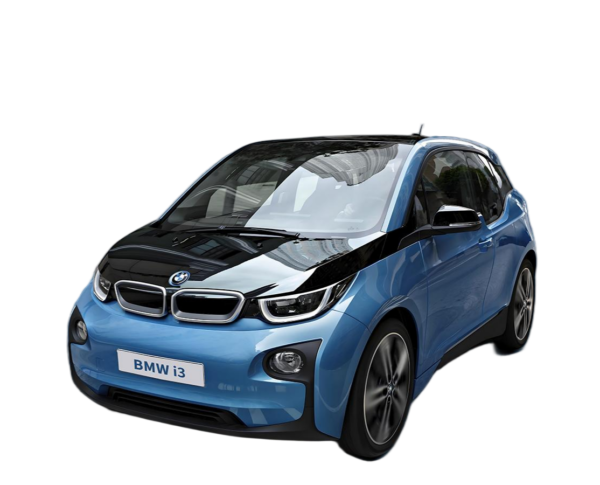
BMW i3 Battery Myths: The Sustainability Reality Check
Is replacing your BMW i3 battery truly “wasteful”?
If you own a BMW i3 and are considering a battery upgrade, you might have hesitated. A nagging voice—perhaps from a forum, a mechanic, or even your own thoughts—might be whispering that replacing the battery is bad for the planet. It’s a common narrative: “The manufacturing emissions are too high,” or “You should just drive it until it dies to be green.”
As an industry expert, I’m here to dismantle these misconceptions. Replacing your BMW i3 battery isn’t the end of its eco-friendly journey; it’s a critical extension of it. In fact, keeping your BMW i3 on the road with a new, high-performance pack is often the most sustainable choice you can make for the environment.
Let’s separate the facts from the fiction and explore why a battery replacement is a win for both your driving experience and the planet.
🌍 Myth #1: “The Carbon Debt is Too High to Ever Offset”
The Myth: The argument goes that the energy required to mine lithium, manufacture cells, and assemble a battery pack creates an insurmountable “carbon debt.” Therefore, replacing a battery negates any environmental benefit of driving electric.
The Reality: Longevity is the Ultimate Green Metric.
While it’s true that battery manufacturing has an environmental cost, the math changes dramatically when you consider lifespan.
- Vehicle Production is the Heavy Hitter: Studies consistently show that the majority of a car’s lifetime CO2 emissions come from its production, not its operation. By replacing the battery and keeping your existing BMW i3 chassis, motor, and interior on the road for another 100,000+ miles, you avoid the massive carbon cost of scrapping the car and building a brand new one (or buying a new EV).
- The “Second Life” Advantage: Modern replacement batteries, like those engineered by CNS BATTERY, are built for longevity. Our packs use brand-new, premium cells (such as CATL) designed to outlast the original factory specifications. By upgrading, you aren’t just replacing a part; you are effectively giving your car a second life, doubling or tripling its usable lifespan and drastically reducing its overall lifetime emissions per mile.
🔋 Myth #2: “Refurbished is Always the Most Sustainable Option”
The Myth: “Just patch up the old one.” It seems logical: repairing uses fewer raw materials, so it must be better for the environment.
The Reality: Efficiency and Performance Matter.
While refurbishing sounds eco-friendly in theory, the reality of second-hand or refurbished EV batteries is often problematic.
- The Efficiency Trap: Old, degraded battery cells suffer from internal resistance. This means they generate more heat and waste more energy during charging and discharging. A car with a degraded battery is actually less efficient (mpkWh) than one with a healthy pack.
- The Failure Rate: Refurbished packs made from recycled cells often have a much higher failure rate. If a refurbished battery fails after 1-2 years, the environmental cost of that failed repair (transportation, labor, and disposal) is wasted. A high-quality new replacement, backed by a strong warranty (such as our 2-year/80,000km coverage), ensures long-term reliability and avoids the carbon footprint of repeat failures.
Sustainable Choice: A durable, new replacement battery ensures your car runs at peak efficiency for years, making it greener than a constant cycle of failing repairs.
🚫 Myth #3: “Driving on a Degraded Battery is ‘Low Impact'”
The Myth: “I’m being eco-conscious by not replacing the battery and just dealing with the reduced range.”
The Reality: Degradation Forces Unnecessary Driving.
This is perhaps the most counterintuitive myth. Driving on a severely degraded battery often leads to more environmental harm, not less.
- The Range Anxiety Loop: When your range drops from 100 miles to 40 miles, you are forced to charge more frequently. This often means “topping off” at public DC fast chargers multiple times a day.
- Fast Charging is Dirty: DC fast chargers are significantly less efficient than Level 1 or Level 2 charging. They waste more energy as heat and place a heavier load on the grid. Furthermore, if your degraded battery forces you to buy a second gasoline car for long trips, your overall carbon footprint skyrockets.
- The Solution: Installing a high-capacity replacement battery (like the 45kWh or 62kWh options we offer) restores your ability to do “slow, efficient charging” at home and eliminates the need for a second car. You drive further on cleaner energy.
🌱 The CNS BATTERY Sustainability Standard
At CNS BATTERY, we don’t just sell batteries; we engineer sustainability. We specialize in providing Original Equipment Manufacturer (OEM) compatible solutions for premium brands like BMW and Nissan. Our commitment to the environment is built into our process:
- Premium New Cells: We utilize brand-new cells from the world’s largest manufacturers (like CATL). This ensures maximum energy density and longevity, meaning your battery will last longer and perform better than the original.
- Zero Defect Philosophy: Our “Zero-Fault” performance standard means we build batteries to last. Fewer replacements mean fewer resources consumed over time.
- Global Compliance: We handle international shipping (DDP service) and ensure compliance with strict regulations (IATA, ADR), guaranteeing that your battery arrives safely and legally, minimizing the risk of hazardous waste incidents during transport.
By choosing a CNS replacement, you are not just fixing your car—you are preventing a perfectly good vehicle from becoming landfill.
💡 Making the Green Switch
Replacing your BMW i3 battery isn’t just about restoring range; it’s about making a powerful environmental statement. You are choosing to repair, reuse, and extend the life of a complex machine rather than contributing to the churn of consumer waste.
If you are ready to make the most sustainable choice for your BMW i3, our team of technical experts is here to help. We offer personalized consultations to ensure you get the perfect pack for your needs, backed by industry-leading warranties and support.
Don’t let myths keep your car off the road. Let’s put your mind at ease and keep your EV journey sustainable.
❓ Frequently Asked Questions
Q: How does a new battery compare to the original BMW i3 battery in terms of lifespan?
A: Our replacement batteries are engineered to exceed OEM standards. While original batteries degrade over time, our packs utilize brand-new, high-grade cells (such as CATL) designed for superior durability and energy efficiency. We back this confidence with a warranty of up to 2 years or 80,000 km, ensuring your investment lasts significantly longer than a degraded original pack.
Q: Is the installation process complicated, and will it affect the car’s electronics?
A: Not at all. Installing a CNS battery typically takes 1-2 hours. We provide comprehensive support, including step-by-step video tutorials and remote video guidance from our engineers. The process is designed to be plug-and-play, ensuring perfect compatibility with your BMW i3’s BMS (Battery Management System) without affecting the original electronics.
Q: What payment and shipping options are available internationally?
A: We support international sales to over 50 countries. We offer DDP (Delivered Duty Paid) service, handling all customs and duties. For payment, we provide secure options to lower the barrier to entry. Contact our customer service to confirm the best method for your region.
Q: Can I get a battery for a specific BMW i3 model year?
A: Yes. We support a wide range of BMW i3 models (including various kWh variants). To ensure perfect compatibility, simply provide your vehicle’s year, model number, and VIN code to our customer service team for instant confirmation.
Ready to upgrade your BMW i3 with a sustainable, high-performance solution? Contact our technical experts now for a free, personalized quote.


