BMW i3 Battery Mount Rubber: Replace It Before It Breaks Your Pack
You are driving your BMW i3 over a familiar speed bump, and suddenly you hear it: a loud, metallic CLUNK from beneath the rear seat. Or perhaps you notice a constant, low-frequency vibration humming through the floorboard that wasn’t there before.
Your first thought might be, “It’s just a suspension issue.” But for i3 owners, this sound is often a warning siren from a much more critical component: the battery mount rubber.
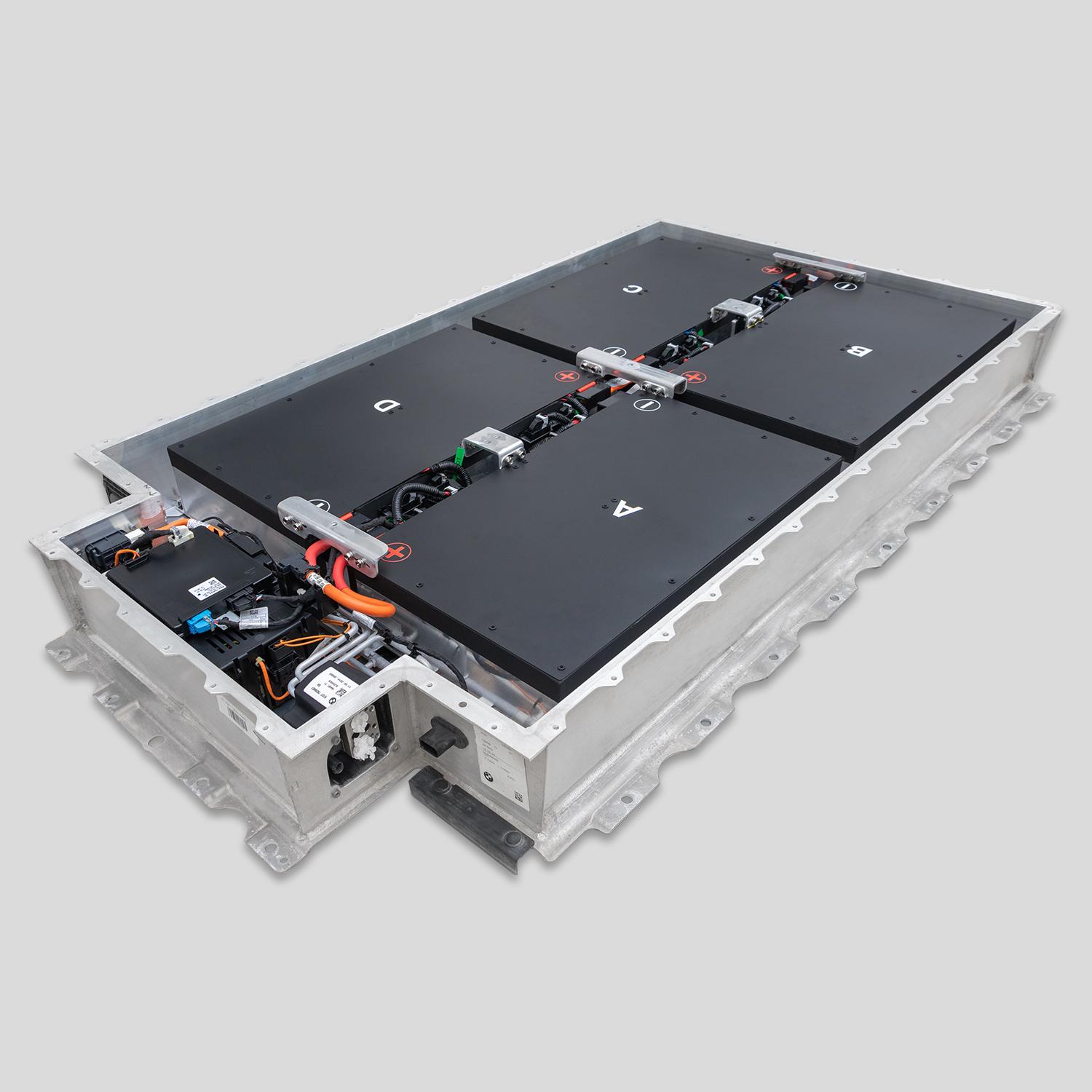
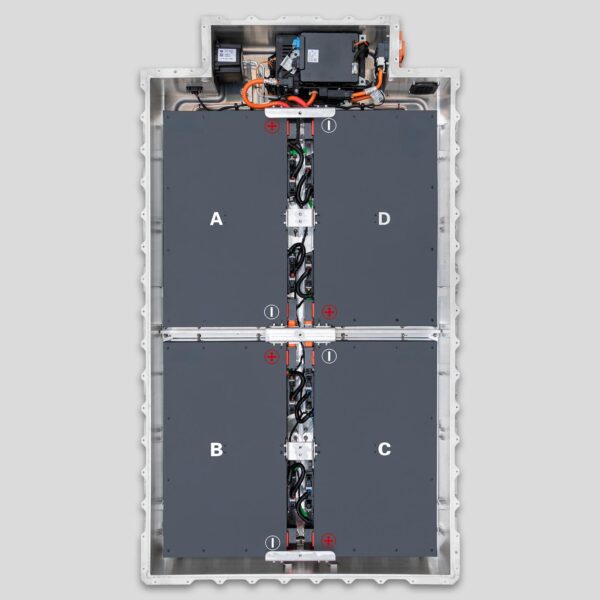
These small, unassuming rubber pucks are the only things standing between your $20,000 high-voltage battery pack and the metal chassis of your car. They absorb road shock, dampen vibration, and prevent the heavy battery from shifting. When they crack, crumble, or collapse due to age, the consequences aren’t just noise—they are catastrophic structural failure, severed high-voltage cables, and potential battery casing breaches.
At CNS BATTERY, we have seen too many “minor” clunks turn into major disasters. We know that replacing these mounts is a critical maintenance task that most owners ignore until it’s too late. This guide explains why your BMW i3 battery mount rubber needs immediate attention, the hidden dangers of driving with worn mounts, and why this repair is the perfect opportunity to inspect—and potentially upgrade—your aging battery system.
The Silent Guardian: What Do Battery Mounts Actually Do?
The BMW i3 battery pack weighs approximately 500 lbs (230 kg). It is suspended underneath the vehicle, directly exposed to road debris, salt, and impact. The mount rubber (also known as battery isolation mounts or dampers) serves three vital functions:
- Shock Absorption: They cushion the battery from potholes, speed bumps, and curbs. Without them, every impact transfers directly to the battery casing and internal cell connections.
- Vibration Damping: They isolate the high-frequency vibrations of the road. Constant vibration can loosen high-voltage connectors, fatigue busbars, and cause internal cell damage over time.
- Structural Stability: They hold the pack securely in place. If the rubber fails completely, the battery can shift during hard braking or cornering, potentially tearing coolant lines or crushing wiring harnesses.
The Aging Crisis: Why Rubber Fails Faster Than You Think
Rubber is an organic material. It degrades over time due to heat cycles, ozone exposure, road salt, and constant compression. For a 2014-2017 BMW i3, your original mounts are now 7-10 years old.
Signs Your Mount Rubber Is Failing
- The “Clunk”: A distinct metallic thud when going over bumps or accelerating/decelerating. This means the rubber has collapsed, allowing metal-to-metal contact.
- Excessive Vibration: A new humming or shaking sensation in the cabin, especially at low speeds.
- Visible Damage: If you lift the car, you may see the rubber is cracked, split, missing chunks, or completely flattened (compressed beyond recovery).
- Battery Movement: In severe cases, you can physically see the battery pack shift when pushing against it by hand.
The Hidden Danger: It’s Not Just Noise
Ignoring a worn battery mount rubber is a gamble with your most expensive component. Here is what happens when you delay replacement:
1. Internal Cell Damage
When the mounts fail, road shocks transfer directly to the battery modules. Inside the pack, cells are connected by thin tabs and busbars. Repeated hammering can fracture these connections, leading to cell imbalance, increased internal resistance, and sudden capacity loss. You might think your battery is “dying of old age,” when in reality, it’s being beaten to death by a $50 part you didn’t replace.
2. Coolant Line Rupture
The battery cooling lines are rigid plastic and rubber hoses connected to the pack. If the battery shifts due to failed mounts, it can pull on these lines, causing cracks or complete separation. A coolant leak leads to overheating and potential thermal runaway.
3. High-Voltage Cable Chafing
A shifting battery can rub against the chassis or suspension components, wearing through the orange high-voltage cable insulation. This creates an isolation fault (shutting down the car) or, in the worst case, an electrical fire.
4. Casing Breach
In extreme impacts (like a deep pothole), a battery with failed mounts can bottom out hard enough to crack its own aluminum casing, exposing the internals to water and dirt.
The Fix: Replacement & The Perfect Opportunity to Upgrade
Replacing the BMW i3 battery mount rubber is a relatively inexpensive repair, typically costing $300–$600 USD for parts and labor. It involves lifting the car, supporting the battery pack with a specialized lift, removing the old crumbling rubber, and installing fresh OEM-spec mounts.
However, here is the strategic insight most shops miss: To replace the mounts, the battery pack must be lowered anyway.
If your i3 is already 7+ years old and showing signs of range degradation, paying to lower the pack just for new rubber is a missed opportunity. Once the pack is down, you have full access to the underside, the cooling lines, and the connectors.
The CNS BATTERY Strategy: Kill Two Birds With One Stone
At CNS BATTERY, we recommend combining mount replacement with a battery health assessment—or better yet, a full capacity upgrade.
Why Upgrade While Replacing Mounts?
- Zero Additional Labor Cost: Since the battery is already being removed/replaced, the labor to swap in a new 120 Ah upgrade is nearly identical to just swapping the mounts. You save hundreds in double-handling fees.
- Fresh Components: Our upgrade includes a brand-new battery with pristine casing, new seals, and perfectly secure internal connections. You eliminate the risk of internal damage from old mounts forever.
- Double the Range: While you are fixing the clunk, you can transform your car from a 60 Ah city runabout (now degraded to ~40 miles) into a 120 Ah long-range cruiser (130+ miles).
- Cost Efficiency:
- Option A: Pay $500 for mounts + $0 range gain + risk of old battery failing soon.
- Option B: Pay $8,000–$12,000 USD for a complete upgrade (includes new mounts, new battery, new seals). You get double the range and a like-new drivetrain for half the cost of a dealership OEM replacement.
Real Story: From “Rattle Trap” to “Silent Cruiser”
Meet Sarah, a 2015 i3 owner. Her car developed a loud clunk over bumps. Her mechanic quoted $450 to replace the battery mount rubber. Sarah agreed, but while the car was on the lift, the mechanic noticed her battery SOH was only 62% and recommended she consider an upgrade since the pack was already accessible.
Sarah contacted CNS BATTERY. We explained that for a bit more investment, she could solve the noise and her range anxiety simultaneously. She opted for our 120 Ah upgrade. “The clunk is gone, obviously,” Sarah says, “but the real magic is the silence of the new battery and the 135 miles of range. I fixed the rubber, but I also fixed my car’s future. Doing both at once saved me so much hassle.”
Don’t Let a $50 Part Destroy Your $20,000 Battery
BMW i3 battery mount rubber is a small component with a massive responsibility. If you hear clunks or feel vibrations, do not ignore them. Replace the mounts immediately to protect your investment.
But if your battery is already aging, don’t just patch the suspension. Use this maintenance moment to revolutionize your vehicle. Upgrade to a system that is safer, quieter, and infinitely more capable.
Hearing clunks from your BMW i3?
Don’t wait for catastrophic damage. Contact CNS BATTERY today for a suspension and battery inspection. Ask us about our “Mount & Upgrade” special, where we replace your worn mounts and install a high-capacity 120 Ah battery in one efficient service visit.
👉 Schedule Your Inspection & Upgrade Consult
Frequently Asked Questions (FAQ)
1. What are the symptoms of bad BMW i3 battery mount rubber?
The most common symptoms are a loud metallic clunk when going over bumps, excessive vibration in the cabin, and visible cracking or flattening of the rubber pucks when inspected from underneath the vehicle.
2. Can I drive my i3 with broken battery mounts?
No, not safely. Driving with failed mounts exposes your battery pack to direct road shock, which can damage internal cells, sever coolant lines, or chafe high-voltage cables. It risks permanent battery failure and safety hazards. Have them replaced immediately.
3. How much does it cost to replace battery mount rubber?
Professional replacement typically costs between $300 and $600 USD, depending on labor rates. This includes new OEM-spec rubber mounts and the labor to support and lower the battery pack.
4. How often should battery mounts be replaced?
There is no fixed schedule, but rubber degrades significantly after 7-10 years. If your i3 is a 2014-2017 model, proactive inspection and replacement are highly recommended, even if symptoms are mild.
5. Can I replace the mounts and upgrade my battery at the same time?
Yes, and it’s highly recommended. Since the battery must be lowered to replace the mounts, it is the perfect time to swap in a CNS BATTERY 120 Ah upgrade. You save on labor duplication and instantly double your range while ensuring your new battery sits on fresh, protective mounts.
6. Will new mounts improve my ride quality?
Absolutely. Fresh rubber restores the factory isolation, eliminating clunks and reducing road vibration transmitted into the cabin. It makes the car feel tighter and more refined.
7. Does CNS BATTERY include new mounts with their upgrades?
Yes. As part of our comprehensive BMW i3 Series Battery installation, we inspect all mounting points. If your original mounts are worn (which they likely are), we replace them with new ones to ensure your upgraded battery is installed in a pristine, protected environment.