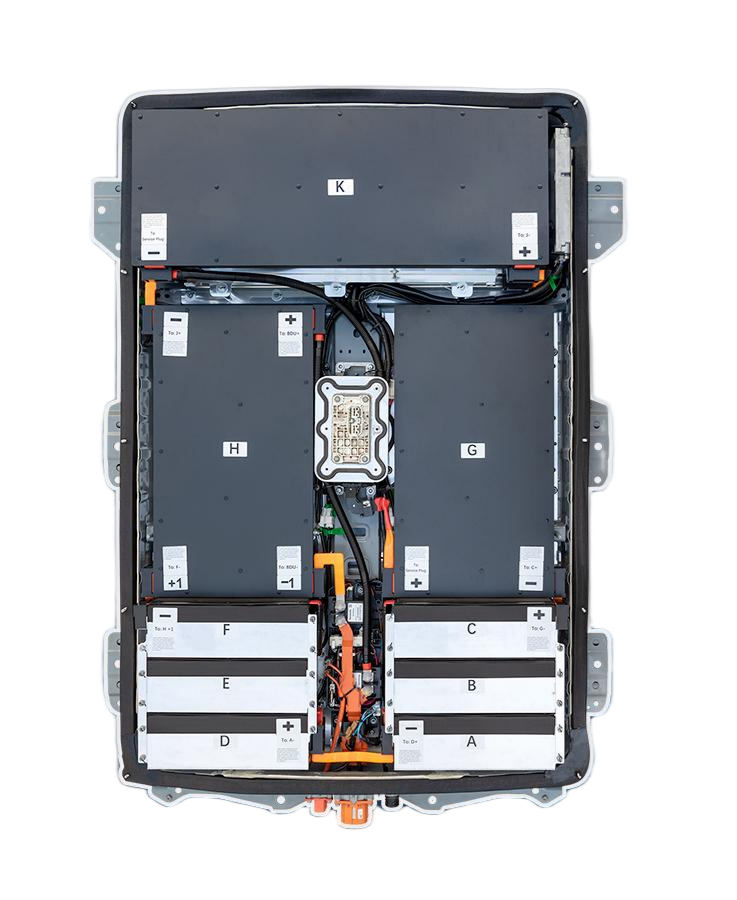
BMW i3 Battery Mount Loose: How to Tighten Safely (And When It’s Too Late)
You are driving your BMW i3 over a speed bump, and instead of the usual solid thud, you hear a disturbing clunk or rattle coming from beneath the floor. Your heart skips a beat. That sound isn’t just annoying; it’s the sound of your car’s most expensive and dangerous component shifting out of place.
A loose BMW i3 battery mount is a critical safety issue. The high-voltage battery pack weighs over 500 pounds and hangs directly under the chassis. If the mounting bolts have worked loose due to vibration, corrosion, or impact, the structural integrity of your vehicle is compromised. A shifting battery can tear high-voltage cables, rupture cooling lines, or in a worst-case scenario, detach partially during a collision.
Your first instinct might be to grab a wrench and tighten it yourself. How hard can it be?
Stop. Before you crawl under your car, you need to understand the lethal risks involved with high-voltage components and why a “simple tighten” might actually be a band-aid on a much deeper problem. At CNS BATTERY, we specialize in the structural and chemical health of the i3 powertrain. This guide explains the dangers of loose mounts, the correct (safe) procedure for inspection, and why this specific repair often signals the perfect time for a transformative battery upgrade.
The Hidden Dangers: Why You Can’t Just “Tighten It”
On a gasoline car, tightening a loose part is routine. On an electric vehicle, a loose battery mount introduces unique hazards that DIYers often underestimate.
1. High-Voltage Cable Stress
The battery pack is connected to the rest of the car by thick, orange high-voltage cables. These cables have very little slack. If the battery shifts even an inch due to loose mounts, it can put immense tension on these connectors.
- The Risk: A shifted pack can pull a connector loose, causing an immediate loss of power or, worse, an arc flash that can cause severe burns or fire.
2. Cooling Line Rupture
Most modern i3 models (94 Ah and 120 Ah) use liquid cooling. The coolant lines run directly from the chassis into the battery pack.
- The Risk: A shifting battery can kink, stretch, or snap these lines. A coolant leak onto high-voltage components causes an isolation fault, shutting down the car instantly and potentially leading to permanent battery damage.
3. Corrosion and Stripped Threads
Why did the mount come loose in the first place? Often, it’s because the original bolts have corroded or the threads in the aluminum battery casing have stripped.
- The Trap: If you try to force a rusted bolt tighter, it may snap off inside the casing. Extracting a broken bolt from a high-voltage battery housing requires specialized tools and expertise. If you damage the casing threads, the entire battery pack may need replacement anyway.
Step-by-Step: How Professionals Inspect and Tighten
If you hear rattling, do not ignore it. However, the inspection and tightening process should ideally be left to certified EV technicians who have the proper lifts, torque wrenches, and high-voltage safety gear.
The Professional Protocol
- Safety Isolation: The technician disconnects the 12V auxiliary battery and removes the high-voltage service plug to ensure zero risk of electrocution while working underneath the car.
- Visual Inspection: They check for signs of impact damage, corrosion on the bolts, and any movement in the mounting brackets.
- Torque Verification: Using a calibrated torque wrench, they check every mounting bolt against BMW’s strict specifications (typically measured in Newton-meters).
- Note: Over-tightening can strip the aluminum threads; under-tightening leaves the risk of movement. Precision is key.
- Thread Repair (If Needed): If threads are damaged, helicoils or thread inserts may be installed to restore integrity.
- Re-Sealing: If any seals were disturbed, they are replaced to maintain the IP67 waterproof rating.
Can You Do It Yourself?
Only if you have:
- A professional hydraulic lift (jack stands are risky for this weight).
- High-voltage safety training and PPE.
- A calibrated torque wrench.
- Knowledge of exactly which bolts are safe to touch without risking cable pinch points.
If you lack any of these, do not attempt this repair. The risk of injury or causing thousands of dollars in collateral damage is too high.
The Silver Lining: When a Loose Mount Means It’s Upgrade Time
Here is the strategic perspective most owners miss: If your battery mounts are loose, corroded, or stripped, your battery pack has likely been exposed to years of vibration, road salt, and stress.
While you can pay a shop $400–$800 USD to tighten bolts or repair threads, you are essentially putting a fresh bandage on an aging, vibrating, potentially degraded battery.
This is the perfect moment to upgrade.
At CNS BATTERY, we turn a mechanical repair crisis into a performance revolution. Instead of fixing the mounts on an old, failing battery, replace the entire unit with a brand-new, upgraded pack that comes with fresh, factory-perfect mounting points.
Why Upgrade Instead of Just Tightening?
- Eliminate the Root Cause: Our new BMW i3 Series Battery units come with brand new, corrosion-resistant mounting hardware and pristine threaded inserts. No more rattles, no more stripped threads.
- Double Your Range: While you are addressing the mount issue, swap your aging 60 Ah or 94 Ah pack for a 120 Ah equivalent. Go from 50 miles of range to 130+ miles.
- Modern Durability: Our packs are engineered with updated materials that resist the vibration and corrosion that caused your original mounts to fail.
- Cost Efficiency: A dealership might charge $600 just to fix the mounts on an old battery. Our complete replacement solutions typically range from $8,000 to $12,000 USD. Considering you get a brand-new battery with double the range, the effective cost of “fixing the mounts” becomes negligible.
- Safety Assurance: A new pack eliminates the risk of hidden internal damage caused by previous shifting. You get a perfectly sealed, structurally sound unit.
Real Story: From “Rattling Nightmare” to “Silent Power”
Meet James, a 2015 i3 owner in the Rust Belt. He started hearing a loud clunk over bumps. A local mechanic tightened the bolts, but warned him the threads were getting weak and might not hold. James was worried the battery would eventually drop.
Instead of living in fear, he contacted CNS BATTERY. We replaced his entire pack with a 120 Ah upgrade. “The difference is night and day,” James says. “Not only is the rattling gone forever because the new mounts are perfect, but I now have 135 miles of range. Fixing the old mounts would have been a temporary fix for a dying battery. Upgrading solved everything permanently.”
Don’t Gamble with a Shifting Battery
A loose BMW i3 battery mount is not a problem to ignore or hack together with a cheap wrench. It is a structural failure that demands a definitive solution.
You have two choices:
- Pay for a temporary repair on an aging, corroded battery that may fail again soon.
- Invest in a brand-new, high-capacity battery system that solves the mounting issue permanently while transforming your driving experience.
Choose the path of safety, reliability, and superior performance.
Hearing clunks or rattles from under your BMW i3?
Stop risking a catastrophic shift. Contact CNS BATTERY today for a professional assessment. Discover how our BMW i3 Series Battery upgrades can eliminate mounting issues, restore structural integrity, and double your range for a fraction of the dealership cost.
👉 Get Your Structural & Range Assessment
Frequently Asked Questions (FAQ)
1. Is it safe to drive my i3 if I hear a rattling sound from the battery?
No. A rattling sound indicates the battery pack may be shifting. This can stress high-voltage cables and cooling lines, leading to immediate failure or fire risk. Have the vehicle towed to a specialist immediately.
2. Can I tighten the battery mount bolts myself?
We strongly advise against DIY attempts. Working under a 500+ lb high-voltage battery requires professional lifts and safety protocols. Incorrect torque can strip threads or damage high-voltage connectors, leading to costly repairs.
3. Why do BMW i3 battery mounts come loose?
Common causes include vibration over time, corrosion from road salt (especially in older models), or impact from road debris. Corrosion can cause bolts to seize or threads to weaken, leading to movement.
4. How much does it cost to tighten loose battery mounts?
Professional inspection and tightening typically costs $200–$400 USD. If threads are damaged and require repair, the cost can rise to $600–$800 USD. However, this is a temporary fix for an aging component.
5. Will a new battery from CNS BATTERY have better mounts?
Yes. All our BMW i3 Series Battery replacements come with brand-new, factory-spec mounting hardware and pristine threaded inserts. They are designed to be corrosion-resistant and vibration-proof, eliminating the rattle permanently.
6. If my mounts are loose, is my battery damaged internally?
Possibly. Continuous shifting can stress internal busbars and cooling lines. Even if the mounts are tightened, hidden internal damage may exist. A full diagnostic is recommended, and often, an upgrade is the safest way to ensure no internal issues remain.
7. Is it better to repair the mounts or replace the battery?
If your battery is old (6+ years) and the mounts are failing due to corrosion, replacing the battery is the smarter long-term investment. It solves the mounting issue, restores range, and provides a new warranty, whereas repairing mounts on an old pack is a temporary solution.