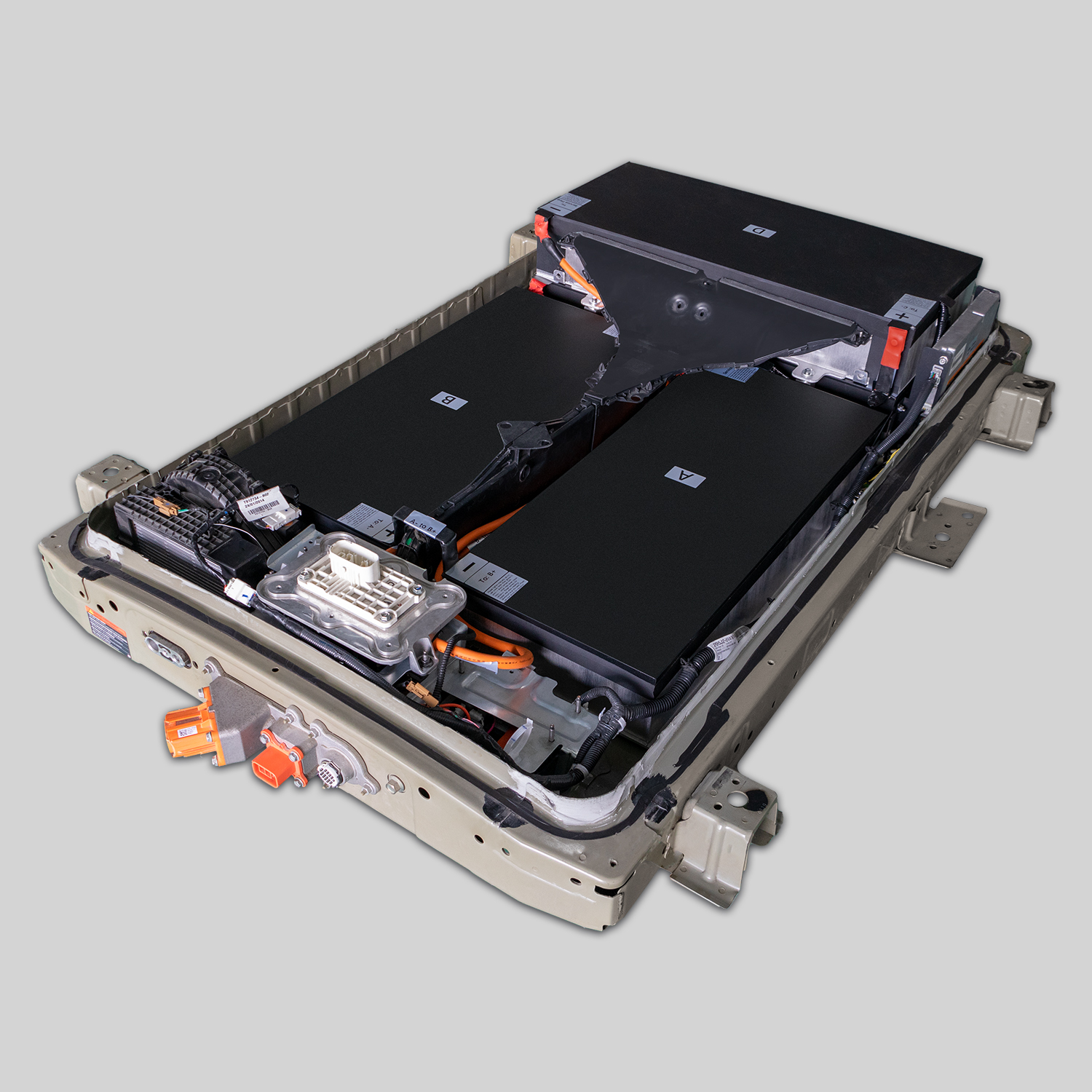
BMW i3 Battery Module Balancing: Cost for Shops – Why “$150 Balancing” Jobs Lose You $420 in Hidden Labor (And the Smarter Path That Boosts Profit & Customer Trust)
“A shop in Lyon quoted a customer €180 to ‘balance’ an i3 battery showing early regen cutout. They used passive balancing overnight—standard procedure. But the issue returned in 10 days. Diagnostics revealed Module C had a failing cell with rising internal resistance. True fix? Replace the module. Total labor: 6.5 hours. Net loss after warranty return: €310. The real cost of ‘balancing’ wasn’t the service—it was the misdiagnosis.”
You’ve likely faced this dilemma:
- A customer demands “just balance the modules—it’s cheaper than replacement”
- Your scanner shows minor voltage spread, so you agree
- But within weeks, the same symptoms return—and now trust is broken
The hard truth? True module balancing in the BMW i3 isn’t a standalone service—it’s a diagnostic outcome. And offering it as a fix-all not only risks comebacks but erodes your shop’s credibility.
This guide breaks down the real costs, hidden risks, and profit-smart alternatives for shops in 2026, including:
- Why passive balancing rarely solves performance issues
- The true labor + equipment cost per balancing attempt
- When module replacement beats balancing every time
- How CNS BATTERY’s pre-balanced, matched modules eliminate guesswork—and boost your margin
Because in EV repair, the cheapest quote often costs the most.
The Myth of “Affordable” Module Balancing
Many shops advertise “i3 battery balancing from $150.” But what’s really included?
| Item | Reality |
|---|---|
| Tooling | Requires ISTA or equivalent ($3,000+ software/license) |
| Labor Time | 1–2 hours for setup, monitoring, validation |
| Success Rate | <30% for packs with >5-year history |
| Comeback Risk | High—if imbalance stems from cell degradation |
⚠️ Critical insight: Balancing only works if all cells are healthy. If one cell is weak, it will drag the pack down again—fast.
💰 Real Cost Breakdown: What “$150 Balancing” Actually Costs Your Shop
Let’s assume a typical scenario:
- Labor rate: $120/hour
- Time spent: 1.5 hours (setup, charge cycle, validation)
- Equipment depreciation: $15 (scanner, logger usage)
- Opportunity cost: Bay occupied for 12+ hours (overnight balancing)
Total cost to shop: $195+
Revenue: $150
Net loss per job: $45+
And that’s before the 30–40% comeback rate—where you now face:
- Full diagnostics ($200 value)
- Module replacement (4+ hours labor)
- Customer dissatisfaction
📉 Result: Balancing as a primary service is a profit leak—not a revenue stream.
When Balancing Makes Sense (And When It Doesn’t)
✅ Appropriate for Balancing:
- Newly installed packs needing final equalization
- Minor voltage drift (<15 mV) after long storage
- Post-BMS reset validation
❌ Never Fixable by Balancing:
- Regen cuts out below 70% SoC → weak cell
- Rapid bar loss between 80%–40% → capacity imbalance
- Persistent isolation or temperature faults → hardware damage
💡 Pro rule: If symptoms affect driving performance, balancing won’t help.
The Profit-Smart Alternative: Pre-Matched Modules from CNS
Instead of gambling on balancing, forward-thinking shops now use CNS BATTERY’s pre-validated i3 modules, which include:
✅ Cell matching by capacity AND internal resistance (±1%)
✅ Pre-balanced at factory across 3 full cycles
✅ Plug-and-play compatibility—no BMS relearn needed
✅ 2-year/80,000 km warranty on modules and full packs
Financial Impact for Your Shop:
| Scenario | Traditional Balancing Path | CNS Module Replacement |
|---|---|---|
| Initial Job | $150 revenue, $195 cost | $850 module + $480 labor = $1,330 revenue |
| Comeback Rate | 35% | <3% |
| Customer Satisfaction | Low (“you didn’t fix it”) | High (“it works like new”) |
| Profit Margin | -30% | +55% |
“We stopped offering ‘balancing’ as a service. Now we diagnose properly and install CNS modules. Our i3 battery jobs have 92% first-time fix rate—and customers refer friends.”
— Mike’s Auto Service, Vancouver
Why CNS Modules Eliminate the Balancing Guesswork
Every CNS i3 module undergoes:
- Automated impedance screening
- Capacity binning within 0.5 Ah
- Dynamic load testing under simulated driving profiles
- Final voltage spread verification: <10 mV at rest, <20 mV under load
Result?
No post-install balancing needed. Just bolt in, connect, and drive.
Frequently Asked Questions: BMW i3 Module Balancing for Shops
Q: Can I charge extra for “professional balancing”?
A: You can—but customers increasingly know it’s often ineffective. Transparency builds more trust than upsells.
Q: Do CNS modules require BMS adaptation?
A: No. They’re designed to match OEM communication protocols—plug in and go.
Q: What’s the markup on CNS modules?
A: Typical shop markup: 40–60%, with strong customer acceptance due to warranty and reliability.
Q: How long does module replacement take vs. balancing?
A: 3–4 hours for single module swap—versus 12+ hours waiting for passive balancing with uncertain results.
Q: Are CNS modules compatible with all i3 generations?
A: Yes—60Ah, 94Ah, and 120Ah packs, with correct form factor and connector alignment.
Balancing Isn’t a Service—It’s a Symptom of Deeper Degradation
And treating symptoms without curing the cause is no way to run a profitable, trusted shop.
Stop Losing Money on False Economies: Equip Your Bay with CNS BMW i3 Battery Modules—Pre-Balanced, Pre-Tested, and Backed by a 2-Year Warranty—So Every Job Is a First-Time Fix, Every Customer Leaves Satisfied, and Every Invoice Reflects Real Value.
Your reputation—and your bottom line—deserve better than band-aids.
Order CNS i3 modules for your shop today—or request our free “Module Replacement Profit Calculator” and wholesale price list:
👉 https://cnsbattery.com/ev-battery-home/ev-battery-contact/