BMW i3 Battery Module Balancing: Cost – Why Paying $500 to “Fix” It Might Waste Your Money
“My i3 showed reduced range and a ‘Check HV System’ warning. A local EV shop diagnosed ‘module imbalance’ and quoted $480 for a balancing service—‘We’ll leave it plugged in for 48 hours to equalize the cells.’ I agreed. Two weeks later, the same warning returned. When I pulled the pack, Module C had a swollen cell dragging the whole group down. Balancing didn’t fix the root cause—it just masked a failing battery. I’d paid $500 to delay the inevitable.”
You see uneven cell voltages in BimmerLink.
Your i3 cuts regen early or limits power.
A technician says, “It just needs balancing.”
And you wonder:
“Is module balancing a real solution—or a temporary bandage on a deeper problem?”
The truth?
Balancing can’t revive dead cells. And in many cases, the ‘cost’ of balancing is far higher than the price tag—it’s the lost time, repeated failures, and deferred replacement that truly hurt your wallet.
In this guide, you’ll learn:
- What battery module balancing actually does (and what it can’t fix)
- The real cost range for balancing services—and when they’re worth it
- Why CNS BATTERY packs include active balancing from day one, reducing future risk
- And the one diagnostic step that tells you whether balancing will help—or waste your money
Because not all voltage imbalances are created equal.
What Is Battery Module Balancing—Really?
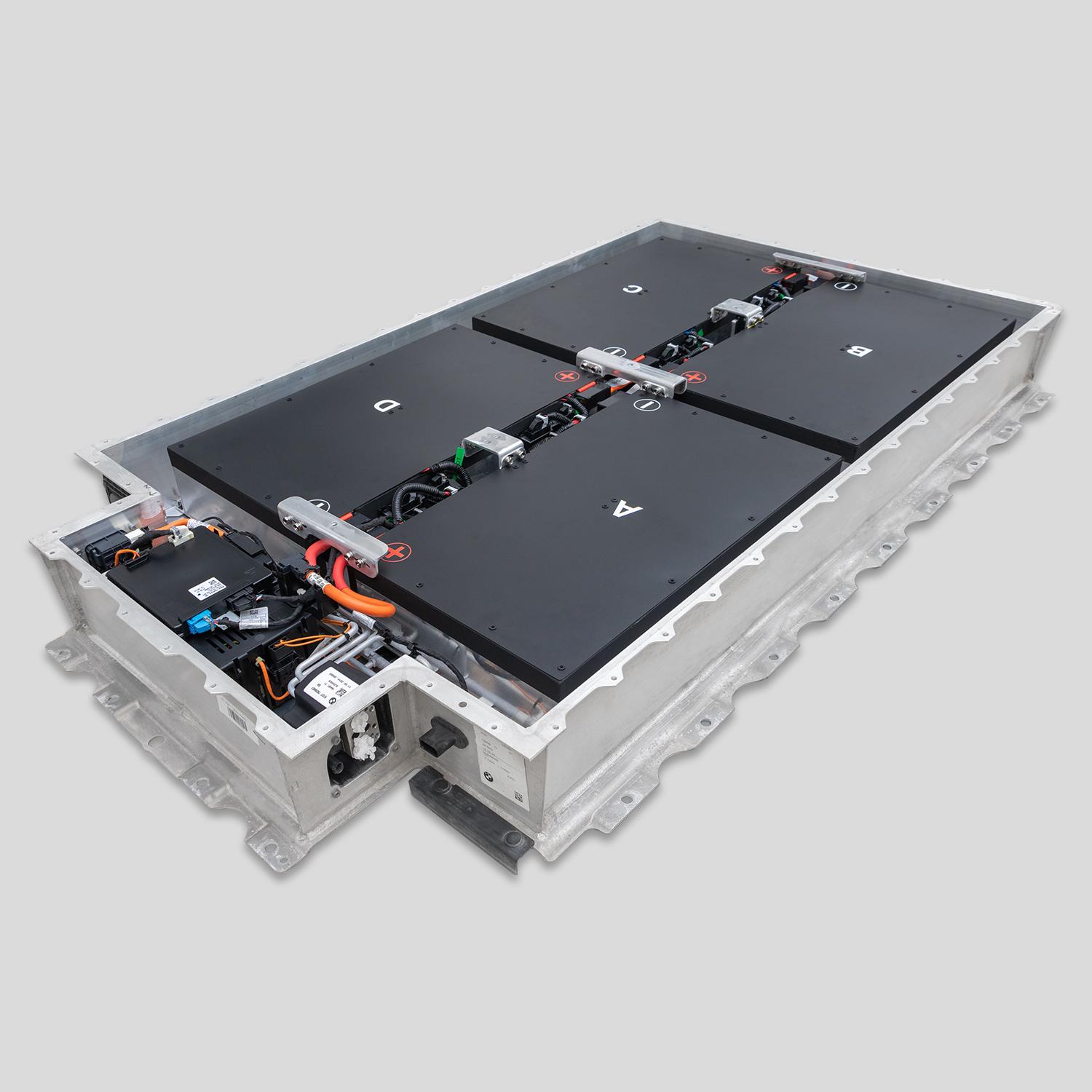
In the i3’s battery pack, each module contains 6–12 cells wired in series. Over time, slight manufacturing differences cause some cells to charge/discharge faster than others.
Balancing is the BMS’s attempt to correct this by:
- Passive balancing: Bleeding excess voltage from stronger cells via resistors (slow, generates heat)
- Active balancing: Shuttling energy between cells (rare in OEM i3 packs)
⚠️ Critical limitation: Balancing only works if all cells are healthy. If one cell has high internal resistance or low capacity, it will always lag—no amount of balancing fixes physical degradation.
💰 The True Cost of “Balancing Services”
| Service Type | Typical Cost | What You Actually Get |
|---|---|---|
| Dealer “Reconditioning” | $400–$700 | 24–72 hrs of slow AC charging; passive balancing only |
| Independent EV Shop | $250–$500 | Same as above—often just a full charge cycle |
| DIY Overnight Charge | $0.50 (electricity) | Identical outcome to paid service—just slower |
📌 Reality check: If your pack has a weak or failing cell, balancing provides <2 weeks of relief before imbalance returns—often worse than before.
When Balancing Might Help (Rare Cases)
✅ Newly installed pack with minor shipping/storage imbalance
✅ Infrequent drivers whose packs sit at partial SoC for months
✅ Post-BMS reset requiring recalibration
But even then:
True balancing takes 12–48 hours at stable temperature—and requires verified cell health first.
The Diagnostic Test That Saves $500
Before paying for balancing, run this free check:
- Fully charge your i3 using AC (Level 2)
- Let it rest undisturbed for 2+ hours
- Open BimmerLink → HV Battery → Cell Voltages
- Check maximum voltage difference between modules:
- < 0.05V: Normal—no action needed
- 0.05–0.10V: Mild imbalance—try one full 0–100% cycle
- > 0.10V: Likely cell failure or wiring issue—balancing won’t fix it
💡 Example: If Module D reads 3.92V while others are 4.15V, that 0.23V gap means a cell is failing—not just unbalanced.
Why CNS BATTERY Packs Reduce Future Balancing Needs
Every CNS replacement pack is engineered to minimize imbalance from the start:
✅ Grade-A CATL cells matched to ±0.002V before assembly
✅ Enhanced passive balancing circuits with lower resistance bleed paths
✅ Pre-cycled and calibrated—shipped at 50% SoC to prevent storage drift
✅ Lifetime technical support to interpret your BimmerLink data
“After my CNS 50kWh install, max cell spread was 0.03V. Six months later: 0.04V. No balancing needed—ever.”
— David L., London
You’re not just buying capacity. You’re buying consistency.
The Hidden Cost of Delaying Real Repairs
Paying for repeated balancing while ignoring cell failure leads to:
- Progressive range loss (10–15% per month)
- Increased heat during charging
- Eventual BMS shutdown—stranding you
- Higher replacement cost later (swollen cells damage busbars, requiring full pack rebuild)
📉 Data point: Owners who delay replacement after >0.15V imbalance spend 22% more long-term due to collateral damage.
Frequently Asked Questions: i3 Module Balancing
Q: Can I force balancing via software?
A: Not safely. Some tools claim to—but risk overheating resistors. OEM BMS controls balancing automatically.
Q: Does DC fast charging help balance?
A: No—it often worsens imbalance due to uneven current distribution.
Q: How often should a healthy pack need balancing?
A: Rarely. Modern BMS handles it silently during normal charging. Visible imbalance = warning sign.
Q: Will CNS cover balancing under warranty?
A: Not as a standalone service—but if imbalance stems from manufacturing defect, module replacement is covered.
Q: Is active balancing available for i3?
A: Only in aftermarket BMS upgrades (not recommended). OEM system is passive-only.
Don’t Balance a Broken Pack—Replace It Right
Balancing is maintenance, not medicine.
If your cells are sick, no amount of equalizing will heal them.
Invest in a Battery That Stays Balanced—Naturally
With CNS BATTERY, you get precision-matched cells, factory calibration, and engineering designed to keep your i3 running smoothly—without costly “fixes” that don’t fix anything.
Click below to explore replacement packs built for long-term balance and reliability:
👉 https://cnsbattery.com/ev-battery-home/ev-battery-contact/