BMW i3 Battery Leakage: How to Clean Up Safely (And When It’s Too Late)
You pull into your garage and notice a puddle beneath your BMW i3. It’s not water, and it’s not rain. A sweet, chemical smell hangs in the air, and a slick, oily residue is spreading across the concrete. Your heart sinks. Is my battery leaking?
Panic sets in. You grab a rag, ready to wipe it up, but stop. Do not touch that liquid.
A BMW i3 battery leakage is not a simple oil spill; it is a hazardous chemical event involving toxic electrolytes and potential high-voltage exposure. Cleaning it up incorrectly can lead to severe health risks, permanent damage to your garage floor, and even fire. At CNS BATTERY, we prioritize safety above all else. This guide explains exactly how to handle a leak emergency, why “cleaning” is often just a temporary band-aid, and why replacing the compromised pack is the only true solution for your long-term safety.
The Immediate Danger: What Is Leaking?
The liquid leaking from your i3 is likely battery electrolyte. In Lithium-Ion packs, this is a mixture of organic solvents and lithium salts.
- Toxicity: It is harmful if inhaled or absorbed through the skin. It can cause severe burns, respiratory distress, and eye damage.
- Flammability: The solvents are highly flammable. A single spark near a fresh leak can ignite a fire.
- Corrosivity: It eats through concrete, paint, and metal rapidly.
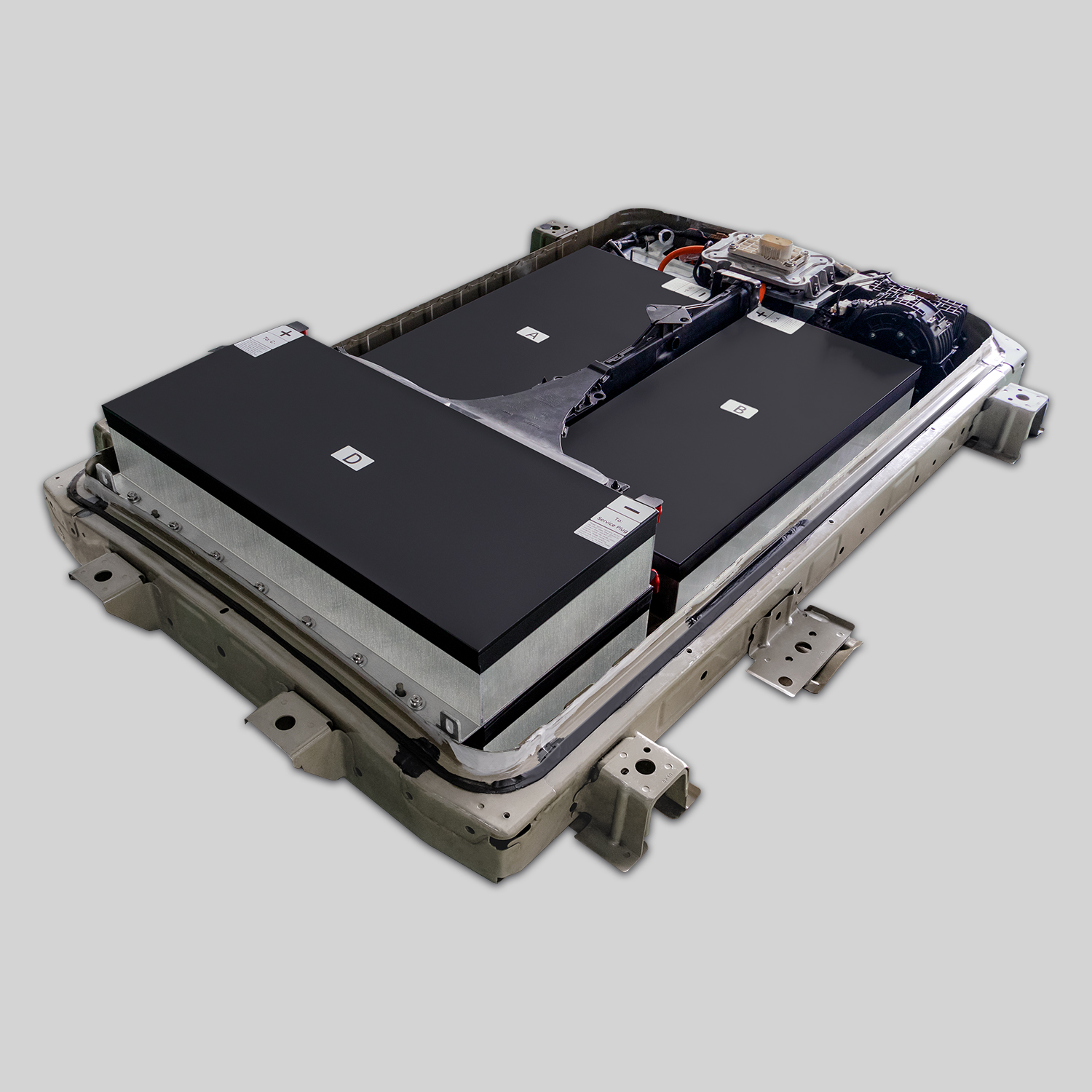
Furthermore, a visible leak often indicates a breached battery casing. This breach compromises the IP67 waterproof rating, allowing moisture to enter and cause internal short circuits, thermal runaway, or electrocution hazards.
Emergency Protocol: How to Clean Up Safely
If you confirm a leak, follow these strict safety steps immediately. Do not attempt this if you feel unsafe; call emergency services or a HazMat team.
1. Secure the Area
- Evacuate: Move all people and pets away from the vehicle immediately.
- Ventilate: Open garage doors and windows to disperse toxic fumes. Do not turn on electrical fans that could create sparks.
- No Ignition Sources: Do not smoke, start other cars, or operate electrical switches near the leak.
2. Personal Protective Equipment (PPE) is Mandatory
Never touch the liquid with bare hands. You need:
- Chemical-resistant gloves (Nitrile or Neoprene).
- Safety goggles to protect eyes from splashes.
- Respirator mask rated for organic vapors.
- Protective clothing (long sleeves, pants, boots).
3. Containment and Absorption
- Stop the Spread: Use sand, kitty litter, or specialized chemical absorbent pads to surround the puddle. Do not use sawdust (flammable).
- Absorb: Gently cover the liquid with the absorbent material. Let it sit until fully saturated.
- Neutralize (If trained): Some protocols suggest using a mild alkaline solution (like baking soda mixed with water) to neutralize acidic components, but this can cause a reaction. Only do this if you are trained. Otherwise, stick to absorption.
4. Disposal
- Do Not Trash: Never throw soaked materials in regular household trash.
- HazMat Handling: Place all contaminated materials (gloves, absorbents, rags) into a sealed, labeled plastic container. Contact your local hazardous waste disposal facility or fire department for proper removal.
- Clean the Surface: Once the liquid is removed, wash the area with plenty of water and a mild detergent. Collect the runoff if possible, as it is now contaminated.
The Hard Truth: Cleaning Doesn’t Fix the Problem
Here is the reality check: You can clean the floor, but you cannot clean the battery.
Once a BMW i3 battery pack is leaking, the structural integrity of the casing is compromised.
- Irreversible Damage: The seal is broken. Even if you patch the outside, microscopic cracks likely remain. Moisture and air will continue to enter, corroding internal cells and busbars.
- Internal Contamination: Electrolyte loss means the remaining cells cannot function correctly. The balance of the pack is destroyed.
- Safety Risk: A leaking pack is a ticking time bomb. The risk of internal shorting and thermal runaway increases exponentially every hour it remains in the car.
Trying to “repair” a leaking casing is rarely successful or safe. The only responsible action is complete battery replacement.
The CNS BATTERY Solution: Replace, Don’t Patch
At CNS BATTERY, we see leaking batteries as critical failures that demand a definitive solution. We don’t offer temporary patches; we provide brand-new, sealed, and safe powertrains.
Replacing your leaking pack with a CNS BATTERY unit eliminates the hazard entirely and restores your vehicle’s reliability.
Why Choose CNS BATTERY for a Leak Replacement?
- Guaranteed Sealing: Our BMW i3 Series Battery replacements undergo rigorous pressure and leak testing before shipping. You get a factory-fresh IP67 rating that guarantees no future leaks.
- Modern Durability: Our casings and seals are manufactured with updated materials that resist corrosion and road salt better than the original 2014-2017 OEM units.
- Safety First: By removing the compromised pack, you eliminate the risk of fire, toxicity, and electrocution immediately.
- Capacity Upgrades: Turn a disaster into an upgrade. Swap your leaking, degraded 60 Ah pack for a high-capacity 94 Ah or 120 Ah unit, doubling your range while solving the leak.
- Cost-Effective: A dealership replacement for a failed pack can exceed $20,000 USD. Our solutions typically range from $8,000 to $12,000 USD, offering superior value and peace of mind.
Real Story: From Hazard to Highway Ready
Consider James, an i3 owner in Seattle. He noticed a small puddle after a rainy week. He cleaned it up, thinking it was condensation. Two days later, the smell returned, stronger. A specialist diagnosed a cracked casing due to minor road debris impact. The dealer quoted him $18,000 for a new pack.
James contacted CNS BATTERY. We replaced his leaking unit with a refurbished 120 Ah pack. Not only was the leak gone forever, but his range jumped from 50 miles to 130 miles. “I was scared to park in my own garage,” James says. “Now I feel safer than ever, and I have more range than when I bought the car.”
Don’t Gamble with Toxic Chemicals
A BMW i3 battery leakage is a serious safety emergency. Cleaning up the mess is just the first step; fixing the source is the only way to ensure your safety. Do not drive a leaking vehicle. Do not attempt to seal it yourself.
Take decisive action. Replace the compromised pack with a certified, tested, and warrantied solution from CNS BATTERY.
Did you find a leak under your BMW i3?
Stop driving immediately. Contact CNS BATTERY now for an emergency consultation. Our experts will guide you through safe disposal and provide a fast, affordable quote for a battery replacement that restores your safety and range.
👉 Get Emergency Support & Quote
Frequently Asked Questions (FAQ)
1. What should I do if I see liquid leaking from my BMW i3?
Stop driving immediately. Evacuate the area, ventilate the space, and avoid touching the liquid. It is likely toxic battery electrolyte. Call a professional hazardous material cleanup service or tow the vehicle to a certified EV specialist.
2. Can I clean up a battery leak myself?
Only if you have proper PPE (gloves, goggles, respirator) and knowledge of hazardous material handling. Use absorbent materials like sand or chemical pads, not sawdust. However, due to the high toxicity and flammability, it is strongly recommended to hire professionals.
3. Is a leaking battery repairable?
No. Once the battery casing is breached and electrolyte has leaked, the pack is considered compromised and unsafe. The internal cells are likely damaged by air/moisture ingress. The only safe solution is a complete battery replacement.
4. How much does it cost to replace a leaking BMW i3 battery?
Dealerships often charge $18,000–$22,000 USD for an OEM replacement. CNS BATTERY offers complete, leak-tested replacement packs typically between $8,000 and $12,000 USD, often with capacity upgrades included.
5. Will a new battery from CNS BATTERY leak?
No. All our BMW i3 Series Battery units undergo strict leak testing and pressure checks before shipment. They feature modern sealing technology designed to withstand harsh road conditions without failing.
6. Is the leaking liquid dangerous to my pets or children?
Yes, extremely. Battery electrolyte is toxic and corrosive. Keep all people and pets away from the vehicle and the affected area until it has been professionally cleaned and the battery replaced.
7. How quickly should I act on a battery leak?
Immediately. A leak indicates a breached high-voltage system. The risk of fire, toxic fume inhalation, and further internal damage increases with every minute the car sits unused or is driven.