BMW i3 Battery Leakage: Environmental Risks You Can’t Ignore (And How to Prevent Them)
“After a minor curb strike, my i3 seemed fine—until three weeks later, I noticed a faint chemical smell and oily residue under the rear chassis. A technician found a hairline crack in the battery enclosure. Moisture had seeped in, corroding busbars and leaching electrolyte salts into the soil beneath my driveway. The repair cost $9,000—and I still worry about what soaked into the ground.”
You bought an EV to reduce your environmental footprint.
But what if your aging or damaged BMW i3 battery becomes a hidden source of pollution?
While rare, battery leakage isn’t just a mechanical failure—it’s an ecological hazard. And with thousands of i3s now over 7 years old, the risk is growing.
In this guide, you’ll discover:
- What “battery leakage” really means in lithium-ion packs (it’s not always liquid)
- The toxic compounds that can escape—and how they affect soil and water
- Why degraded or poorly sealed aftermarket packs increase environmental risk
- And how CNS BATTERY’s sealed, new-cell design prevents leakage before it starts
Because sustainability doesn’t end at zero tailpipe emissions—it includes responsible battery stewardship from day one to end-of-life.
What Is “Battery Leakage” in an i3? (It’s Not Just Dripping Fluid)
Unlike lead-acid batteries, lithium-ion packs like the i3’s don’t “leak” in the traditional sense. But they can still release harmful substances through:
🔹 Electrolyte Vapor or Residue
- When cells are damaged or overheat, the organic solvent-based electrolyte (e.g., LiPF₆ in EC/DMC) can vent as gas or leave white crystalline deposits (hydrofluoric acid byproducts).
- These are corrosive and toxic—especially when exposed to moisture.
🔹 Coolant Contamination (Indirect)
- While the i3 uses air cooling, some owners retrofit liquid systems. A leak here can mix with HV components, creating conductive, chemically active runoff.
🔹 Corrosion Byproducts
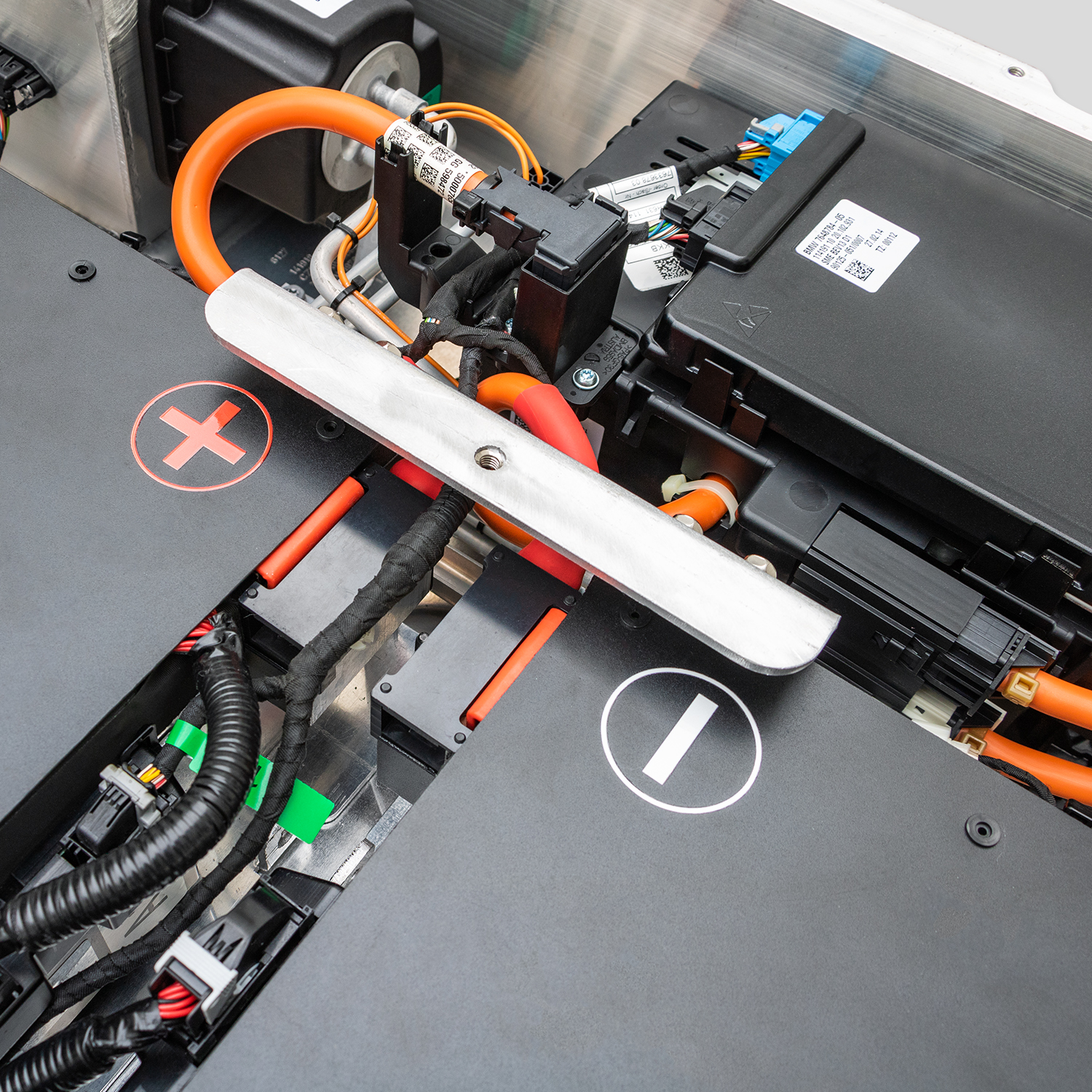
- Moisture ingress → oxidation of aluminum/copper busbars → metallic salts that wash into soil during rain.
⚠️ Even a sealed but degraded pack can emit trace gases through micro-cracks—undetectable until damage is done.
🌍 Real Environmental Hazards of i3 Battery Leaks
If leaked materials reach the environment, they pose serious risks:
| Substance | Environmental Impact |
|---|---|
| Lithium Hexafluorophosphate (LiPF₆) | Reacts with water to form hydrofluoric acid (HF)—toxic to aquatic life, corrosive to soil pH |
| Organic Carbonates (EC, DMC) | Persistent in groundwater; moderate toxicity to plants and microbes |
| Cobalt & Nickel (from NMC cathodes) | Heavy metals that bioaccumulate in ecosystems; regulated as hazardous waste |
| Aluminum/Copper Salts | Alter soil conductivity and microbial balance |
📊 According to EU Battery Directive 2023, all EV batteries must be designed to prevent leakage under normal use and foreseeable damage. Yet many aged or refurbished packs fall short.
Why Aging or Low-Quality Packs Increase Leakage Risk
Your i3’s original battery was engineered with multiple safeguards:
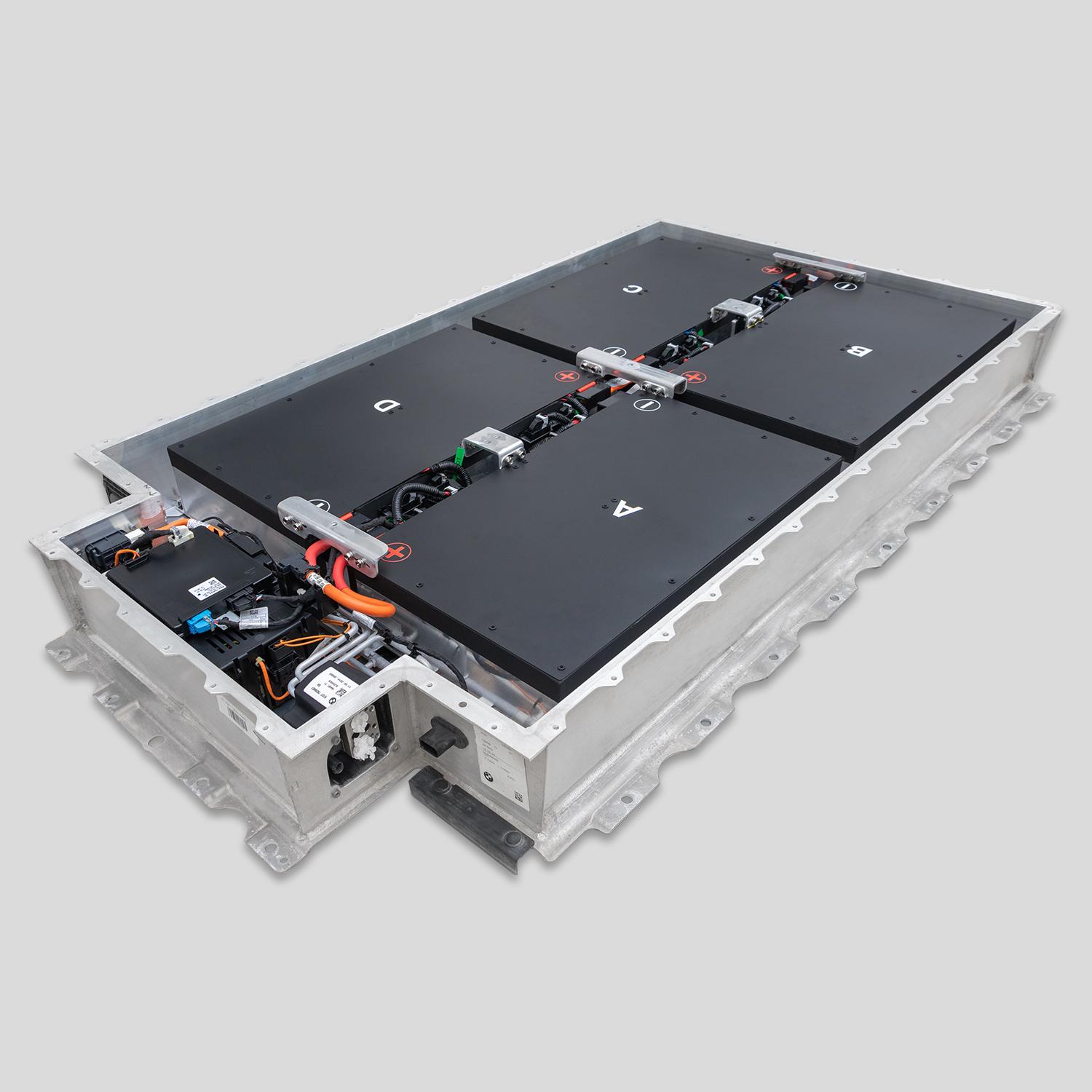
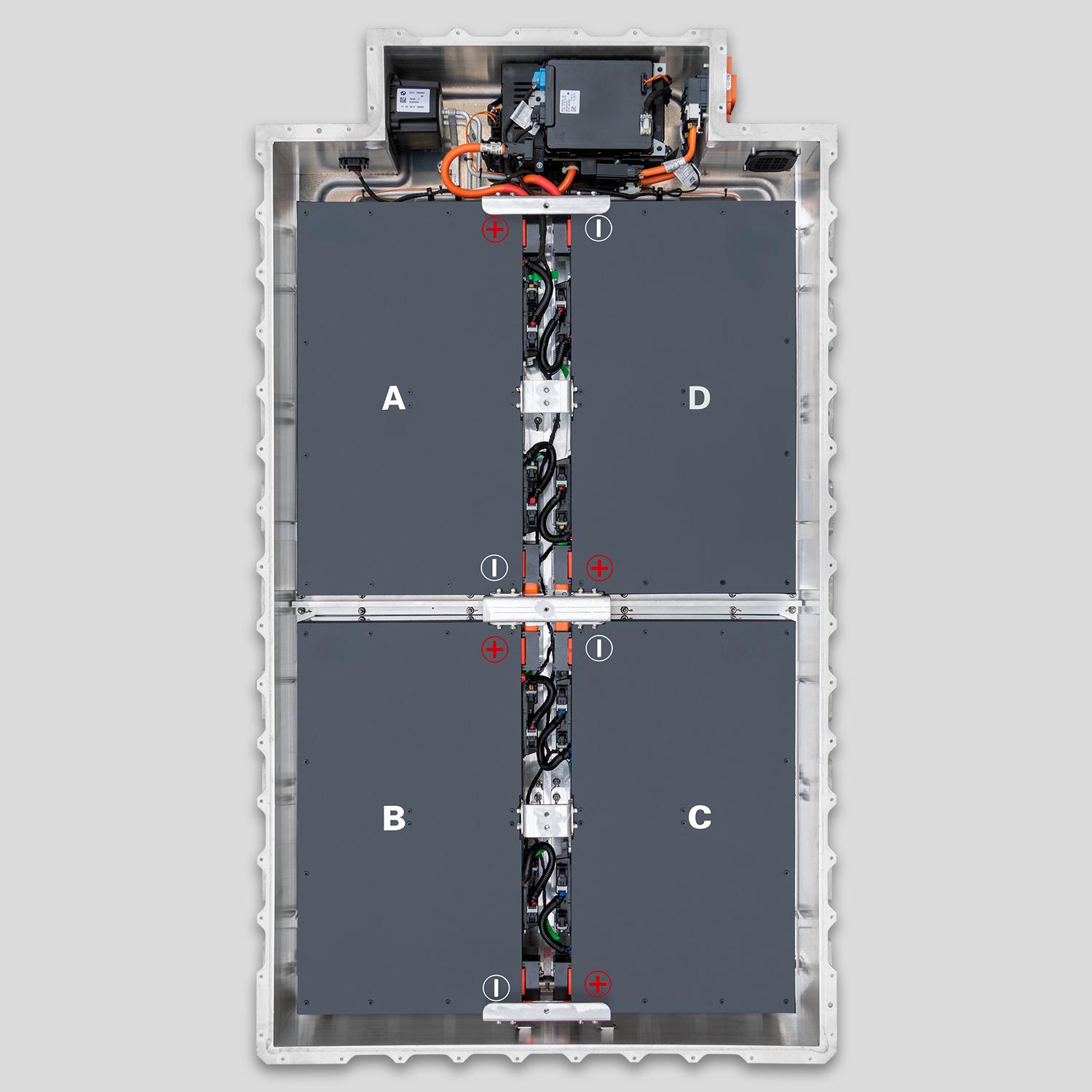
- IP67-rated enclosure
- Double-sealed module gaskets
- Pressure-relief vents with filters
But over time—or with poor replacements—these fail:
🔴 Cracked housing from road debris or improper jacking
🔴 Dried or compressed gaskets losing seal integrity
🔴 Internal corrosion creating conductive paths that accelerate degradation
🔴 Refurbished packs using mismatched or swollen cells—increasing internal pressure
💡 Critical insight: A pack that triggers “Isolation Fault” codes (e.g., 9E8710) may already be leaking current—and potentially chemicals—to chassis or ground.
CNS BATTERY: Engineered to Contain—Not Contaminate
At CNS, we treat environmental safety as non-negotiable. Our i3 replacement packs include:
✅ New, undamaged IP67 enclosures with fresh silicone gaskets
✅ Brand-new CATL NMC cells—no swelling, no prior stress, no hidden defects
✅ Sealed busbar chambers with anti-corrosion coating
✅ Zero recycled or salvaged components—eliminating pre-existing micro-damage
Every pack undergoes:
- 24-hour humidity chamber testing
- Insulation resistance validation (>1,000 kΩ)
- Visual and pressure integrity checks
Result? A battery that protects your car—and your planet.
“After flood warnings in my area, I replaced my 2016 i3’s original pack with CNS 45kWh. Knowing it’s fully sealed gives me peace of mind—even during heavy rains.”
— Lisa K., Berlin
What to Do If You Suspect a Leak
✅ Immediate Actions:
- Park on pavement—not soil or gravel
- Do not touch residue—wear nitrile gloves if inspection is needed
- Look for: white powder, oily film, or metallic odor near underbody
- Scan for HV faults—especially isolation errors
✅ Long-Term:
- Replace compromised packs immediately
- Dispose of old batteries through certified recyclers (never landfill)
- Choose replacements with verified sealing standards
Frequently Asked Questions: i3 Battery Leakage & Environment
Q: Can a leaking i3 battery contaminate my garage floor?
A: Yes—electrolyte residues can etch concrete and leach into groundwater. Clean with baking soda + water (neutralizes acid), then dispose of rags as hazardous waste.
Q: Are CNS packs recyclable?
A: Absolutely. We partner with EU-certified recyclers who recover >95% of metals and safely process electrolytes.
Q: Does cold weather increase leakage risk?
A: Indirectly—thermal cycling can fatigue seals over time. That’s why fresh gaskets in new packs matter.
Q: How can I check if my pack is sealed?
A: Inspect the enclosure seams for cracks, missing screws, or corrosion. But internal leaks may show no external signs—monitor for recurring HV faults.
Q: Is battery leakage covered under warranty?
A: CNS covers manufacturing defects that lead to leakage—but not damage from accidents or improper handling.
Sustainability Starts with Safe Design
Driving electric is a step toward a cleaner future.
But that promise only holds if your battery stays contained—for its entire life.
Don’t wait for a leak to act. Prevent it with engineering you can trust.
Choose a Battery That Protects More Than Just Your Range
With CNS BATTERY, you get new-cell reliability, rigorous sealing, and environmental responsibility built into every pack—so you drive green, without hidden risks.
Click below to explore replacement options designed for safety, performance, and planetary care:
👉 https://cnsbattery.com/ev-battery-home/ev-battery-contact/