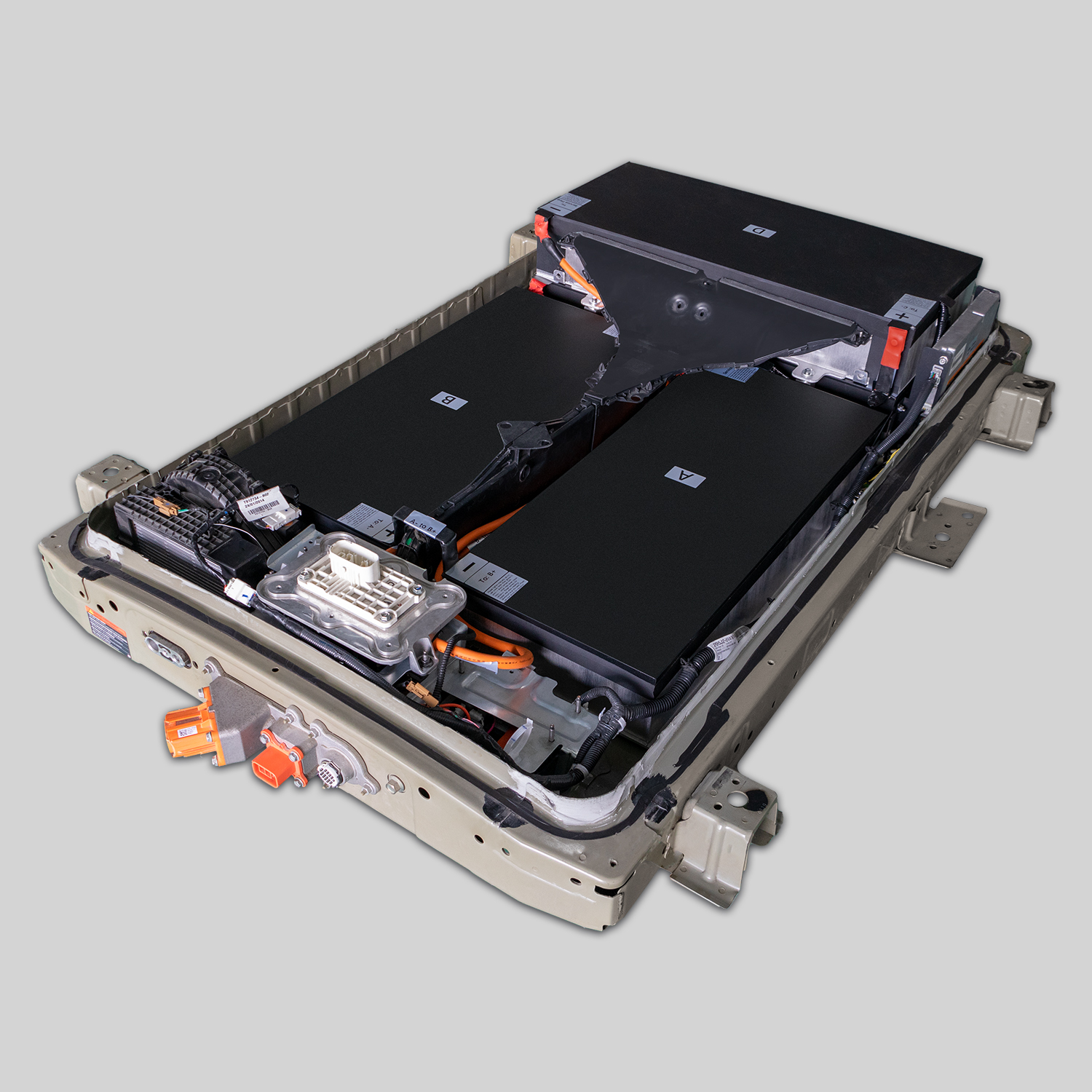
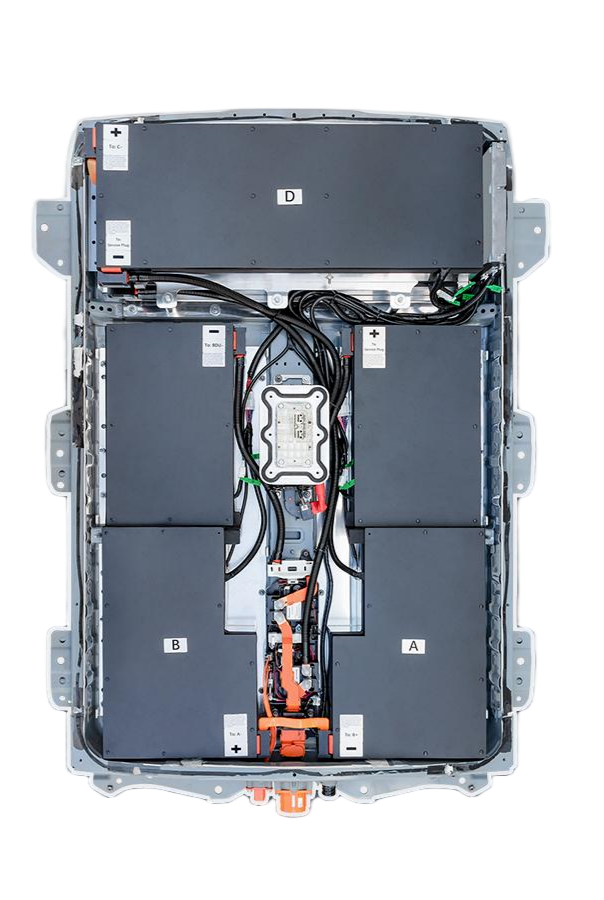
BMW i3 Battery Leakage Cleanup: Professional Shop Protocols – The Hidden Danger Beneath the Puddle
A tow truck backs into your bay, dripping a mysterious blue-green fluid onto the concrete. The driver points to a 2015 BMW i3 and says, “It started smoking slightly, then this stuff started pouring out from under the rear seat. Is it just coolant?”
As a professional EV technician in 2026, your heart rate spikes. In a gas car, a leak is a mess. In a BMW i3, a battery leakage event is a potential catastrophe. That blue-green fluid isn’t just antifreeze; it is likely conductive thermal management fluid that has breached the sealed high-voltage enclosure and is now mixing with 400 volts of electricity.
The instinctive reaction is to grab absorbent pads, soak up the spill, and bill the customer for a hose replacement. But if you treat this like a standard radiator leak, you are walking into a lethal trap. If the leak is internal, the battery pack is chemically compromised, electrically unstable, and at imminent risk of thermal runaway (fire).
How do you distinguish between a harmless external hose leak and a fatal internal breach?
What are the critical safety protocols for cleaning up conductive high-voltage fluids?
And when your diagnostics confirm the pack is contaminated, how do you pivot from a simple cleanup to a high-margin, life-saving battery upgrade?
At CNS BATTERY, we have managed countless thermal and leakage events. We know that proper leakage cleanup is not just about hygiene; it is about preventing electrocution and fire. This guide outlines the professional shop protocols for handling i3 battery leaks, exposes the deadly risks of internal contamination, and reveals why replacing the entire system is the only ethical solution.
The Anatomy of the Leak: External vs. Internal
Your first task is to determine the source. The outcome of this diagnosis dictates whether the car can be saved or must be condemned.
Scenario A: External Cooling Line Leak (Manageable)
- Source: Ruptured rubber hose, cracked plastic connector, or failed water pump outside the battery casing.
- Risk: Low voltage risk (if cleaned properly), but potential for overheating if not fixed.
- Verdict: Repairable. Replace the component, clean the area, and refill.
Scenario B: Internal Battery Pack Leak (Catastrophic)
- Source: Corroded internal cooling plates, failed laser welds, or physical puncture of the battery casing.
- Risk: Extreme. Conductive coolant is sitting directly on live 400V busbars and cell terminals. This causes immediate insulation faults, short circuits, and rapid corrosion.
- Verdict: Unrepairable. The battery is chemically and electrically totaled. It must be quarantined and replaced.
Professional Cleanup Protocol: Safety First
If you encounter a leak, follow this rigorous workflow. Do not skip steps.
Step 1: Immediate Isolation & PPE
- Secure the Zone: Establish a 50-foot perimeter. Keep unauthorized personnel away.
- PPE Up: Technicians must wear Class 00 (1000V) insulated gloves, arc-flash face shields, and chemical-resistant aprons. Standard mechanic gloves are insufficient.
- Depower: If safe to approach, disconnect the 12V auxiliary battery and remove the High Voltage Service Plug (MSD). Wait 10 minutes for capacitor discharge.
Step 2: Identify the Fluid
- Visual Check: BMW i3 coolant is typically blue or green (G48 or similar low-conductivity formula).
- Smell Test: A sweet chemical smell indicates glycol.
- Location: Is the fluid coming from a hose connection (External) or seeping from the battery casing seams/vent valve (Internal)?
- Conductivity Test: Use a multimeter to test the puddle’s conductivity (carefully, without touching live parts). High conductivity confirms a severe electrical hazard.
Step 3: The Cleanup Process
- Absorb: Use specialized chemical absorbent pads (not standard oil dri, which may not neutralize glycol). Cover the spill completely.
- Neutralize (If Acidic): While EV coolant is generally alkaline/glycol-based, always check the SDS (Safety Data Sheet). If mixed with electrolyte from a ruptured cell, it could be acidic. Have a neutralizing agent ready.
- Remove: Scoop contaminated absorbents into a hazardous waste container. Do not throw them in regular trash.
- Wash: Clean the concrete floor with water and a degreaser. Collect the runoff if local regulations require it.
- Dry: Ensure the area is completely dry before moving the vehicle or working nearby. Wet floors increase the risk of slip-and-fall accidents near HV components.
Step 4: The Critical Diagnostic (The Decider)
Once the area is clean, you must determine the fate of the battery.
- Insulation Resistance Test (Megger): Disconnect the HV cables from the pack. Measure resistance between HV terminals and the chassis.
- Result A (>1 MΩ): Insulation is good. The leak was likely external or caught early. The pack might be safe.
- Result B (<100 kΩ): Critical Failure. Conductive fluid has bridged the internal components. The pack is compromised.
- Visual Inspection: Look inside the HV connector or vent valves. Do you see wetness or crusty residue? If yes, the inside is wet.
The Hard Truth: Why “Cleaning” an Internal Leak Is Impossible
If your diagnostics point to Scenario B (Internal Leak), you must explain the harsh reality to the customer:
- Permanent Contamination: You cannot “flush out” conductive coolant from inside a sealed battery pack. The fluid coats every cell, busbar, and sensor. Even if you dried it, the dissolved salts remain, creating permanent conductive paths.
- Corrosion is Active: The chemical reaction between the coolant and aluminum/copper components is already happening. Every minute the pack sits wet, it degrades further.
- Fire Risk: A wet, high-voltage battery is a ticking time bomb. Short circuits can occur spontaneously, leading to thermal runaway that standard extinguishers cannot easily stop.
- Liability: If you clean the outside, reassemble the car, and it catches fire next week due to internal corrosion, your shop is liable.
The Verdict: An internally leaking BMW i3 battery pack is total loss. It must be quarantined in a fire-safe area and disposed of as hazardous waste.
The CNS BATTERY Solution: Eliminate the Leak Forever
When you deliver the news that the battery is internally leaked and unsafe, the customer faces a crisis. The dealer will quote $20,000+ for a remanufactured unit. This is your opportunity to offer the CNS BATTERY High-Capacity Upgrade—the only solution that guarantees a leak-free future.
Why Upgrading Is the Only Safe Fix
- Factory-Perfect Seal: Our BMW i3 Series Battery upgrades are brand-new, factory-sealed units. They come with certified leak-test results. Zero risk of internal leakage.
- Advanced Cooling Design: Our internal cooling plates use updated materials and designs resistant to the corrosion that plagued original i3 packs.
- Zero Contamination Risk: Brand-new cells and busbars mean no history of coolant exposure. Insulation resistance is guaranteed >10 MΩ.
- Plug-and-Play Safety: Swap the old, leaking hazard for a new, safe unit in 4–6 hours. No disassembly of the compromised pack.
- Double the Range: While solving the leak, you upgrade the customer from a failing 60 Ah or 94 Ah pack to a 120 Ah to 180 Ah system, giving them 130–200+ miles of range.
- Cost Efficiency:
- Cleanup + Failed Repair: $500+ (labor) + 100% Risk of Fire/Liability.
- Dealership Replacement: $20,000+.
- CNS BATTERY Upgrade: $8,000 – $14,000 USD. You get a brand-new, leak-proof battery with double the range for half the dealer price.
Real Story: From “Toxic Puddle” to “Dry & Safe”
“Westside EV Repair” in California had a 2015 i3 come in with coolant pooling under the rear seat. The Megger test showed 15 kΩ resistance—critically low. The customer asked if they could just “dry it out.”
“We explained that the coolant was already inside touching live wires,” says the owner. “We refused the repair due to safety liability. Instead, we installed a CNS BATTERY 150 Ah upgrade. The new pack arrived perfectly sealed. We installed it, filled the external lines with fresh coolant, and pressure tested. Zero leaks, >5 MΩ insulation. The customer paid $11,500, got 170 miles of range, and drove away safely. We avoided a potential lawsuit and made a great profit.”
Stop Patching, Start Protecting
BMW i3 battery leakage cleanup is a binary decision: External leaks are fixable; internal leaks are fatal. Never attempt to salvage a pack that has been internally contaminated.
Be the shop that prioritizes safety over a quick buck. Be the shop that offers the only true solution: complete replacement with modern, sealed technology.
Found coolant leaking from the battery pack?
Don’t risk a catastrophe. Contact CNS BATTERY today for a professional assessment. Discover how our BMW i3 Series Battery upgrades can eliminate leak risks permanently, providing your customers with a safe, dry, and high-range driving experience.
👉 Get Your Leak Diagnosis & Upgrade Quote
Frequently Asked Questions (FAQ) for Shops
1. Can I repair a leaking BMW i3 battery pack by cleaning it?
No. Internal leaks indicate coolant has entered the high-voltage section. Cleaning the exterior does not remove the conductive fluid inside, nor can a shop replicate the factory IP67 seal. The pack must be replaced.
2. How do I tell if the leak is internal or external?
Perform a visual inspection of the casing seams and vents, followed by an Insulation Resistance (Megger) test. If fluid seeps from the casing or vents, or if insulation resistance drops below 100 kΩ, the leak is internal and the pack is condemned.
3. What happens if I drive with an internal battery leak?
Conductive coolant can cause short circuits, insulation faults, and thermal runaway (fire). It also creates a risk of fatal electrocution if the chassis becomes energized. The vehicle must not be driven.
4. Is it safe to open a leaking pack to clean it?
Absolutely not. Opening a compromised pack exposes technicians to live voltage mixed with conductive fluid. It releases toxic gases and voids all safety certifications. The pack must be quarantined and disposed of as hazardous waste.
5. Does CNS BATTERY guarantee their packs are leak-free?
Yes. Every upgrade is factory-sealed, pressure-tested, and inspected before shipping. We provide documentation confirming zero leaks and high insulation resistance.
6. How much does it cost to fix a leak vs. upgrading?
External hose repairs cost $300–$600. Internal leak “repairs” are impossible/risky. A dealership replacement costs $20,000+. A CNS BATTERY upgrade costs $8,000–$14,000, providing a brand-new, leak-proof battery with double the range.
7. What should I do with the old leaking battery?
It must be treated as hazardous waste. Drain the coolant safely into approved containers, quarantine the pack in a fire-safe area, and arrange for certified recycling/disposal. Do not store it near other vehicles.