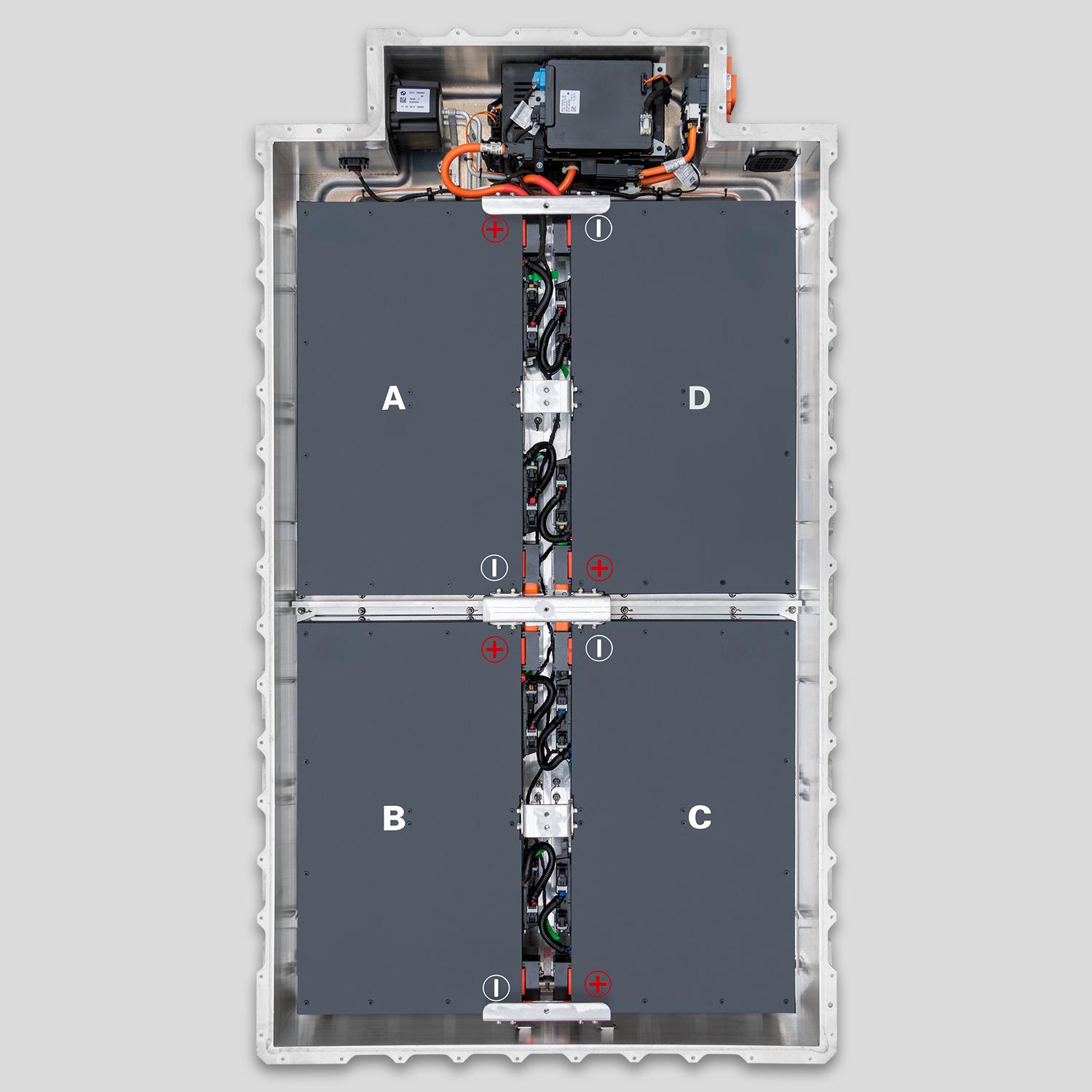
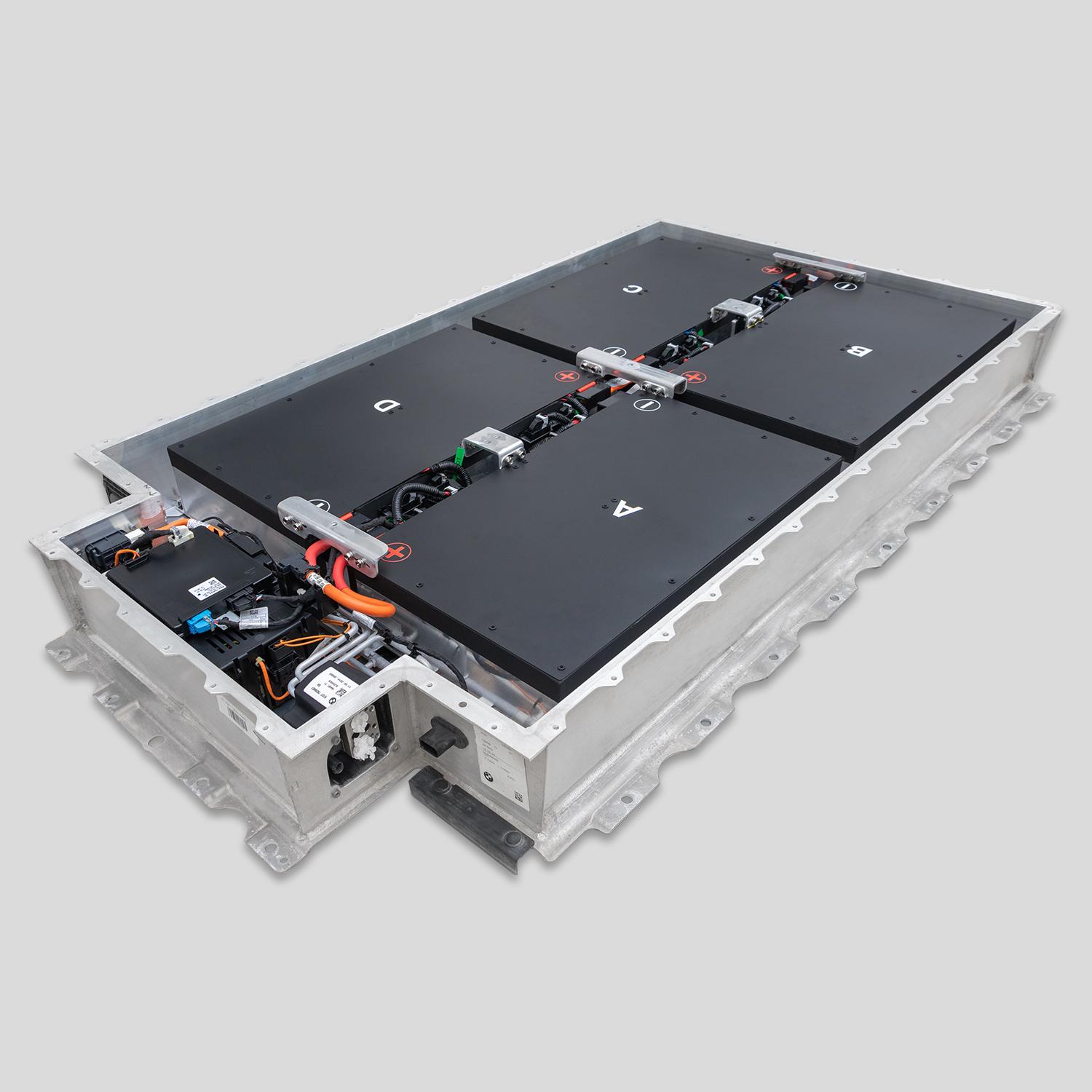
BMW i3 Battery Leak: Environmental Cleanup – The Hidden Hazard in Your Driveway
You park your BMW i3 in the garage after a long drive. The next morning, you notice it: a small, shimmering puddle beneath the rear seat area. It’s not water. It has a slightly oily texture and a faint, sweet chemical odor. Your heart sinks. It’s a coolant leak.
In a gasoline car, a coolant leak is a mess to clean up. In an electric vehicle, specifically the BMW i3, a battery coolant leak is an environmental emergency.
This isn’t just antifreeze; it’s a specialized, low-conductivity fluid designed to circulate around 400-volt cells. While less toxic than some industrial chemicals, it still contains ethylene glycol and proprietary additives that are harmful to pets, wildlife, and local water systems if washed into storm drains. Worse, if the leak has been ongoing, the fluid may have mixed with road grime, becoming conductive and creating a hidden electrical fire risk in your own garage.
How do you safely clean up an EV battery leak?
Can you just hose it down, or does that make things worse?
And if your battery is leaking, is cleaning the floor enough, or do you need to address the source before it causes catastrophic damage?
At CNS BATTERY, we prioritize safety and environmental responsibility. We have managed hundreds of battery leak scenarios, from minor seeps to major ruptures. We know that improper cleanup can spread contamination or create electrical hazards. This guide provides a step-by-step protocol for safe environmental cleanup, explains the unique risks of EV coolant, and reveals why replacing a leaking battery is the only way to protect your home and the planet.
The Unique Danger: Why EV Coolant Is Different
Before you grab a mop, you must understand what you are dealing with. The BMW i3 uses a specific high-voltage battery coolant (often blue or greenish-blue).
Key Risks
- Electrical Conductivity: Unlike standard engine coolant, EV coolant is formulated to be low-conductivity when fresh. However, once it leaks out and mixes with dust, metal shavings, or dirt, it becomes highly conductive. If this contaminated fluid pools near high-voltage components or charging ports, it can cause short circuits or arc flashes.
- Toxicity to Pets: Like traditional antifreeze, EV coolant often contains ethylene glycol, which smells sweet to animals but is fatal if ingested. A small puddle can be lethal to a dog or cat.
- Environmental Impact: Pouring this fluid down a storm drain or onto soil is illegal in most jurisdictions. It contaminates groundwater and harms aquatic life. It must be treated as hazardous waste.
- Slip Hazard: The fluid is slick. A leak in a garage or driveway creates a significant fall risk.
Step-by-Step: Safe Environmental Cleanup Protocol
If you discover a leak, follow these steps immediately to minimize environmental impact and ensure safety.
Phase 1: Secure the Scene
- Do Not Touch: Avoid direct skin contact. Wear nitrile gloves and safety glasses.
- Isolate the Area: Keep pets and children away from the puddle immediately.
- Stop the Source: If possible and safe, move the car to a contained area (like a drip pan) or stop driving it entirely. Do not charge the vehicle while leaking.
Phase 2: Contain and Absorb (Never Hose It Down!)
- The Golden Rule: NEVER use a hose to wash the leak into a drain or onto the lawn. This spreads the toxin and violates environmental laws.
- Absorbent Materials: Cover the spill completely with an absorbent material.
- Best Options: Clay-based cat litter, oil-dry absorbents, or specialized chemical spill pads.
- Avoid: Sawdust (can be combustible) or paper towels (may disintegrate and spread the mess).
- Let It Sit: Allow the absorbent to work for 15-20 minutes until the liquid is fully soaked up.
Phase 3: Collection and Disposal
- Sweep Carefully: Use a stiff broom and dustpan to sweep up the saturated absorbent. Place it directly into a heavy-duty plastic bag or a sealed plastic container.
- Secondary Cleaning: Wipe the remaining residue with damp rags (use minimal water). Place these rags in the same sealed container.
- Labeling: Clearly label the bag/container: “Hazardous Waste – EV Battery Coolant.”
- Disposal: Do not throw this in your regular trash. Take it to a local hazardous waste disposal facility or an auto parts store that accepts used fluids. Many municipalities have specific drop-off days for household hazardous waste.
Phase 4: Decontamination
- Wash your gloves and tools with soap and water.
- Wash your hands thoroughly after removing gloves.
- If the leak occurred on a porous surface (like untreated concrete), you may need to apply a specialized enzymatic cleaner to break down residual glycol, then absorb and dispose of that as well.
The Hard Truth: Cleaning Is Not a Fix
You can mop up the puddle, seal the waste, and dispose of it properly. But here is the reality: Cleaning the mess does not stop the leak.
- The Recurrence: A leaking battery pack will continue to drip. Every day you drive, you risk leaving a toxic trail on public roads, parking lots, and driveways.
- The Escalation: A small seep today can become a gushing rupture tomorrow. If the coolant level drops too low, the battery will overheat, potentially leading to cell failure, thermal runaway, or fire.
- The Liability: If your leaking car contaminates a public storm drain or hurts a neighbor’s pet, you could face significant fines and legal liability.
The Verdict: Cleanup is an emergency response, not a solution. The only permanent fix is to replace the compromised battery pack.
The CNS BATTERY Solution: Leak-Free and Eco-Conscious
If your BMW i3 is leaking, don’t just manage the symptom. Eliminate the source with a brand-new, sealed battery system.
At CNS BATTERY, we combine performance with environmental stewardship. Our BMW i3 Series Battery upgrades not only restore your range but also ensure your vehicle is no longer a hazard to your home or the ecosystem.
Why Upgrading Is the Responsible Choice
- Zero Leak Risk: Our replacements feature brand-new casings with factory-perfect laser welds and seals. No rusted seams, no aged gaskets, zero risk of leaking.
- Safe Disposal Included: When we install your new battery, we safely remove and recycle your old, leaking pack according to strict environmental regulations. We handle the hazardous waste logistics so you don’t have to. You get a clean car and a clean conscience.
- Modern Durability: Our packs use advanced materials resistant to corrosion and vibration, ensuring they stay sealed for years to come.
- Double the Range: While solving the environmental hazard, you upgrade from a failing 60 Ah or 94 Ah pack to a 120 Ah equivalent, giving you 130+ miles of range.
- Cost Efficiency:
- Cleanup Supplies + Repeated Fluid Top-offs: $100+ (and the leak continues).
- Dealership Replacement: $20,000+.
- CNS BATTERY Upgrade: $8,000 – $12,000 USD. You get a brand-new, leak-proof battery, professional hazardous waste disposal, and double the range for half the dealer price.
Real Story: From “Toxic Trail” to “Green Driving”
Meet Sarah, a 2015 i3 owner. She noticed a small blue spot in her garage. She cleaned it up with cat litter and thought nothing of it. Two weeks later, she found a larger puddle in a public parking lot. A bystander warned her that her car was leaving a toxic trail. Horrified, she realized the leak was worsening. The dealer quoted $21,000 for a replacement.
Sarah contacted CNS BATTERY. We installed a 120 Ah upgrade. “They didn’t just give me a new battery,” Sarah says. “They took the old leaking one away and handled all the hazardous waste disposal paperwork. Now my car is perfectly sealed. I have 135 miles of range, and I drive with peace of mind knowing I’m not hurting the environment. It was the right thing to do for my family and the planet.”
Don’t Let a Leak Pollute Your World
A BMW i3 battery leak is more than a mechanical failure; it’s an environmental hazard that demands immediate action. Proper cleanup is essential, but replacement is mandatory.
Take responsibility. Choose a solution that guarantees safety, reliability, and ecological integrity.
Found a coolant leak in your garage?
Stop the contamination today. Contact CNS BATTERY for an immediate diagnostic. We will safely assess the leak, provide a quote for a leak-proof upgrade, and handle the eco-friendly disposal of your old battery, ensuring your driving future is clean and green.
👉 Get Your Leak Diagnostic & Eco-Friendly Upgrade Quote
Frequently Asked Questions (FAQ)
1. Is BMW i3 battery coolant toxic?
Yes. Like most automotive coolants, it typically contains ethylene glycol, which is toxic to humans and pets if ingested. It can also harm aquatic life and contaminate groundwater if poured down drains or onto soil.
2. Can I wash the coolant leak into the street or storm drain?
Absolutely NOT. This is illegal and environmentally damaging. EV coolant must be absorbed with materials like cat litter and disposed of as hazardous waste at a designated facility.
3. What should I do if my pet ingests battery coolant?
Seek immediate veterinary attention. Coolant ingestion is a medical emergency. Bring the sample or container with you if possible so the vet knows exactly what was consumed.
4. Does CNS BATTERY handle the disposal of the leaking battery?
Yes. As part of our BMW i3 Series Battery upgrade service, we professionally remove your old, leaking battery and dispose of it according to all federal and local environmental regulations. You do not need to handle the hazardous waste yourself.
5. Will a new battery from CNS BATTERY leak?
No. Our upgrades come with brand-new, factory-sealed casings that are rigorously tested for leaks. They are designed to be completely impervious to fluid loss, ensuring no environmental risk.
6. How much does it cost to clean up a leak vs. replacing the battery?
Cleanup supplies cost ~$50, but this is a temporary measure. A leaking battery will continue to pollute. A CNS BATTERY upgrade costs $8,000–$12,000 USD but provides a permanent, leak-free solution with double the range and includes safe disposal of the hazardous old pack.
7. What happens if I ignore a battery leak?
Ignoring a leak risks environmental contamination, pet poisoning, electrical shorts (if fluid becomes conductive), and eventual battery overheating/fire. It also exposes you to potential legal liability for pollution. Immediate repair or replacement is critical.