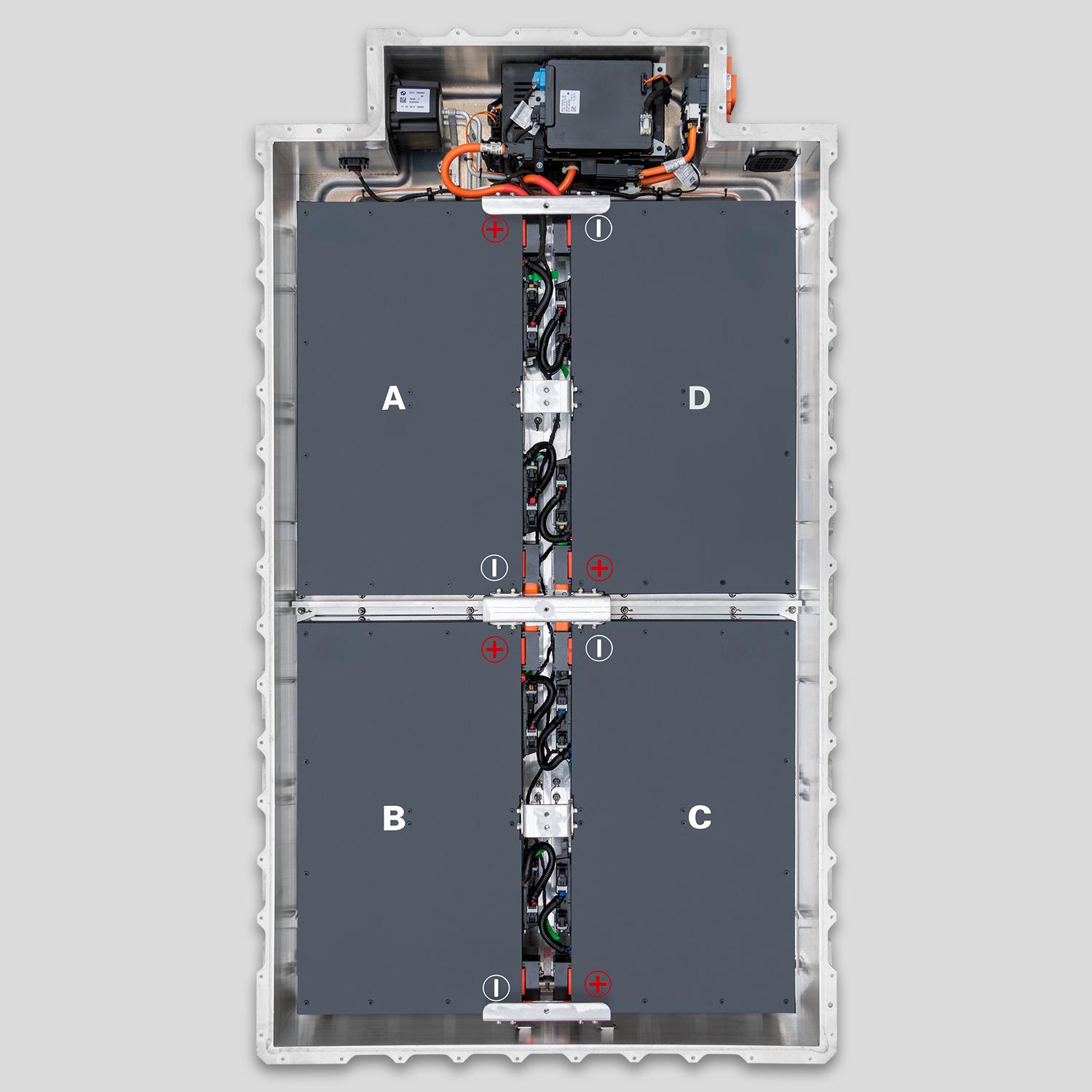
BMW i3 Battery Leak Detection: Professional Tools & Techniques – The Silent Killer You Can’t See
A 2016 BMW i3 rolls into your bay. The customer complains of intermittent “Charge Power Reduced” warnings and a faint, sweet chemical smell after long drives. There are no visible puddles on the floor. The scan tool shows no hard codes, just a history of thermal throttling events.
Your instinct might be to check the cooling pump or flush the system. But in the world of aging electric vehicles, this scenario often points to something far more dangerous: an internal high-voltage battery coolant leak.
Unlike a gasoline engine where a leak is messy and obvious, a leak inside a sealed BMW i3 battery pack is invisible, silent, and potentially catastrophic. The coolant used in these packs is electrically conductive. If it breaches the internal cooling plates and touches the 400V busbars, it doesn’t just make a mess; it creates a direct short circuit that can lead to thermal runaway, total battery destruction, or even a fire that standard extinguishers can’t stop.
How do you detect a leak that is hidden inside a sealed aluminum case?
What professional tools separate a guess from a confirmed diagnosis?
And once a leak is confirmed, why is “repairing” the seal impossible, making a complete upgrade the only safe solution?
At CNS BATTERY, we partner with top-tier independent shops to establish the highest standards in EV safety. We know that missing a battery leak is not just a diagnostic failure; it’s a liability nightmare. This guide details the professional tools and techniques for detecting BMW i3 battery leaks, explains how to interpret the subtle signs, and reveals why replacing a compromised pack with a certified upgrade is the only ethical path forward.
The Invisible Threat: Why Internal Leaks Are Different
In traditional cars, coolant leaks are external. In the BMW i3, the cooling system runs directly through the battery modules inside the sealed pack. Over 8-10 years, vibration, thermal cycling, and corrosion can cause:
- Micro-cracks in the internal cooling plates.
- Seal degradation between module layers.
- Corrosion perforation from road salt exposure on the pack exterior.
When these fail, coolant seeps inside the pack. Because the casing is sealed, the fluid has nowhere to go but onto the high-voltage components. It creates a conductive bridge, lowering insulation resistance and causing the BMS to throttle power or shut down completely to prevent a fire.
The Danger: You cannot see it. You cannot smell it until it’s severe. And you absolutely cannot ignore it.
The Professional Toolkit: Essential Gear for Detection
You cannot diagnose an internal battery leak with a basic OBDII scanner. You need specialized equipment designed for high-voltage systems and fluid analysis.
1. Digital Insulation Tester (Megohmmeter)
This is your primary diagnostic weapon. A leak introduces conductive fluid, dropping the insulation resistance between the HV system and the chassis.
- Requirement: Must be CAT III 1000V rated.
- Usage: Measures resistance in Megaohms (MΩ). A healthy pack reads >1 MΩ (often OL). A leaking pack drops rapidly, sometimes into the kΩ range.
2. UV Dye Injection Kit & Black Light
Since the leak is internal, you need to make the coolant visible.
- Technique: Inject fluorescent UV dye into the cooling loop. Run the pump to circulate it. If there is a breach, the dye will eventually seep out of the pack vents or service ports, glowing bright green under a high-intensity UV light.
3. Conductivity Meter
Not all coolants are the same. BMW uses specific low-conductivity coolant.
- Usage: Test the coolant sampled from the system. If conductivity is rising over time despite flushing, it indicates internal contamination (coolant mixing with electrolytes or metals inside the pack), signaling an active internal leak.
4. Thermal Imaging Camera
Internal shorts generate heat.
- Usage: Scan the battery pack surface while the car is under load or charging. A “hot spot” significantly hotter than surrounding areas can indicate an internal short circuit caused by fluid bridging cells.
5. Borescope (Endoscope)
For inspecting hard-to-reach areas around the pack casing, vent valves, and connector seals without full disassembly.
Step-by-Step: The Professional Leak Detection Protocol
Follow this rigorous workflow to confirm or rule out a battery leak safely.
Step 1: Safety Depower
- Disconnect the 12V auxiliary battery.
- Remove the High Voltage Service Plug (MSD).
- Wait 10 minutes for capacitor discharge.
- Verify 0 Volts at the main terminals before touching any connectors.
Step 2: Visual & Olfactory Inspection
- Smell the air around the rear seat and undercarriage. A sweet, syrupy odor is a strong indicator of ethylene glycol.
- Inspect the battery casing vents and seams for any sticky residue or crystallized coolant deposits. Even a tiny amount of dried fluid is a major red flag.
Step 3: Insulation Resistance Test (The Definitive Check)
- Disconnect the main HV cables from the battery pack to isolate it.
- Set your Megohmmeter to 500V DC.
- Measure resistance between HV+ and Chassis, then HV- and Chassis.
- Interpretation:
- > 1 MΩ (or OL): Pass. No significant leak detected.
- < 500 kΩ: Warning. Potential moisture or minor contamination.
- < 100 kΩ: CRITICAL FAIL. Confirmed conductive path. Highly likely an internal coolant leak. Do not energize the vehicle.
Step 4: UV Dye Verification (If Step 3 is Ambiguous)
- Reconnect HV (safely) and 12V.
- Add UV dye to the coolant reservoir.
- Run the electric coolant pump using a diagnostic tool (ISTA/BimmerLink) for 15-20 minutes.
- Shut down, depower, and inspect the pack exterior, vents, and connector areas with a UV light.
- Result: Any glowing fluid escaping the sealed case confirms an internal breach.
Step 5: Coolant Conductivity Analysis
- Drain a small sample of coolant.
- Test conductivity. If it exceeds factory specifications (typically < 5 µS/cm for new fluid) significantly, it suggests internal contamination from the battery chemistry, confirming a leak even if external signs are absent.
The Verdict: When a Leak Means “Total Loss”
If your tests confirm an internal leak (Low Insulation + UV Dye Escape + High Conductivity), the diagnosis is final: The battery pack is condemned.
Why Repair Is Impossible:
- Permanent Corrosion: Once conductive coolant touches the internal busbars and cell terminals, corrosion begins immediately. You cannot clean it thoroughly without dismantling the pack, which voids all safety certifications and exposes technicians to lethal risks.
- Sealed Unit: The pack is laser-welded and sealed at the factory. It cannot be reliably re-sealed in a standard shop environment.
- Liability: Attempting to “dry out” or patch a leaking HV pack is negligent. If that car catches fire two weeks later, your shop is liable for damages and potential injury.
The Only Safe Solution: Complete battery replacement.
The CNS BATTERY Solution: Turn a Disaster into a Upgrade Opportunity
When you deliver the news that a battery is internally leaked and unsafe, the customer faces a crisis. The dealer will quote $20,000+ for a remanufactured unit that may still have aging issues.
This is your moment to shine. Offer the CNS BATTERY High-Capacity Upgrade—a solution that is safer, better, and more affordable than the OEM alternative.
Why Upgrading Is the Smart Choice
- Guaranteed Leak-Free: Our BMW i3 Series Battery upgrades are brand-new, factory-sealed units with advanced cooling plate designs that eliminate the corrosion issues of 10-year-old OEM packs.
- Perfect Insulation: Every pack ships with certified insulation resistance values (>10 MΩ), ensuring zero risk of internal shorts.
- Plug-and-Play Safety: No risky disassembly of the old leaking pack. You swap the entire unit in 4-6 hours, minimizing technician exposure to hazardous fluids.
- Double the Range: Customers don’t just get a fixed car; they get 130–200+ miles of range, transforming their i3 into a modern, viable EV.
- Profitable Resolution: Secure an $8,000–$14,000 sale (parts + labor) with healthy margins. You solve a critical safety issue and earn a customer for life.
- Warranty Peace of Mind: Backed by our 3–5 Year Warranty, you eliminate the fear of future leaks or failures.
Real Story: From “Hidden Leak” to “Safe & Strong”
“Elite EV Solutions” in Denver recently diagnosed a 2015 i3 with intermittent faults. Standard scans were clear, but an insulation test showed dropping resistance (450 kΩ). They performed a UV dye test and found glowing fluid seeping from a microscopic crack near the service port.
“The dealer wanted $21,000 for a replacement,” says the shop owner. “We explained the leak made the pack a fire hazard and offered the CNS upgrade. We installed a 150 Ah unit the next day. The new pack tested at >5 MΩ. The customer paid $11,500, got 170 miles of range, and drove away safely. We turned a potential lawsuit into our best job of the quarter.”
Stop Guessing, Start Detecting
BMW i3 battery leak detection requires precision, the right tools, and the courage to condemn a unsafe pack. Do not gamble with high-voltage fluids.
Equip your shop with professional protocols, trust the data, and when a leak is found, offer the solution that guarantees safety and performance.
Is your shop ready for professional EV leak diagnostics?
Don’t risk safety or reputation. Contact CNS BATTERY today to become a certified partner. Access our technical guides, wholesale pricing, and training, and start turning dangerous leaks into profitable, safe upgrades.
👉 Become a Certified Diagnostic Partner Today
Frequently Asked Questions (FAQ) for Technicians
1. What is the most reliable way to detect an internal BMW i3 battery leak?
The most reliable method is a combination of a Digital Insulation Test (Megger) showing low resistance (<500 kΩ) and a UV Dye Test where fluorescent dye escapes the sealed pack casing. Rising coolant conductivity is also a strong secondary indicator.
2. Can I repair a leaking BMW i3 battery pack?
No. An internal leak compromises the electrical integrity of the entire pack. Corrosion on internal busbars is irreversible in a shop setting. Attempting to repair it is unsafe and creates massive liability. The pack must be replaced.
3. What insulation resistance value indicates a leak?
While BMW specifies a minimum of 500 kΩ/V, in practice, any reading below 1 MΩ warrants investigation. Readings below 100 kΩ confirm a critical conductive path, almost certainly due to internal coolant leakage.
4. Is the coolant in a BMW i3 conductive?
Yes, especially when contaminated. While fresh EV coolant is designed to be low-conductivity, it becomes highly conductive when mixed with impurities, metal ions from corrosion, or battery electrolytes. Inside a pack, even “fresh” coolant bridging 400V terminals is dangerous.
5. How long does it take to replace a leaking pack with a CNS BATTERY upgrade?
A complete swap takes 4-6 hours. Since our units are pre-assembled and sealed, there is no need to open the pack or handle internal components, making the process faster and safer than attempting repairs.
6. Does CNS BATTERY provide insulation test reports?
Yes. Every upgrade undergoes rigorous quality control, including insulation resistance testing, before shipping. We provide documentation confirming the pack meets or exceeds all safety standards.
7. What PPE is required for leak detection?
Technicians must wear Class 00 insulated gloves, face shields, and chemical-resistant apron/gloves when handling coolant. Always assume the fluid is electrically live until proven otherwise by a Megger test.