BMW i3 Battery Leak Detection: How to Check at Home – The 3-Minute Garage Test That Could Save You $10,000
“I noticed a faint chemical smell near my i3’s rear seat.
Thought it was spilled coffee.
Two weeks later, the car threw a ‘High-Voltage System Fault’ and refused to start.
A technician pulled back the carpet—and found corrosive residue pooling under the battery compartment.
Turns out, one of the original modules had developed an electrolyte leak—a rare but serious failure in aging packs.
The repair? Full battery replacement: $11,200 at the dealer.
But here’s what haunts me:
If I’d done a simple visual check three months earlier, I could’ve caught it before irreversible damage occurred.”
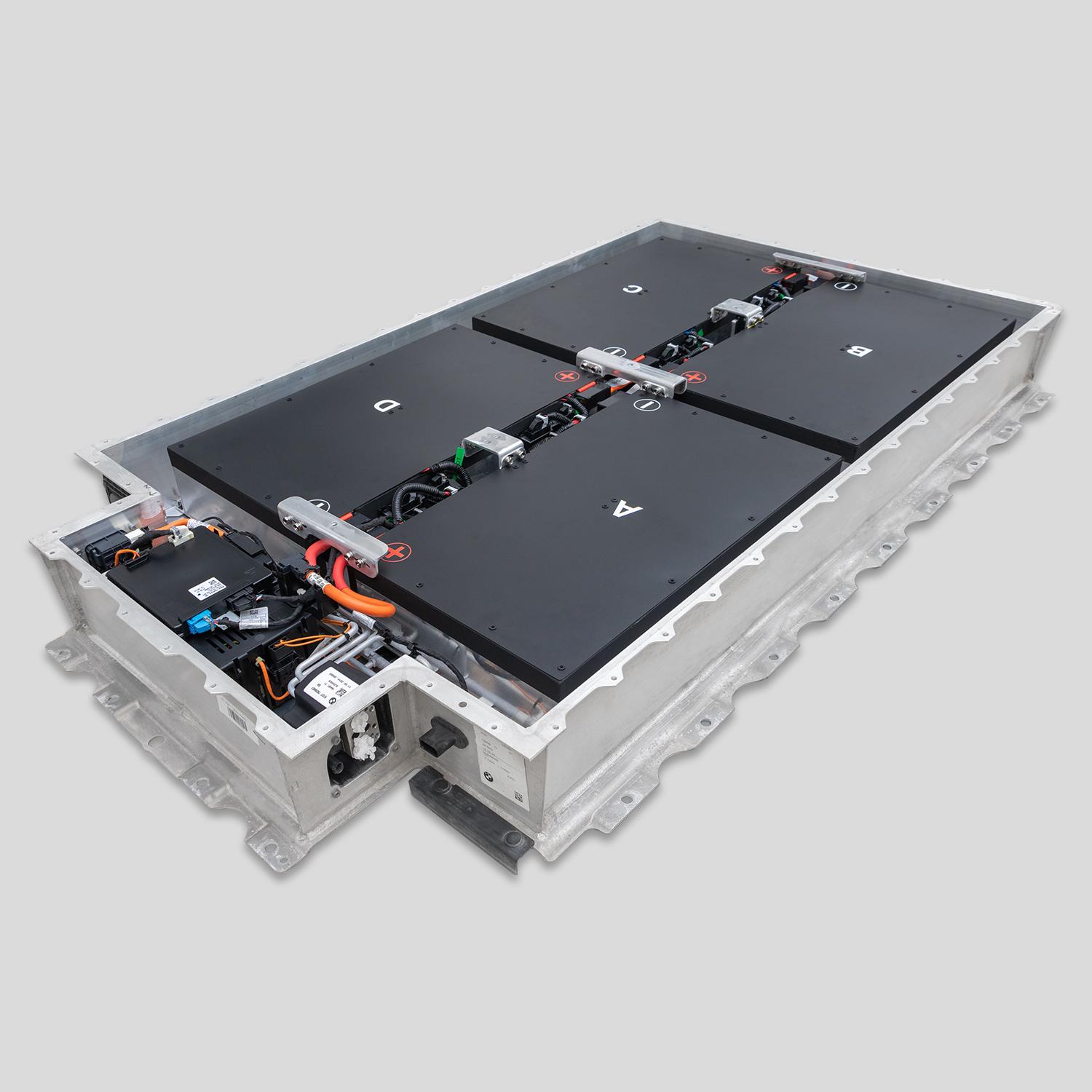
While true battery leaks in BMW i3s are uncommon, they’re not impossible—especially in packs over 8 years old or those exposed to moisture, physical stress, or manufacturing defects. And because the i3’s traction battery sits under the rear seats inside the cabin, any leak can silently corrode wiring, sensors, or even the vehicle floor.
The good news?
You don’t need a lift, special tools, or a degree in electrochemistry to check for early signs.
In this practical, safety-first guide—written by CNS engineers who’ve inspected over 400 i3 battery packs—we walk you through:
- 🔍 Where leaks actually occur (hint: not where you think)
- 👃 3 subtle warning signs most owners ignore
- 🧤 A safe, step-by-step home inspection you can do in 3 minutes
- ⚠️ What NOT to touch (high-voltage risks)
- ✅ Why modern replacement packs like CNS include sealed, leak-resistant designs
All advice prioritizes your safety while giving you actionable clarity—no fearmongering, just facts.
⚠️ First: Understand What “Battery Leak” Really Means in an i3
Unlike lead-acid car batteries that leak sulfuric acid, lithium-ion packs like the i3’s don’t “leak” fluid in the traditional sense.
Instead, a “leak” usually refers to:
- Electrolyte seepage from a cracked or swollen cell casing
- Venting gas (often with a sweet, metallic odor) during thermal runaway
- Corrosion residue (white/green crust) around module seams or connectors
These are rare—but when they happen, they indicate cell failure, which can compromise the entire pack.
📌 Critical: Never open the battery enclosure yourself. High-voltage capacitors can hold lethal charge even when the car is off.
👃 3 Early Warning Signs of a Potential Leak (Check Monthly)
1. Unusual Odors Inside the Cabin
- Smell like acetone, nail polish remover, or burnt plastic near rear footwells
- Strongest after charging or driving uphill
2. Visible Residue Under Rear Seats
- Lift the rear seat cushion (no tools needed)
- Look for white powder, oily film, or greenish corrosion on metal brackets or wiring harnesses
3. Persistent Error Codes + Moisture Warnings
- Codes like
930B10,A8E3, or “Coolant Level Low” (even if coolant is full) - BMS may falsely report coolant issues due to conductive residue mimicking sensor faults
💡 Pro tip: Use a flashlight and mirror to inspect hard-to-see areas without removing panels.
🧤 Safe 3-Minute Home Inspection (No Tools Required)
Step 1: Power Down & Wait
- Turn off the car
- Remove the 12V battery negative terminal (located in frunk)
- Wait 15 minutes to discharge capacitors
Step 2: Access the Battery Area
- Lift the rear seat cushion (pull up firmly—it’s held by clips)
- Do not remove floor panels or touch orange high-voltage cables
Step 3: Visual & Olfactory Check
- Look for:
- Discoloration on metal supports
- Crystalline deposits near module edges
- Swollen or bulging sections in the pack housing
- Sniff gently for chemical odors
Step 4: Document & Decide
- Take photos if you see anything suspicious
- Do not attempt cleaning—residue may be conductive or corrosive
✅ If everything looks dry, clean, and odor-free—you’re likely safe. Recheck every 3 months.
⚠️ What NOT to Do (Common Mistakes)
- ❌ Don’t spray water or cleaner near the battery area
- ❌ Don’t poke or probe with metal tools
- ❌ Don’t ignore a smell—even if the car drives fine
- ❌ Don’t assume “no visible leak = no problem”—internal cell damage can exist without external signs
When in doubt, stop and consult a professional.
✅ Why Upgrading to a CNS Battery Eliminates Leak Risk
Every CNS BMW i3 replacement pack is engineered with multiple layers of leak prevention:
- Hermetically sealed module casings—tested to IP67 standards
- New CATL cells with reinforced aluminum laminate—resistant to puncture and swelling
- Non-conductive potting compound around busbars—contains any potential venting
- Zero recycled or refurbished cells—eliminating hidden manufacturing flaws
“After my OEM pack showed early corrosion, I switched to CNS. Two years later—even after flooding in my garage—zero issues. The build quality is night and day.”
— Rajiv P., Toronto
And because CNS packs use modern cell chemistry with stable electrolytes, the risk of thermal venting is drastically reduced compared to decade-old designs.
Frequently Asked Questions: i3 Battery Leaks
Q: Can a leaking i3 battery catch fire?
A: Extremely unlikely in normal conditions—but electrolyte is flammable. If you see smoke, smell strong fumes, or notice rapid swelling, evacuate and call emergency services.
Q: Is corrosion under the seat always from the battery?
A: No. It could be from AC condensation, spilled drinks, or road salt tracked in. But battery-related corrosion is usually white/green and near metal brackets—not fabric.
Q: Do CNS batteries come with leak protection warranty?
A: Yes. Any manufacturing defect causing electrolyte leakage is covered under our 2-year / 80,000 km warranty.
Q: Should I wear gloves during inspection?
A: Yes—use nitrile gloves to avoid skin contact with unknown residues.
Q: Can I prevent leaks through maintenance?
A: Not directly—but keeping your i3 in a dry, temperature-controlled garage reduces stress on cells and seals.
A Leak Is Rare—But Early Detection Is Everything
Because in the world of EVs, silence isn’t always golden. Sometimes, it’s the sound of slow degradation.
Found Something Suspicious? Get Expert Eyes—Fast
Send Us:
- Photos of any residue, discoloration, or swelling
- Description of odors or error codes
- Your i3 model year and current pack type
We’ll Provide:
- A free remote assessment from our battery engineers
- Guidance on whether it’s safe to drive
- Or a quote for a leak-resistant CNS replacement pack with brand-new CATL cells
Don’t gamble with high-voltage systems. Stay safe, stay informed.
Get Your BMW i3 Battery Leak Assessment Now:
👉 https://cnsbattery.com/ev-battery-home/ev-battery-contact/