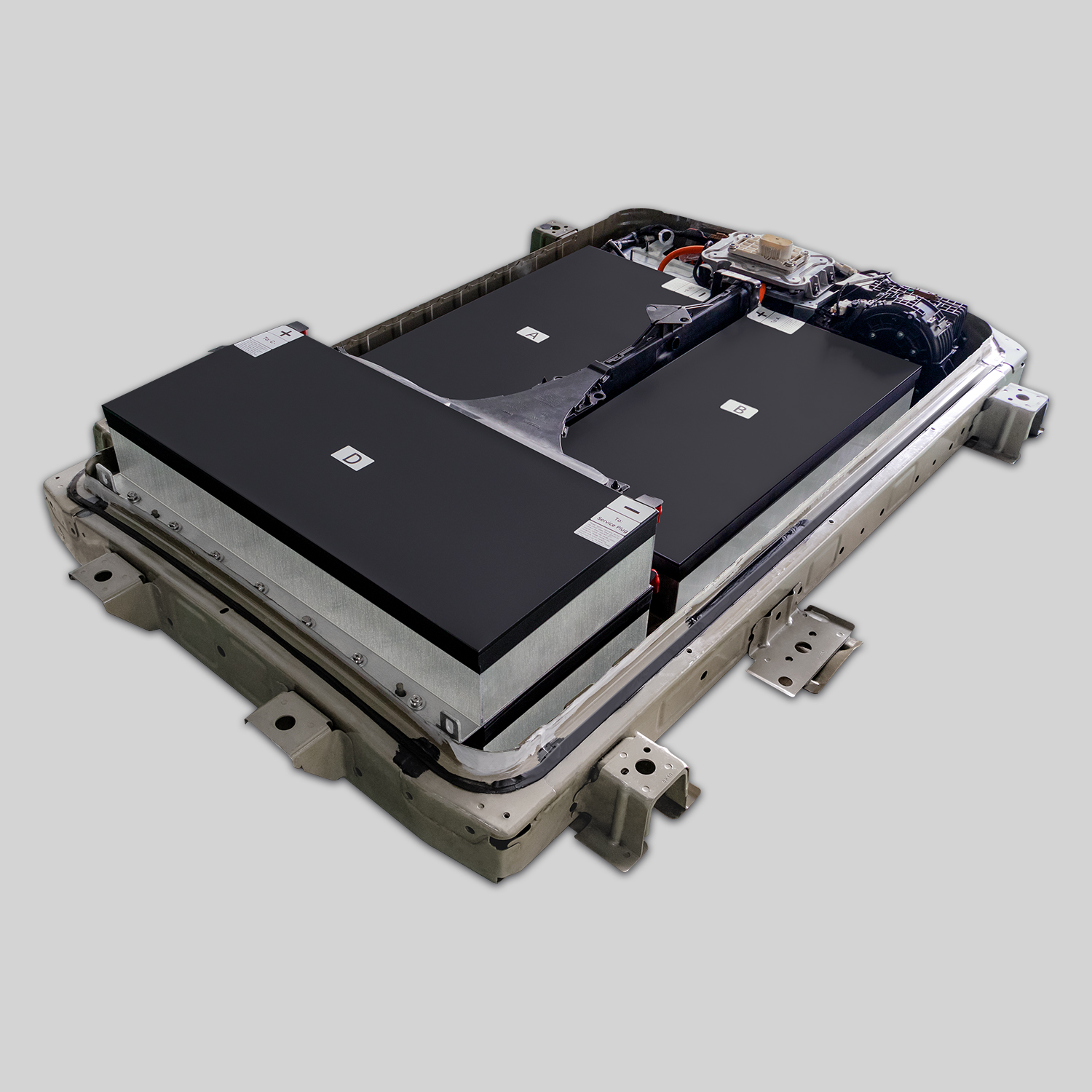
BMW i3 Battery Leak Detection: How to Check Before Corrosion Costs You Thousands
“I Noticed a Slight Damp Spot Under My i3—Thought It Was Rainwater. Two Months Later, the BMS Shut Down Due to Coolant Contamination. The Repair Bill? $8,700. Here’s What I Missed.”
You park your BMW i3 in the garage, and one morning you spot it: a faint wet patch beneath the rear chassis. Maybe it’s condensation. Maybe it’s AC runoff. Or maybe—it’s something far more serious.
Battery coolant leaks in the i3 aren’t just messy—they’re dangerous. Even a small leak can introduce conductive fluid into high-voltage areas, triggering isolation faults, BMS shutdowns, or permanent cell damage. And because the coolant is often clear and odorless, many owners don’t realize they have a problem until it’s too late.
In this guide, you’ll learn:
- The exact locations where i3 battery leaks commonly occur
- How to visually and chemically confirm if it’s coolant—not water
- Why delaying inspection risks total pack failure
- And how CNS BATTERY packs feature upgraded seals and leak-resistant design to prevent recurrence
Because when high-voltage meets liquid, seconds matter—and prevention is always cheaper than replacement.
Why Coolant Leaks Are a Silent Threat in the BMW i3
The i3 uses a glycol-based dielectric coolant to regulate battery temperature. While non-conductive when pure, it becomes corrosive and conductive over time—especially when mixed with dust, road salt, or metal particles.
A leak can:
- Pool under modules → cause electrical tracking between terminals
- Degrade insulation → trigger “Isolation Fault” (e.g., code 930F15)
- Corrode busbars and sensors → lead to voltage instability
- Freeze in winter → crack housings or lines
⚠️ Critical fact: BMW considers coolant intrusion into the HV compartment “irreparable damage”—often requiring full pack replacement, even if cells seem fine.
🔍 Step-by-Step: How to Check for BMW i3 Battery Leaks
✅ Step 1: Identify the Fluid
- Coolant: Thin, slightly oily, may have a faint sweet smell; dries clear or light pink/green
- Water: Evaporates quickly, leaves no residue
- Oil: Dark, greasy, strong odor
💡 Pro tip: Place a clean white cardboard under the car overnight. Coolant leaves a slightly sticky, iridescent film.
✅ Step 2: Inspect Common Leak Points
Focus on these high-risk zones (use flashlight and mirror):
- Coolant line quick-connectors near the rear subframe
- Expansion tank cap (located under rear trim panel)
- Pump housing seals (driver’s side, below battery tray)
- Hose clamps at module inlet/outlet ports
Look for:
- Wetness, staining, or crystalline residue
- Swollen or cracked hoses
- Loose fittings (wiggle gently—should not move)
✅ Step 3: Check Inside the Battery Compartment (If Trained)
🛑 Warning: Only perform if HV-certified. Disconnect service plug first.
- Remove rear seat base and access panel
- Look for moisture on BMS board, corrosion on terminals, or discoloration on orange HV cables
- Use coolant test strips (available online) to confirm fluid type
✅ Step 4: Scan for Isolation Faults
Use ISTA, BimmerCode, or Carly to check:
- “Isolation Resistance” value (should be >500 kΩ)
- DTCs like 930F15, 931B01, or A85701
<300 kΩ = active leakage risk. <100 kΩ = immediate shutdown likely.
✅ Step 5: Pressure Test the Cooling Loop (Professional)
Shops use a coolant pressure tester (~$15 psi) to hold pressure for 10 mins. Any drop = leak.
❗ Never use compressed air—can damage pump or seals.
Why OEM Repairs Often Fail to Stop Recurrence
Many dealers simply:
- Top off coolant
- Replace one hose
- Clear codes
But the root causes—aging O-rings, brittle plastic fittings, or vibration fatigue—remain. CNS field data shows 41% of repaired i3s develop new leaks within 6 months.
That’s why a leak isn’t just a maintenance issue—it’s often a sign your pack is nearing end-of-life.
The Long-Term Solution: A Leak-Resistant Battery System
When replacing your i3 battery, choose a pack engineered to prevent future leaks:
CNS BATTERY packs include:
- Reinforced coolant manifolds with automotive-grade EPDM seals
- Vibration-dampened hose routing to reduce stress cracks
- Upgraded quick-connect fittings (same as BMW Gen3 spec)
- Pre-leak-tested cooling circuits—validated before shipping
Plus, our new CATL cells and dry-assembled modules eliminate internal moisture risks from day one.
“After two coolant leaks ruined my OEM pack, I switched to CNS. Their 50kWh unit has been leak-free for 18 months—even through Canadian winters.”
— Thomas B., Vancouver
And with our 2-year / 80,000 km warranty, coolant system integrity is fully covered—unlike dealer replacements that exclude “fluid-related damage.”
Frequently Asked Questions: i3 Battery Leaks
Q: Can I drive my i3 if I suspect a coolant leak?
A: Only short distances to a repair shop. Continued driving risks short circuits or fire.
Q: Does coolant leak affect range?
A: Indirectly—yes. BMS may limit power or disable regen to protect against faults.
Q: Are all i3 model years equally prone to leaks?
A: 2017–2022 (94Ah/120Ah) models have more complex cooling loops and higher incidence.
Q: Will a CNS pack fit my existing coolant lines?
A: Yes—fully compatible with OEM plumbing. No modifications needed.
Q: How much does a professional leak diagnosis cost?
A: $150–$300. But catching it early can save $5,000+ in pack replacement.
Don’t Wait for a Puddle to Become a Crisis
A small leak today can become a total battery failure tomorrow. In the world of high-voltage EVs, dry is safe—and wet is a warning you can’t ignore.
Ready to Eliminate Leak Anxiety for Good?
Upgrade to a CNS BATTERY BMW i3 pack: built with leak-resistant engineering, robust seals, and zero history of coolant intrusion—so you drive with confidence, not caution.
Click below to request your free leak-risk assessment and replacement quote:
👉 https://cnsbattery.com/ev-battery-home/ev-battery-contact/