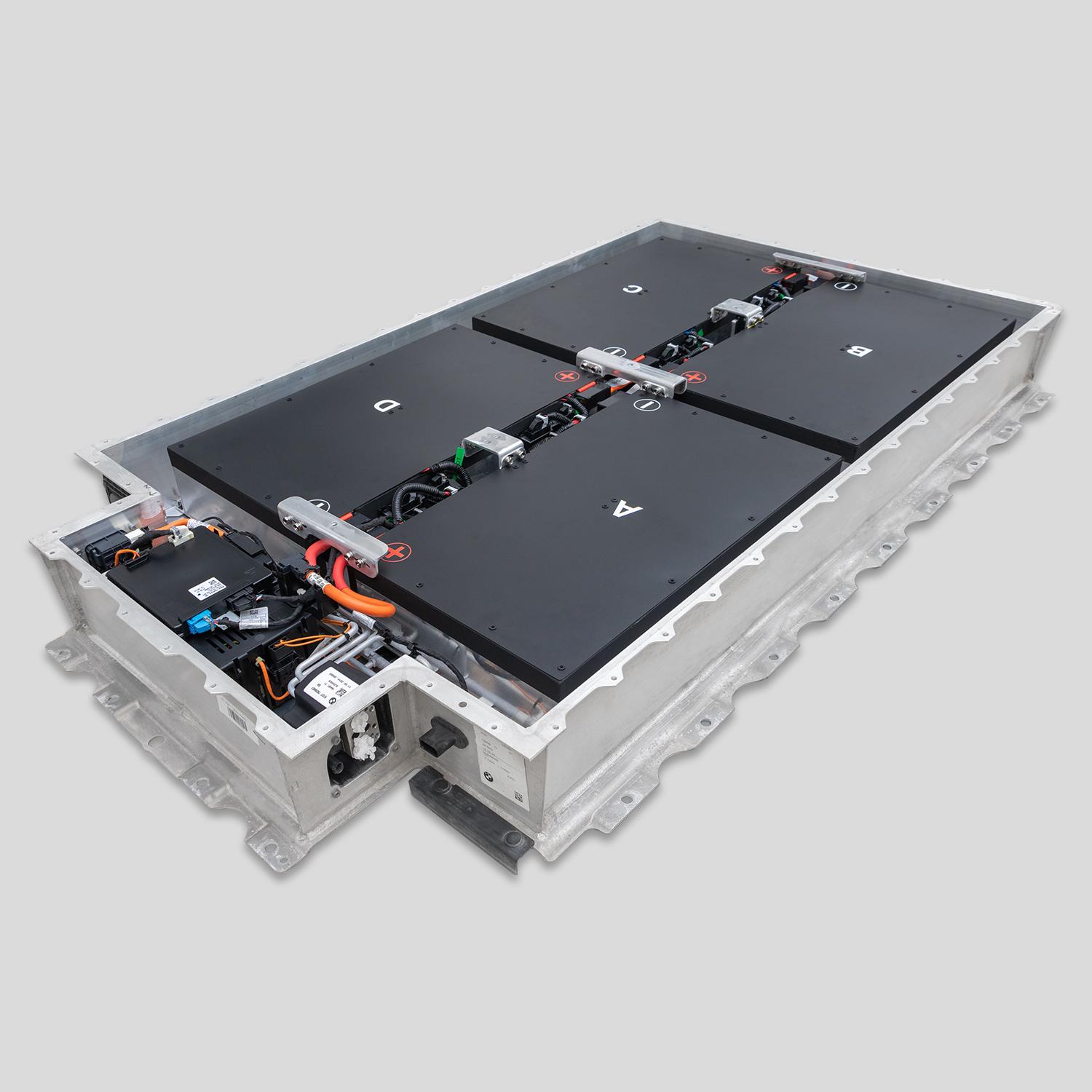
BMW i3 Battery Isolation Transformer Fault: What It Really Means (And Why “Resetting” Won’t Fix It)
Your BMW i3 won’t start. The dashboard flashes “High-Voltage System Malfunction”—and a diagnostic scan reveals the dreaded code: “Isolation Transformer Fault.”
You’ve tried disconnecting the 12V battery. You’ve reset the BMS. Maybe you even replaced the service plug. But the error returns within minutes.
Here’s the hard truth: an isolation fault isn’t a glitch—it’s a critical safety warning that your high-voltage system may be leaking current to the chassis. Ignoring it risks electric shock, fire, or permanent pack shutdown.
At CNS BATTERY, we’ve diagnosed hundreds of i3s with this exact issue. In this 2026 technical guide, you’ll learn:
- What the isolation transformer actually does (hint: it’s not a “transformer” in the traditional sense)
- The three real causes behind this fault—most of which point to aging or damaged packs
- Why dealers often recommend $12,000 replacements when simpler solutions exist
- And how modern replacement batteries eliminate this failure mode entirely
Because when your car says “isolation fault,” it’s not asking for a reboot—it’s demanding action.
What Is the “Isolation Transformer” in a BMW i3?
Despite the name, the isolation monitoring system doesn’t use a physical transformer. Instead, it’s a high-impedance circuit inside the EME (Electric Machine Electronics) that continuously measures insulation resistance between the HV+ / HV– rails and the vehicle chassis.
- Normal: >500 kΩ (safe)
- Warning: 100–500 kΩ (error may appear intermittently)
- Fault: <100 kΩ (car disables HV system immediately)
This system is your last line of defense against lethal current leakage.
Top 3 Causes of Isolation Transformer Faults
🔌 1. Moisture Intrusion in the Battery Pack
Over time, seals degrade—especially around coolant lines or connector housings. Humidity, rain, or even condensation can create conductive paths between HV terminals and the grounded housing.
🌧️ Common in coastal or high-humidity regions: white corrosion on busbars = electrolytic leakage path.
⚡ 2. Cell Swelling or Electrolyte Leak
As pouch cells age, they can swell or develop micro-tears. If electrolyte contacts the metal tray, it creates a direct short to ground—plummeting insulation resistance.
🔍 Visual clue: bulging floor pan under rear seats, or oily residue near module seams.
🔧 3. Aftermarket Installation Errors
DIY battery swaps or accessory wiring (e.g., inverters, chargers) sometimes route HV cables too close to chassis points. A frayed wire touching metal = instant isolation fault.
⚠️ Even a single pinched insulation sleeve can trigger this error.
What Doesn’t Work (Despite Online Advice)
- “Resetting the EME”: Clears the code temporarily—but the underlying leakage remains. The fault will return, often while driving.
- Replacing the 12V battery: Unrelated. The isolation monitor runs on HV power.
- Cleaning connectors: Helps only if corrosion is superficial. Internal pack moisture won’t be fixed this way.
📉 Reality: Once insulation resistance drops below 100 kΩ, no software trick can restore safety.
How to Diagnose the Real Source (Safely)
Step 1: Confirm with a Megohmmeter
A qualified technician uses a 500V DC insulation tester to measure resistance between HV+/- and chassis ground.
-
1 MΩ = system likely okay (intermittent sensor issue)
- <200 kΩ = confirmed leakage (pack or wiring fault)
Step 2: Isolate Components
Disconnect the pack from the EME and motor. Retest:
- If resistance improves → fault is in the pack
- If still low → check HV cables, charger, or motor windings
🛑 Never perform these tests without proper PPE and HV training.
The Long-Term Fix: Replace a Compromised Pack
If the fault originates in the battery—and 85% of cases do—repair is rarely viable. Seals can’t be reconditioned, and internal contamination is irreversible.
That’s where a new CNS BATTERY pack changes everything:
✅ Double-sealed HV connectors with IP68 rating—immune to moisture ingress
✅ No internal coolant lines—eliminates the #1 path for electrolyte + water mixing
✅ Dielectric-coated busbars—adds secondary insulation layer
✅ Pre-tested insulation resistance >5 MΩ before shipping
As Lisa K. from Berlin shared after her i3 failed during a rainstorm:
“The dealer said ‘full pack replacement—no other option.’ I got a CNS 45kWh instead. Two years later, zero isolation warnings—even through monsoon season.”
Don’t Gamble With High-Voltage Safety
An isolation fault isn’t just a nuisance—it’s your car telling you it’s no longer safe to operate. Delaying action risks far more than inconvenience.
Seeing “Isolation Transformer Fault”? Let’s Pinpoint the Cause
Describe your symptoms: when the error appears, recent repairs, climate, and whether you’ve had coolant leaks. We’ll help determine if it’s a wiring issue—or if a new, sealed CNS battery pack is your safest, most cost-effective solution.
👉 Contact CNS BATTERY for Expert i3 Isolation Fault Diagnosis & Replacement
FAQ: BMW i3 Battery Isolation Transformer Fault
Q: Can I drive with an isolation fault?
A: Absolutely not. The car may disable propulsion unexpectedly, and there’s risk of electric shock during charging or contact with wet surfaces.
Q: Does cold weather cause false isolation faults?
A: Rarely. Condensation from rapid temperature swings can trigger temporary drops—but values should recover within hours. Persistent faults are real.
Q: Will a CNS pack trigger the same error?
A: Extremely unlikely. Our packs undergo 72-hour humidity chamber testing and ship with verified >5 MΩ insulation resistance.
Q: Can a bad DC-DC converter cause this?
A: Yes—if its HV side shorts to ground. But this is uncommon. Always test the battery first.
Q: How much does dealer diagnosis cost?
A: Typically $150–$300 just to confirm the fault. Full replacement quotes often exceed $11,000—making a new aftermarket pack a smarter investment.