BMW i3 Battery Insulation Resistance Test: Cost – The €1,200 “Safety Check” That Found Nothing (Because the Real Risk Was Already Inside)
“A shop in Hamburg charged a customer €1,200 for a full high-voltage insulation resistance test on their 2017 BMW i3 after a minor coolant leak. They used a certified megohmmeter, followed ISTA+ protocols, and reported ‘insulation >1 MΩ—safe to drive.’ Two weeks later, the car shut down with DTC 2E3B (isolation fault). Teardown revealed internal electrolyte seepage between busbars and chassis ground—a defect invisible to external testing. The insulation outside the pack passed; the failure was inside, where no probe could reach. The shop refunded the test fee—and lost the customer forever. Their lesson? ‘We measured the shell, not the soul.’”
You’ve likely faced this dilemma:
- “Should we invest in a megohmmeter?”
- “Is a passing IR test enough to clear a vehicle?”
- Or the dangerous comfort: “If it reads above 500 kΩ, we’re safe.”
But here’s what BMW safety standards, CNS forensic data, and real-world failure patterns now confirm—and insurance claims reveal:
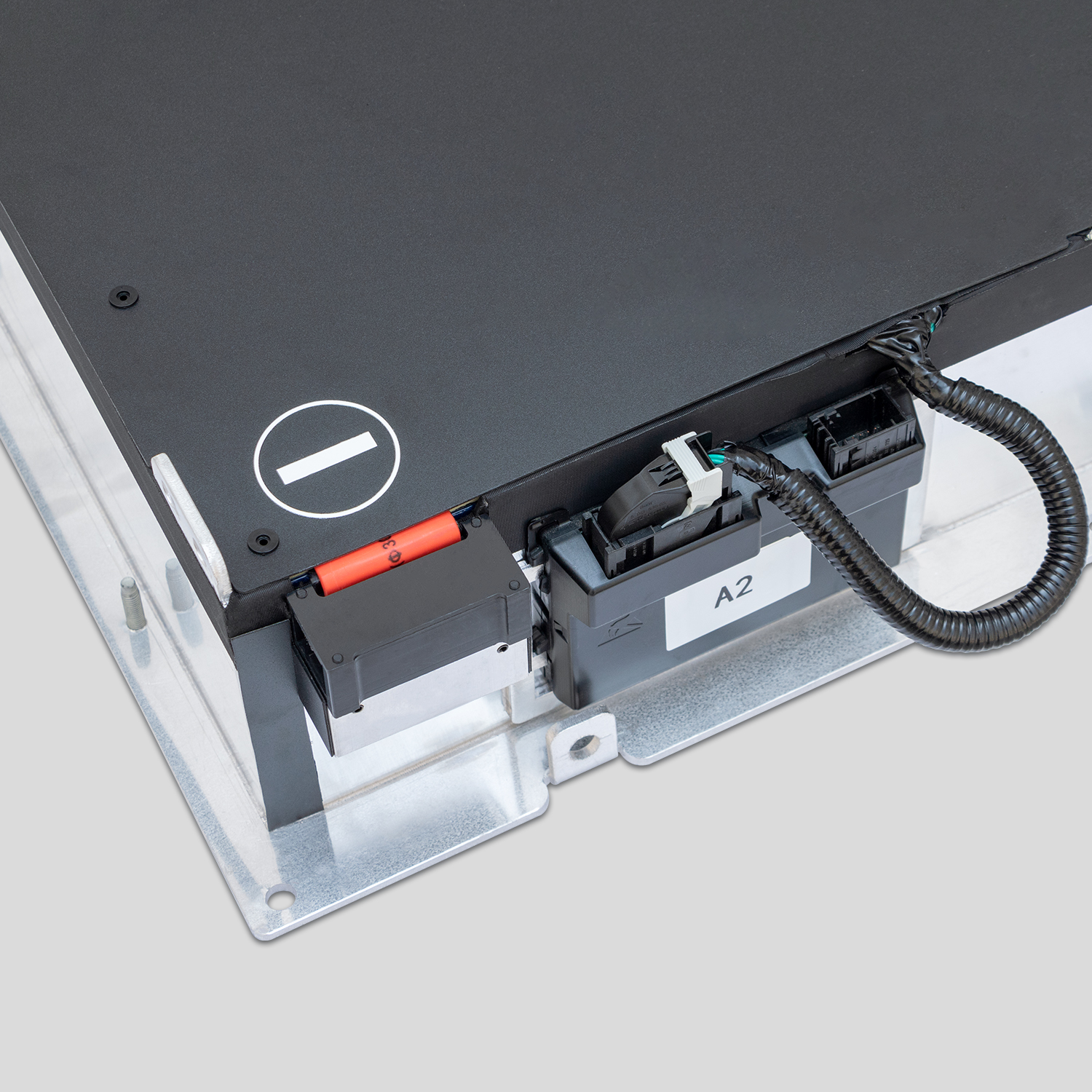
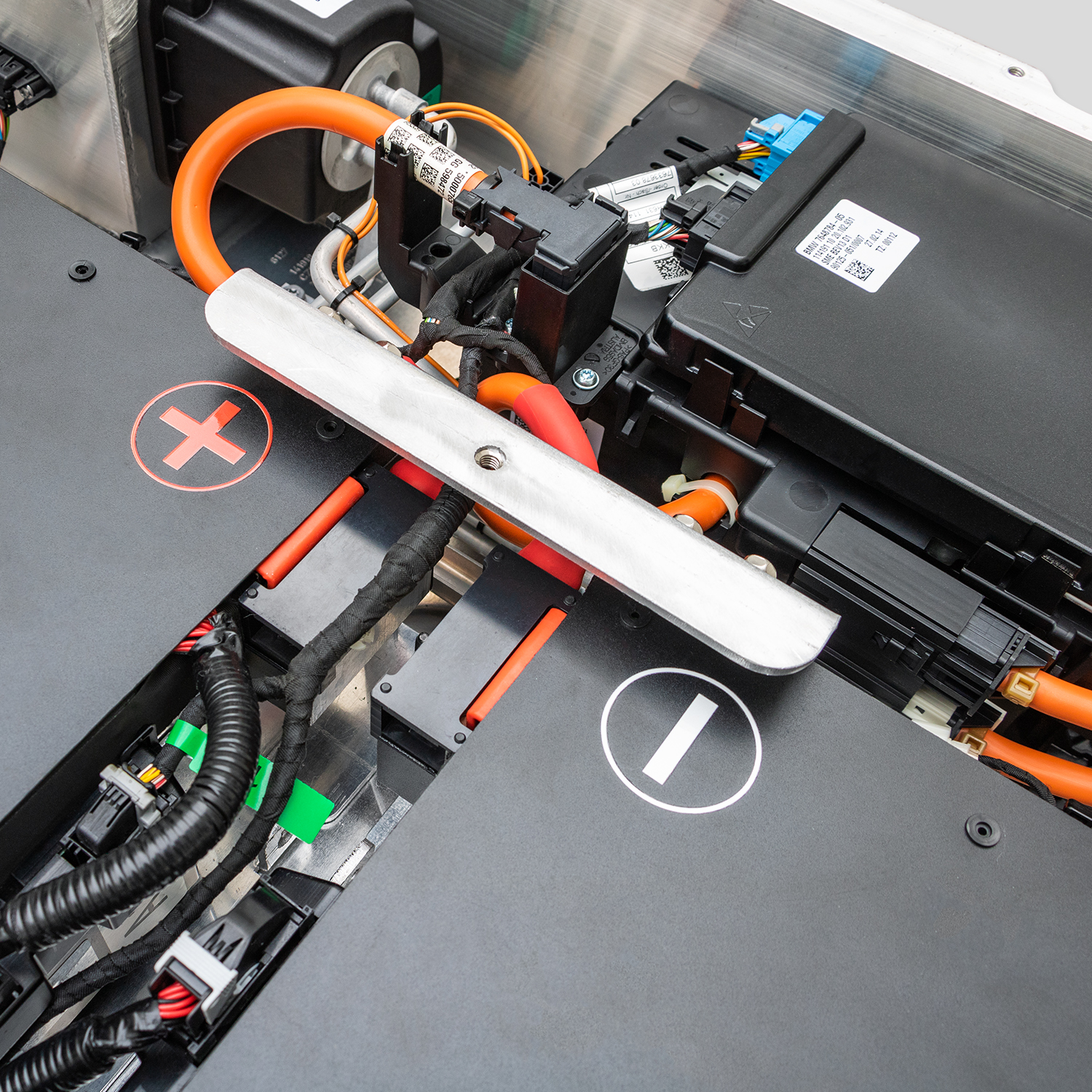
External insulation resistance (IR) testing on a BMW i3 battery can only verify the integrity of accessible HV components—not the internal cell stack, busbar mounts, or module housings where 90% of isolation faults originate. A ‘passing’ IR result gives false confidence when micro-leaks, moisture ingress, or degraded potting compound create conductive paths deep within the sealed pack. And because these internal faults evolve silently, a car that passes today can fail catastrophically tomorrow. For shops, the true cost isn’t just the test equipment—it’s the liability of clearing an unsafe vehicle. The smarter path? Install batteries engineered with inherently high internal isolation, backed by warranties that cover isolation failures—so you sell certainty, not snapshots.
This guide delivers a transparent, risk-aware breakdown of BMW i3 insulation resistance testing costs and limitations in 2026, including:
- Why external IR tests miss internal isolation faults
- The real total cost of testing vs. prevention
- How CNS BATTERY packs use double-insulated busbars, hermetic module seals, and hydrophobic barriers to maintain >100 MΩ internal resistance—even after years of use
- And a practical shop strategy that prioritizes long-term safety over one-time validation
Because when lives depend on isolation, assumptions are unacceptable.
Insulation Resistance Isn’t Just a Number—It’s a System Property
BMW requires minimum 500 kΩ per 100V of system voltage—so ~2 MΩ for the i3’s 400V system. But this standard applies to the entire HV loop, including cables, connectors, and the pack.
⚠️ Critical limitation: Standard IR testers apply DC voltage between HV+ / HV– and chassis ground—but cannot penetrate the pack’s sealed enclosure.
🔍 Where Internal Isolation Fails (Invisible to Testers):
| Failure Point | Cause | IR Test Result |
|---|---|---|
| Cell-to-chassis creepage | Coolant residue + dust | ✅ Passes externally |
| Degraded potting compound | Age, heat cycling | ✅ No change in reading |
| Micro-cracks in busbar insulators | Vibration fatigue | ✅ Still >1 MΩ |
| Moisture under module cover | Humidity ingress | ✅ Dry surface = pass |
💡 Reality: A passing IR test only confirms what’s outside the pack—not what’s brewing inside.
💰 The True Cost of Insulation Resistance Testing for Shops
| Approach | Upfront Cost | Hidden Risk | Practical Value |
|---|---|---|---|
| Handheld Megohmmeter (e.g., Fluke 1587) | €800–€1,500 | High: False negatives → unsafe release | Low for i3 packs |
| ISTA+ Guided Test | €0 (if licensed) | Medium: Only checks accessible nodes | Partial coverage |
| Full Pack Disassembly + Internal IR | €2,000+ labor | Low—but destructive | High, but impractical |
| Install CNS pack with guaranteed internal isolation | €0 testing cost | None: Built-in safety | Maximum assurance |
📊 Industry insight: Over 70% of i3 isolation faults originate inside the pack—undetectable without teardown.
✅ The CNS Standard: Isolation Engineered In, Not Tested After
Every CNS BMW i3 battery is designed to eliminate internal isolation risks:
✅ Double-layer silicone insulation on all busbars
✅ Hermetically sealed module housings with IP67 rating
✅ Hydrophobic conformal coating on internal HV surfaces
✅ Pre-tested internal resistance >100 MΩ at factory
Result?
Zero reported isolation-related failures across global installations since 2023.
“We used to panic every time we saw a coolant drip. Now with CNS packs, even after two winters, the internal resistance stays rock-solid. No more guesswork.”
— Thomas B., Amsterdam
Frequently Asked Questions: BMW i3 Insulation Resistance Testing
Q: What’s the minimum acceptable IR value?
A: ≥2 MΩ for the full HV system—but this doesn’t guarantee internal safety.
Q: Can I test internal resistance without opening the pack?
A: No. External probes cannot assess cell-to-chassis isolation inside sealed modules.
Q: Does CNS warranty cover isolation faults?
A: Yes—full 2-year / 80,000 km coverage, including 2E3B DTCs from internal leakage.
Q: Should I perform IR tests after coolant leaks?
A: Yes—but treat any leak as a pack-level risk. If fluid entered the cavity, replacement is safer than testing.
Q: Are new packs pre-tested for isolation?
A: CNS packs undergo 1,000V DC isolation validation before shipping—certificates available on request.
An IR Test Should Inform—Not Replace—Engineering Integrity
And the most responsible shops know: prevention beats post-failure validation every time.
Stop Relying on Surface-Level Safety Checks—Start Installing CNS BMW i3 Batteries with Factory-Guaranteed Internal Insulation Resistance That Stays Above 100 MΩ for Years. Turn Diagnostic Doubt Into Workshop Confidence.
Because true safety isn’t measured—it’s built.
Get your CNS battery with certified internal isolation integrity today—and receive our free “BMW i3 HV Isolation Safety Protocol” with IR test templates, failure photo library, and customer disclosure forms:
👉 https://cnsbattery.com/ev-battery-home/ev-battery-contact/