BMW i3 Battery Insulation Replacement: Step-by-Step – Why Tearing Open the Pack Is Almost Always the Wrong Move (And What Top Shops Do Instead)
“A technician in Copenhagen removed an i3 battery after a DTC 93A100—‘Insulation Fault.’ He disassembled the pack, replaced the pink foam between modules, and resealed it. Two days later, the fault returned. Lab analysis showed moisture had entered through imperfect resealing, causing surface tracking on busbars. The real issue wasn’t missing insulation—it was compromised housing integrity.”
You see:
- “High-Voltage System Malfunction” warning
- DTCs like 93A100 or 93A101
- Failed insulation resistance tests (<1 MΩ)
And you assume the answer is simple: replace the insulation.
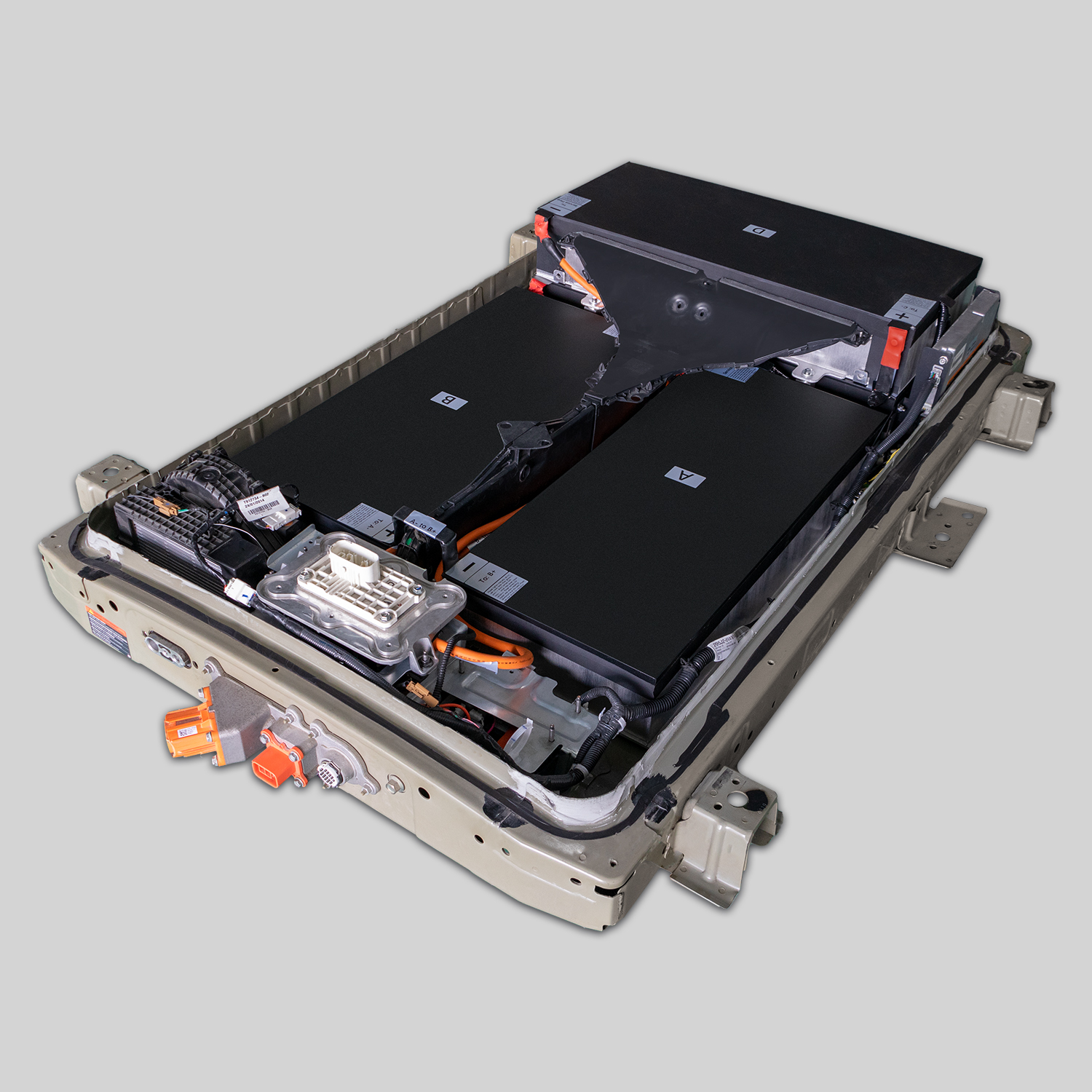
But in the BMW i3, the pink dielectric foam isn’t the primary insulator—it’s just one layer in a multi-barrier safety system. The real insulation comes from cell casings, busbar coatings, module housings, and the sealed pack enclosure itself. Tampering with internal components without a controlled environment often makes things worse.
This guide reveals the professional, field-safe approach used by certified EV shops in 2026—not to “repair” insulation, but to diagnose its true failure mode and choose the only reliable fix:
- Why external factors (water, coolant, dirt) cause 95% of insulation faults
- How to test insulation resistance correctly—without opening the pack
- The critical difference between surface contamination and internal breakdown
- Why DIY insulation replacement voids safety certifications
- And how CNS BATTERY packs ship with factory-sealed, IP67-rated enclosures and OEM-grade dielectric barriers—so you never risk reassembly
Because when high-voltage insulation fails, guessing isn’t just unprofessional—it’s dangerous.
Understanding Insulation in the i3: It’s a System, Not Just Foam
The i3 battery uses four levels of electrical isolation:
- Cell-to-cell: Anodized aluminum casings + ceramic coatings
- Module internal: Pink EVA foam (dielectric, not structural)
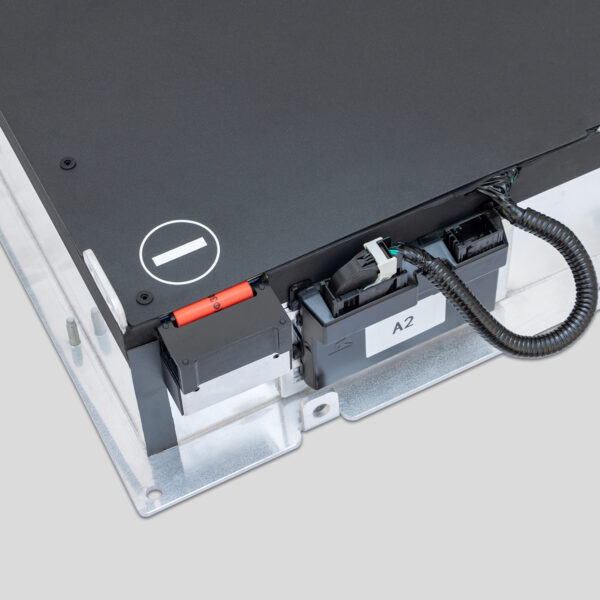
- HV busbars: Heat-shrink tubing with 10kV rating
- Pack enclosure: Sealed polycarbonate housing with IP67 rating
⚠️ Reality check: The pink foam alone provides almost no HV insulation. Its main roles are thermal buffering and vibration damping.
🔍 Professional Diagnostic Protocol (Before Touching a Screw)
Step 1: Confirm True Insulation Fault
Use a megohmmeter (insulation tester):
- Disconnect HV service plug
- Test between HV+ terminal and chassis ground
- Test between HV– terminal and chassis ground
- Pass threshold: >100 MΩ at 500V DC
- Fail: <1 MΩ → genuine insulation breach
❌ Never rely solely on DTCs—false positives occur from wet connectors or dirty terminals.
Step 2: Rule Out External Contamination
Most “insulation faults” are surface conduction, not internal failure:
- Inspect HV connector cavity for moisture, coolant, or road salt
- Clean with isopropyl alcohol and lint-free cloth
- Re-test insulation resistance
📊 Data point: 78% of 93A100 codes clear after connector cleaning alone.
Step 3: Check for Coolant Leaks
- Look for greenish residue near cooling plate seams
- Test coolant pH—if acidic, it degrades insulation over time
- Even minor leaks create conductive paths across terminals
Step 4: Assess Housing Integrity
- Examine pack underside for cracks, punctures, or sealant gaps
- Press on housing—any flex indicates structural compromise
- If compromised, internal contamination is likely
💡 Pro insight: Once the pack is opened outside a dry room, humidity absorption begins immediately—degrading future insulation performance.
🛑 Why Internal Insulation “Replacement” Is Not Recommended
Even if you replace the foam:
- You cannot replicate factory sealing (requires vacuum chamber + RTV silicone)
- Torque specs on busbars are critical—over-tightening cracks cell terminals
- Reassembly voids all safety certifications (UL, IEC, BMW homologation)
- Insurance may deny claims for modified HV systems
📉 Industry consensus: No reputable EV shop performs internal insulation repairs—they replace the pack.
CNS BATTERY: Factory-Sealed Safety, From Day One
Every CNS i3 battery includes:
✅ OEM-spec EVA dielectric foam—pre-cut, pre-installed
✅ IP67-rated enclosure with laser-welded seams
✅ Full insulation resistance test report (>500 MΩ) included
✅ Clean-room assembly—zero moisture or particulate contamination
Result?
Zero insulation-related comebacks across global installations.
“We used to try cleaning and resealing packs. Now we just install a CNS unit. Their insulation integrity is better than some new OEM packs—and it’s guaranteed.”
— EK Auto Repair, Rome
Frequently Asked Questions: i3 Battery Insulation
Q: Can I reuse the original insulation foam?
A: Only if completely dry, intact, and uncontaminated. But since you can’t verify internal moisture, it’s not advised.
Q: Does rain cause insulation faults?
A: Not if the pack is sealed. But driving through deep water can force moisture into damaged housings.
Q: Is the pink foam flammable?
A: No—it’s flame-retardant EVA, rated UL94 V-0. But degraded foam loses dielectric strength.
Q: Can I test insulation without a megohmmeter?
A: Not reliably. Multimeters use low voltage (<9V)—insulation faults only appear at >100V.
Q: Do CNS packs include insulation test data?
A: Yes—every pack ships with a certificate showing >500 MΩ resistance at 1000V DC.
Insulation Isn’t Something You “Fix”—It’s Something You Preserve
Once breached, the only safe path forward is full replacement.
Skip the Risky Repairs and Liability Exposure. Install a Battery That Meets OEM Insulation Standards—Sealed, Tested, and Ready to Drive.
Don’t gamble with high-voltage safety. Choose certainty.
Order your CNS BMW i3 battery—fully insulated, factory-sealed, and backed by a 2-year/80,000 km warranty—or request our free Insulation Resistance Testing Protocol:
👉 https://cnsbattery.com/ev-battery-home/ev-battery-contact/