BMW i3 Battery High Voltage: Critical Safety Precautions Every Owner Must Know
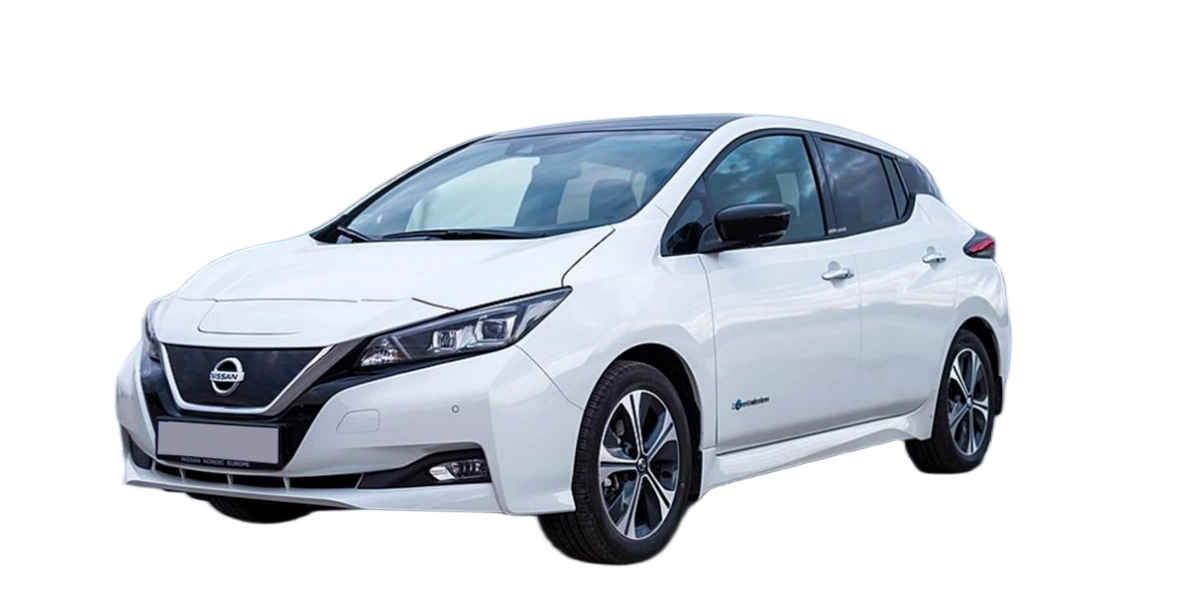
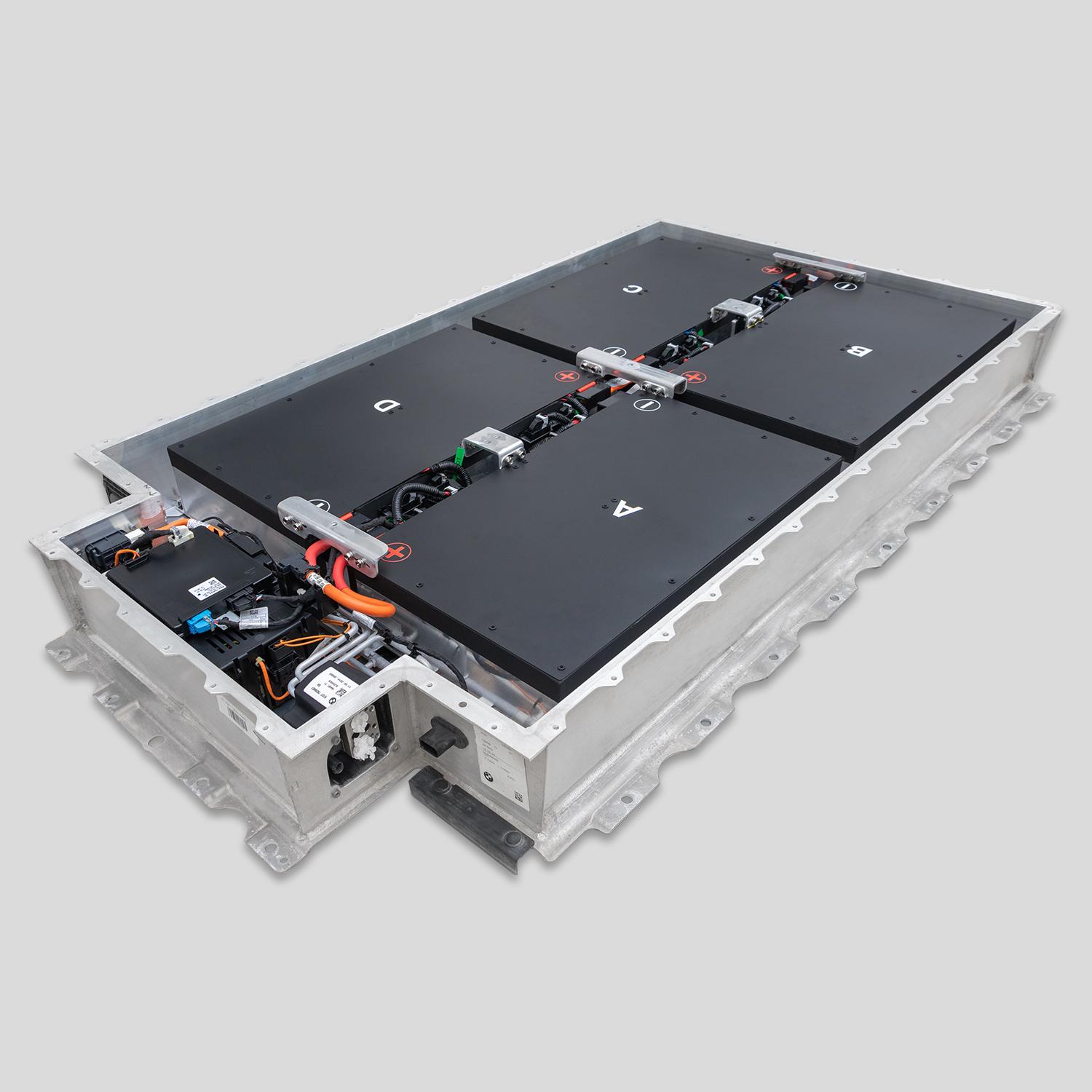
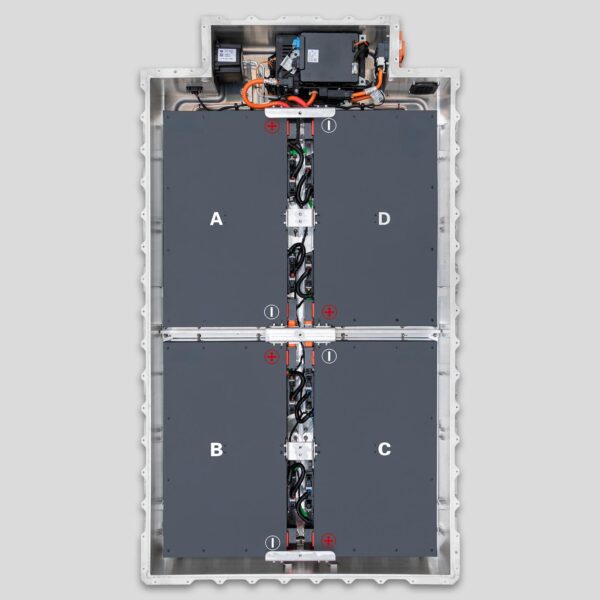
You admire your BMW i3 for its futuristic design and agile handling. But beneath the carbon fiber floor lies a powerhouse that demands absolute respect: the high-voltage battery pack. Operating at approximately 360 to 400 volts DC, this system contains enough energy to be lethal if mishandled.
For the average owner, the high-voltage system is invisible and safe during normal driving. But what happens when you need to tow the car? What if you hear a strange hiss or see fluid leaking? What if you consider a DIY repair to save money?
One wrong move, one missed safety step, or one improper tool can result in fatal electrocution, severe arc flash burns, or catastrophic fire.
At CNS BATTERY, safety is not just a protocol; it is our core value. As experts in BMW i3 battery replacement and upgrades, we have seen the devastating consequences of ignoring high-voltage safety precautions. This guide is not just information; it is a lifeline. It details the critical rules every i3 owner must know, explains why DIY high-voltage work is a dangerous gamble, and shows how professional handling ensures your safety while upgrading your vehicle’s performance.
The Invisible Killer: Understanding 400V DC Danger
Many people understand the shock from a 120V household outlet. But the BMW i3’s 400V DC system is fundamentally different and far more dangerous.
- Lethal Voltage: While 50V DC can be fatal under certain conditions, 400V is instantly lethal upon contact with skin or conductive tools.
- The Arc Flash Risk: Unlike AC power, DC arcs do not self-extinguish. If you accidentally bridge two high-voltage points, an arc flash occurs—a plasma explosion hotter than the surface of the sun. This can cause third-degree burns, blindness, and ignite the vehicle instantly.
- Residual Energy: Even after disconnecting the battery, capacitors within the system can hold a lethal charge for 10 to 30 minutes. Touching components too soon is a fatal mistake.
Essential Safety Precautions for Every i3 Owner
You do not need to be a technician to stay safe, but you must know how to react in emergency situations and what never to do.
1. Never Attempt DIY High-Voltage Repairs
This is the golden rule. Do not attempt to open the battery casing, replace modules, or touch orange cables yourself.
- The Reality: Proper service requires Class 00 (1000V rated) insulated gloves, arc-flash face shields, insulated tools, and specialized multimeters. Without these, you are unprotected.
- The Risk: A simple slip of a wrench can kill you instantly. There is no “second chance” with high voltage.
2. Towing and Accident Protocol
If your i3 is involved in a collision or needs towing:
- Identify the Orange Cables: Never cut, crush, or pinch the bright orange cables. These carry high voltage.
- Disable the System: In a severe accident, the pyrotechnic safety disconnect should fire automatically. However, if you must move the car, ensure the 12V auxiliary battery is disconnected first to prevent the high-voltage contactors from closing.
- Professional Tow Only: Always request a flatbed tow truck. Inform the driver that it is an electric vehicle with a high-voltage battery located under the floor.
3. Recognizing Warning Signs of Danger
Be alert to signs that your high-voltage system is compromised:
- Sweet Chemical Smell: Indicates coolant leakage, which can lead to electrical shorts.
- Hissing or Popping Sounds: Could signal an internal arc or pressure release.
- “Isolation Fault” Warnings: This means electricity is leaking to the chassis. Do not drive. The car body could become energized.
- Smoke or Heat: If you see smoke from the underbody, evacuate immediately and call 911. Do not attempt to extinguish an EV battery fire with a standard extinguisher; it requires thousands of gallons of water to cool.
4. The 12V Disconnect Rule
In non-emergency situations where the car must sit for long periods (e.g., storage), disconnecting the 12V auxiliary battery (located in the front trunk) is safe and recommended. This prevents the high-voltage contactors from accidentally engaging. However, never touch the high-voltage service plug (the orange handle) unless you are a certified technician with proper PPE.
Why Professional Service Is Non-Negotiable
When it comes to the high-voltage battery, “good enough” is not safe. Professional technicians at CNS BATTERY undergo rigorous training and use equipment that homeowners simply cannot access.
Our Safety Standards
- Certified Technicians: Our team holds specific high-voltage certifications (LOTO – Lock Out Tag Out).
- Proper PPE: We use tested, rated gloves and suits for every interaction with the HV system.
- Verified Discharge: We wait the mandatory time and use calibrated multimeters to verify 0 Volts before touching a single bolt.
- Safe Handling: We use specialized lifts and crates to move the 500+ lb battery without risking damage to the casing or connectors.
The CNS BATTERY Advantage: Safety Meets Performance
Choosing CNS BATTERY isn’t just about getting more range; it’s about entrusting your life to experts who prioritize safety above all else. When we perform a BMW i3 battery replacement, we don’t just swap parts; we ensure the entire high-voltage ecosystem is secure, sealed, and functioning perfectly.
Why Upgrade with Us?
- Factory-Perfect Sealing: Our replacement packs come with new, IP67-rated casings and gaskets, eliminating the risk of moisture ingress and isolation faults that plague old, corroded OEM packs.
- Modern Safety Tech: Our cells feature advanced thermal management and lower internal resistance, reducing the risk of overheating and thermal runaway compared to aging original units.
- Comprehensive Testing: Every pack undergoes rigorous isolation resistance testing and pressure checks before installation. We guarantee zero leaks and zero faults.
- Peace of Mind: With our warranty and professional installation, you drive knowing your high-voltage system is in peak condition, handled by the safest hands in the industry.
- Cost-Effective Safety: Avoid the risk of botched DIY repairs or shady shop jobs. Our complete upgrade solutions typically range from $8,000 to $12,000 USD, offering superior safety and double the range for half the cost of a dealership replacement.
Real Story: From “DIY Disaster” to “Safe & Sound”
Meet Mark, an experienced mechanic who thought he could save money by replacing a module in his i3’s battery himself. He lacked the proper insulated tools and didn’t wait for the capacitors to discharge fully. As he loosened a bolt, a massive arc flash blinded him temporarily and burned his hand. He was lucky to survive. The battery was destroyed, and his medical bills were astronomical.
Mark eventually contacted CNS BATTERY. We replaced his damaged pack with a brand-new 120 Ah upgrade. “I learned the hard way that high voltage doesn’t forgive,” Mark says. “CNS BATTERY did the job safely, quickly, and now I have 135 miles of range. I’ll never touch those orange cables again.”
Respect the Voltage, Protect Your Life
The BMW i3 high-voltage battery is a marvel of engineering, but it commands respect. By following basic safety precautions—never touching orange cables, recognizing warning signs, and leaving repairs to professionals—you protect yourself and your loved ones.
Don’t gamble with lethal energy. Trust the experts who live and breathe EV safety every day.
Concerned about your BMW i3’s high-voltage system?
Stop risking unsafe DIY fixes. Contact CNS BATTERY today for a professional safety inspection. Discover how our BMW i3 Series Battery upgrades provide not just double the range, but the highest standards of safety and reliability available.
👉 Schedule Your Safe Battery Assessment
Frequently Asked Questions (FAQ)
1. Is it safe to drive my BMW i3 in the rain or through puddles?
Yes. The high-voltage battery and components are sealed to IP67 standards, meaning they are dust-tight and protected against temporary immersion in water. Normal driving in rain or through puddles is perfectly safe. However, deep flooding that submerges the battery pack requires immediate professional inspection.
2. Can I disconnect the high-voltage battery myself in an emergency?
No. You should never touch the orange high-voltage service plug or cables. In an emergency, only disconnect the 12V auxiliary battery (located in the front trunk) using standard tools. This prevents the high-voltage system from activating. Leave HV disconnection to certified firefighters or technicians.
3. What should I do if I see an “Isolation Fault” warning?
Pull over safely and stop driving immediately. An isolation fault means high voltage is leaking to the car’s chassis, creating an electrocution risk. Turn off the car, exit, and call for a professional tow. Do not touch the car’s metal frame until it has been inspected.
4. Are CNS BATTERY replacements safe?
Absolutely. Safety is our top priority. All our BMW i3 Series Battery packs undergo rigorous testing for isolation resistance, sealing integrity, and thermal stability before installation. They meet or exceed OEM safety standards and come with a comprehensive warranty.
5. What happens if my battery catches fire?
EV battery fires are rare but intense. If you smell smoke or see fire, evacuate immediately and call 911. Inform the dispatcher it is an electric vehicle fire. Do not attempt to fight the fire yourself; it requires massive amounts of water to cool the cells.
6. Why is DIY battery repair so dangerous?
High-voltage systems contain lethal energy even when disconnected due to stored charge in capacitors. Without Class 00 insulated gloves, specialized tools, and training, a simple mistake can cause fatal electrocution or an arc flash explosion. It is never worth the risk.
7. How much does a professional, safe battery replacement cost?
Dealerships charge $18,000–$22,000 USD for an OEM replacement. CNS BATTERY provides safer, modern, high-capacity upgrades typically between $8,000 and $12,000 USD. You get superior safety technology and double the range for half the price, installed by certified experts.