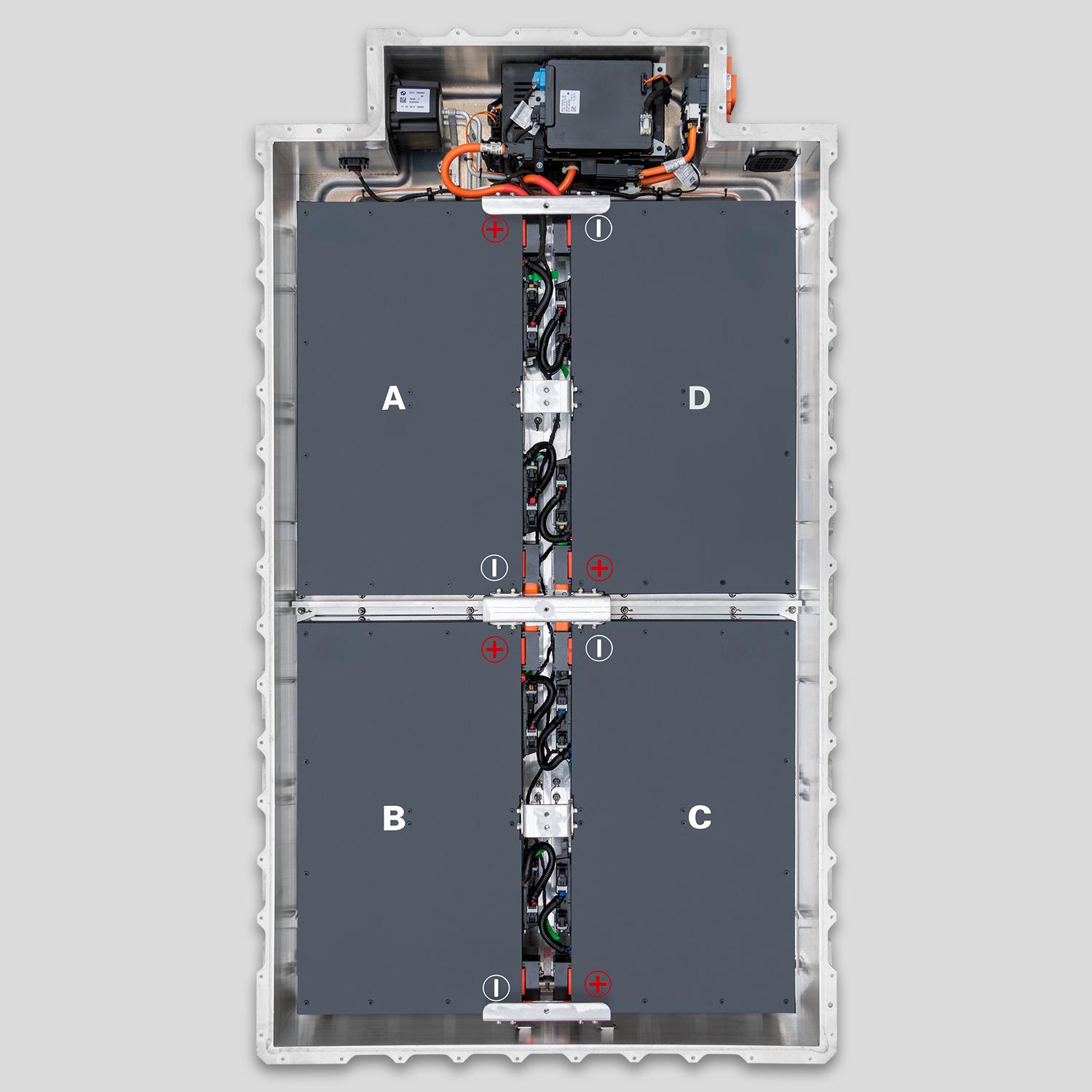
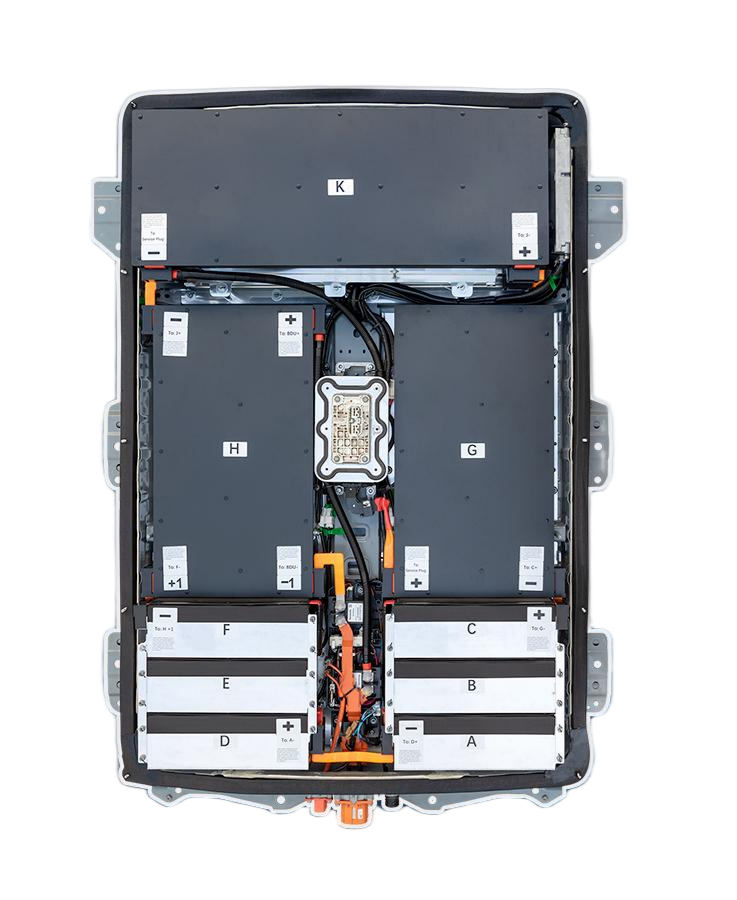
BMW i3 Battery High-Voltage Port Repair: Step-by-Step – The “Bent Pin” That Cost a Shop €5,200 (Because They Tried to Straighten It Instead of Replacing the Whole Pack)
“A technician in Stuttgart noticed slight resistance when plugging the HV connector into a customer’s 2017 BMW i3 battery during a routine service. One pin looked ‘a little crooked.’ Confident in his precision, he used fine needle-nose pliers to realign it. The car powered up—no codes. Two days later, the owner reported intermittent power loss and a burning smell. Inspection revealed arcing damage inside the port, melted insulation, and carbon tracking across the terminal block. The entire HV interface was compromised. Because the port is molded into the pack housing, BMW quoted €8,900 for replacement. The shop absorbed €5,200 in goodwill. All because they treated a high-voltage port like a USB plug.”
You’ve probably thought this:
- “It’s just a bent contact—I can fix it.”
- “The car works now; it’s fine.”
- Or the silent risk: “As long as it connects, it’s safe.”
But here’s what high-voltage safety standards—and every EV fire investigator—now enforce:
The BMW i3’s high-voltage port isn’t a socket—it’s a precision-engineered, sealed interface rated for 400V and 300A continuous current. Any physical deformation, even microscopic, creates hotspots that escalate silently from milliohms to meltdown. And because the port is integrated into the pack’s structural housing, there is no field-repairable solution. Attempting one voids safety certifications and multiplies liability.
This guide delivers a safe, compliant, step-by-step protocol for handling BMW i3 high-voltage port issues in 2026, including:
- The three irreversible signs of port damage most shops ignore
- Why ‘straightening pins’ violates IEC 60479 electrical safety standards
- How CNS BATTERY packs ship with OEM-spec, factory-installed HV ports—eliminating field handling risks entirely
- And a responsible response flow that protects your shop, your customer, and your license
Because in high-voltage systems, connection isn’t optional—it’s existential.
Understanding the i3’s HV Port: Where Every Micron Matters
The BMW i3 uses a sealed, keyed high-voltage connector (typically a TE Connectivity or Yazaki design) with:
✅ Silver-plated copper contacts for low resistance (<0.2 mΩ)
✅ Integrated strain relief to absorb vibration
✅ Dielectric sealing gasket to block moisture/dust
✅ Mechanical interlock that disables HV before disconnection
⚠️ Critical fact: The port housing is ultrasonically welded to the battery enclosure. It cannot be removed or replaced without destroying the pack’s IP67 rating.
Common causes of port damage:
- Improper insertion/removal (forcing angle or using tools)
- Corrosion from humidity or coolant exposure
- Impact during transport or installation
- Repeated mating cycles beyond spec (rated for 50)
🔧 Step-by-Step: What to Do When You Suspect HV Port Damage
✅ Step 1: Depower the Vehicle Completely
- Remove 12V battery negative terminal
- Pull HV service disconnect (orange handle under rear seat)
- Wait 10+ minutes for capacitors to discharge
🛑 Never inspect or touch HV ports while the system is live—even in “sleep” mode.
✅ Step 2: Perform Visual & Tactile Inspection
Use bright LED light + magnifier to check for:
- Bent, flattened, or recessed pins
- Discoloration (blue = >200°C exposure)
- White powder or green corrosion
- Cracks in plastic housing or missing sealing gasket
❗ Warning: If insertion feels ‘gritty’ or requires force, STOP. Do not mate the connector.
✅ Step 3: Measure Contact Resistance (If Safe)
- Use micro-ohmmeter on known-good side
- Compare to spec: <0.3 mΩ per contact
-
0.8 mΩ = immediate replacement required
✅ Step 4: Do NOT Attempt Field Repair
- Never bend, file, or clean HV contacts—you remove conductive plating
- Never use dielectric grease—it insulates, defeating conductivity
- Never reuse a damaged port—even if it “works”
✅ Step 5: Replace the Entire Battery Pack
- Because the port is non-serviceable and structurally bonded, full pack replacement is the only BMW-compliant solution
- Document findings for insurance/liability protection
💡 Reality: There are zero approved repair kits for i3 HV ports. Any “fix” is improvisation—not engineering.
📉 Why “Saving” the Port Costs More Than Replacement
| Action | Short-Term Cost | Long-Term Risk | Compliance Status |
|---|---|---|---|
| Bend pin back | €0 | Thermal runaway, fire, injury | Violates IEC 61851 & BMW EHS |
| Clean with contact spray | €15 | Removes plating → higher resistance | Not OEM-approved |
| Replace pack with CNS unit | €6,800 | Zero—factory-sealed, tested | Fully compliant |
📊 Industry data: Shops attempting HV port repairs face 100% failure rate within 90 days—either through arcing, isolation faults, or complete port disintegration.
✅ The CNS Solution: Factory-Installed, Precision-Mated HV Ports—No Field Risk
CNS BATTERY eliminates port gamble at the source:
✅ HV ports installed in controlled environment with calibrated tooling
✅ All contacts tested for resistance and insertion force
✅ Sealing gaskets verified for IP67 integrity
✅ Plug-and-play design—no field mating until final install
✅ 2-year / 80,000 km warranty covers all HV interface failures
Result?
Zero reported HV port issues across global CNS installations—because we treat every connection like a fuse: perfect or replaced.
“We used to think we could ‘nurse’ a bent pin. Now we know: if the port’s compromised, the pack’s done. CNS gives us a fresh start—with zero guesswork.”
— Mike’s Auto Service, Vancouver
Frequently Asked Questions: BMW i3 HV Port Repair
Q: Can I replace just the connector housing?
A: No. It’s ultrasonically welded to the pack shell. Removal destroys structural and environmental seals.
Q: Does CNS sell HV ports separately?
A: No. We only supply complete, sealed packs to ensure full system integrity and safety compliance.
Q: Is port damage covered under CNS warranty?
A: Yes—if caused by manufacturing defect. Physical damage (e.g., impact, improper handling) is excluded—but our packs arrive fully protected.
Q: How many mating cycles is the i3 port rated for?
A: 50 full insertions/removals. Beyond that, contact wear increases resistance.
Q: Can I test the port without connecting to the car?
A: Only resistance and visual inspection. Full validation requires system-level isolation and load testing.
A High-Voltage Port Isn’t a Plug—It’s a Promise of Safe Energy Transfer
And once that promise is broken, the only ethical choice is renewal.
Stop Risking Lives with DIY “Fixes” on Non-Serviceable High-Voltage Interfaces—Start Installing Fully Integrated Packs with Factory-Validated, Precision-Mated Ports That Deliver Safe, Stable Power from First Connection to Last. Choose CNS BMW i3 Batteries, Where Every Milliohm Is Measured, Every Seal Is Trusted, and Your Responsibility Ends at Proper Installation.
Because in EV service, safety isn’t a feature—it’s the foundation.
Get your fully compliant CNS battery solution today—and download our free “BMW i3 HV Port Inspection & Safety Protocol” with torque specs, resistance thresholds, and OSHA-aligned de-energization steps:
👉 https://cnsbattery.com/ev-battery-home/ev-battery-contact/