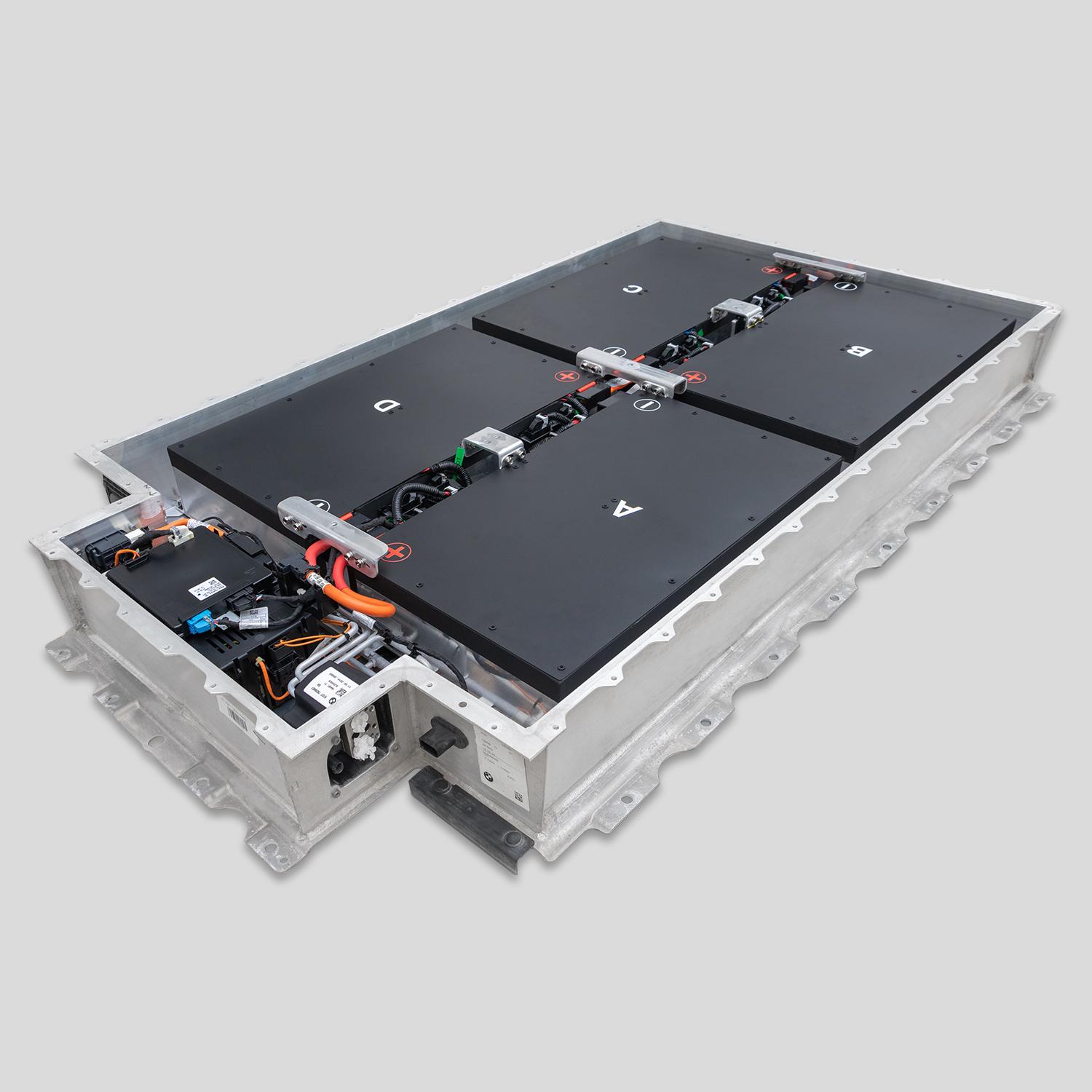
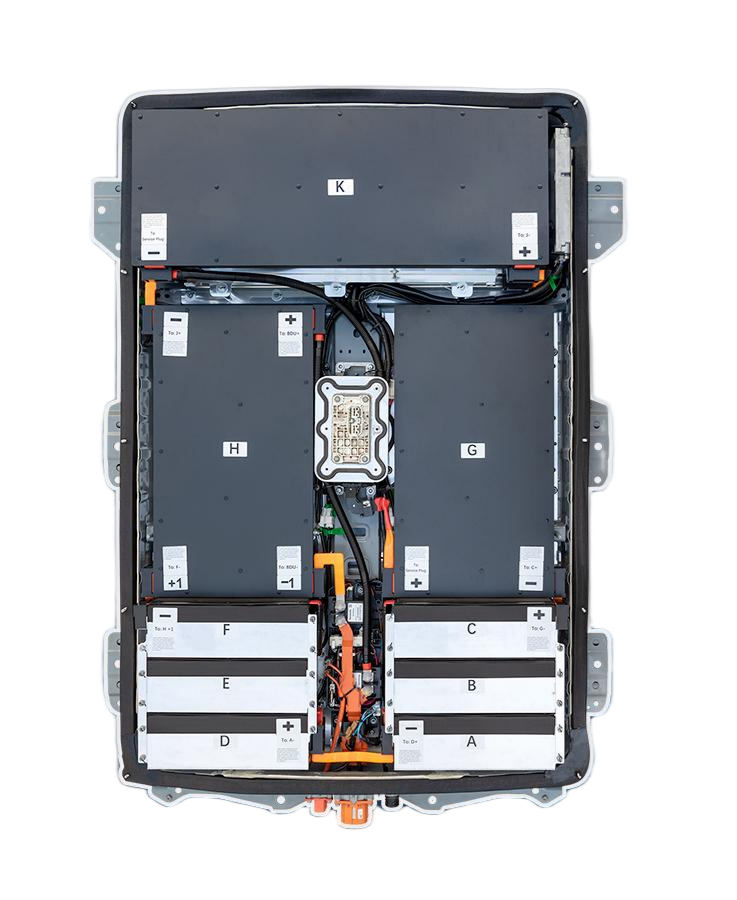
BMW i3 Battery High-Voltage Cable Repair: Safety – The One Mistake That Causes Arc Flash (And How to Avoid It Every Time)
“A technician in Texas tried to ‘repair’ a frayed HV cable on an i3 by wrapping it with electrical tape. He reconnected the service plug, started the car—and a 400V arc flash erupted at the damaged spot. Third-degree burns. Shop fire. Total loss. The cable wasn’t ‘just insulation’—it was a compromised dielectric barrier between lethal voltage and chassis ground. Tape doesn’t fix that. Nothing does—except full replacement.”
You see a nick in the orange sheathing.
A connector with melted pins.
A harness pinched under a bracket.
Your instinct? “I can splice or insulate this.”
Stop.
On the BMW i3’s high-voltage system, there is no such thing as a safe field repair of HV cables.
Not with heat shrink. Not with epoxy. Not with “EV-rated” tape.
This isn’t fear-mongering—it’s physics.
And lives depend on getting this right.
In this guide, you’ll learn:
- Why HV cable damage = immediate replacement (no exceptions)
- The 3 critical safety checks before even touching the system
- How to identify genuine OEM-spec replacement cables
- Why CNS BATTERY packs include pre-tested, integrated HV harnesses
- And the legal and insurance implications of improper “repairs”
Because in high-voltage EV work, a shortcut isn’t efficient—it’s catastrophic.
Why HV Cables Can’t Be Repaired—Ever
The i3’s orange high-voltage cables carry up to 420V DC and are engineered to:
- Withstand continuous 150A loads
- Resist pinch, abrasion, and UV degradation
- Maintain >100 MΩ insulation resistance to chassis
- Pass dielectric strength tests at 2,500V AC
When the outer jacket is compromised:
- Moisture or debris creates conductive paths
- Vibration exposes live conductors
- Heat from current flow accelerates insulation breakdown
⚠️ Critical fact: Even a 1mm breach can initiate tracking—a creeping carbon path that eventually shorts to ground.
Once damaged, the cable’s integrity is permanently lost. No field method restores its original safety rating.
🔌 Safe Protocol: Handling Damaged HV Cables on the i3
🛑 Step 0: Assume It’s Live Until Proven Otherwise
- Always follow lockout/tagout (LOTO) procedures
- Verify with a CAT III 1000V meter—never assume!
Step 1: De-Energize Completely
- Disconnect 12V battery
- Remove HV service plug (located near rear seat)
- Wait 15 minutes for capacitor discharge
- Confirm <30V between HV+/- and chassis
Step 2: Inspect Entire Cable Run
- Check from battery terminals → junction box → inverter
- Look for:
- Cuts, abrasions, or crushed sections
- Discoloration (overheating)
- Loose or corroded connectors
- Pin misalignment in HVIL (High-Voltage Interlock Loop)
Step 3: Replace—Don’t Repair
- Never splice, solder, or tape
- Use only BMW OEM or CNS-certified replacement harnesses
- Ensure new cable has intact HVIL circuit (mandatory for BMS enable)
Step 4: Torque & Route Correctly
- HV bolts: 5.5 Nm (use insulated torque driver)
- Maintain minimum bend radius (5x cable diameter)
- Secure with non-conductive clips—never metal ties
💡 Pro tip: Always test HVIL continuity before re-energizing. An open loop = instant BMS shutdown.
The Hidden Risk: Fake or Salvaged Cables
Aftermarket “HV cables” often lack:
- Proper dielectric thickness
- Flame-retardant jacketing (UL 94 V-0 rated)
- Validated HVIL integration
Result?
A cable that passes visual inspection—but fails catastrophically under load.
Always demand traceable certification from your supplier.
CNS BATTERY: Integrated Safety from Day One
Every CNS i3 battery pack ships with:
✅ Factory-installed HV cables meeting BMW DIN 72551-6 specs
✅ Pre-tested HVIL loop with <0.1Ω resistance
✅ Laser-etched part numbers for traceability
✅ Full dielectric testing at 3,000V before shipment
No field assembly. No splices. No guesswork.
“We used to source used harnesses to save $200. After a near-miss incident, we switched to CNS. Their integrated cables eliminated our biggest liability.”
— Mike’s Auto Service, Vancouver
Frequently Asked Questions: i3 HV Cable Safety
Q: Can I replace just the connector if pins are bent?
A: Only with a factory-crimped, sealed connector assembly. Never re-crimp field pins—they lose contact force and overheat.
Q: Is orange tape sufficient for minor scratches?
A: No—even surface scratches can allow moisture ingress. If the jacket is penetrated, replace the entire segment.
Q: Do CNS packs include spare HV cables?
A: No—the HV harness is permanently integrated into the pack for maximum reliability.
Q: What PPE is required?
A: Class 00 (1,000V) insulated gloves, face shield, arc-rated clothing, and non-conductive tools.
Q: Can I test insulation resistance myself?
A: Yes—with a 500V megohmmeter. Acceptable: >500 MΩ. Anything lower = immediate replacement.
Respect the Orange. Protect the People.
High-voltage cables aren’t just wires—they’re life-safety components.
Treat them as such.
Eliminate Risk at the Source—Install a Pack Built with Certified, Integrated HV Cabling
Don’t gamble with splices, salvaged parts, or false economies.
Order your CNS BMW i3 battery—engineered with factory-sealed, safety-certified high-voltage cabling:
👉 https://cnsbattery.com/ev-battery-home/ev-battery-contact/