
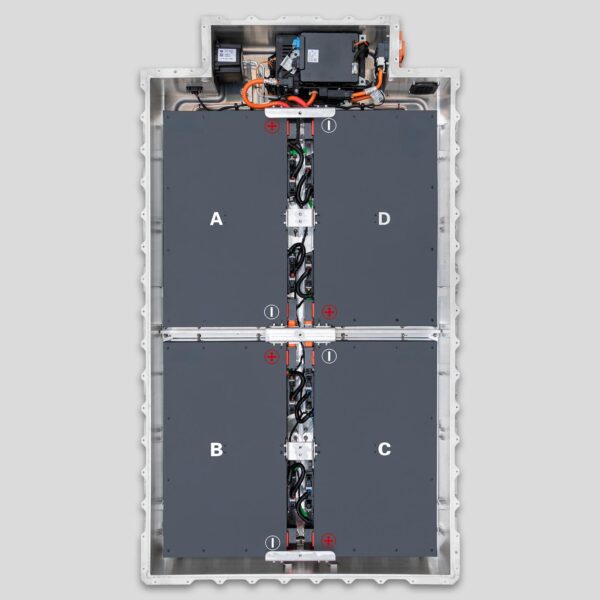
BMW i3 Battery High Voltage Cable: Inspect Regularly – The Silent Threat Under Your Feet
You slide into your BMW i3, press the start button, and enjoy the silent, instant torque that defines the electric driving experience. You trust the orange cables running beneath your floorboards to carry 400 volts of energy safely from the battery to the motor. After all, they are thick, heavily insulated, and hidden away. Out of sight, out of mind, right?
Wrong.
Beneath the protective plastic shields and carpeting, your high voltage (HV) cables are fighting a silent battle against time, vibration, heat, and nature. A single nick in the insulation, a spot of corrosion on a connector, or a chewed wire from a hungry rodent can turn your eco-friendly commuter into a lethal hazard or a stranded brick.
How often should you really inspect these critical lifelines?
What are the subtle signs that your HV cables are failing before they cause a fire?
And if an inspection reveals significant wear, is a simple repair enough, or is it time for a complete system overhaul?
At CNS BATTERY, safety is our non-negotiable core value. We have inspected thousands of i3s where degraded HV cables were the root cause of charging failures, isolation faults, and near-miss thermal events. We know that regular inspection isn’t just maintenance; it’s survival. This guide teaches you what to look for, why DIY fixes are dangerous, and how upgrading to a modern battery system eliminates these aging infrastructure risks forever.
The Invisible Enemy: What Damages HV Cables?
The BMW i3’s high-voltage system is robust, but the cables connecting the components are vulnerable to several insidious threats over 8-10 years of ownership.
1. Rodent Infestation (The #1 Killer)
BMW, like many manufacturers, uses soy-based materials in wire insulation and adhesives. To mice and rats, your expensive HV cables taste like a gourmet meal.
- The Danger: Rodents can chew through the thick orange shielding overnight, exposing live 400V conductors. This leads to immediate short circuits, ground faults, or fires.
- The Sign: Shredded insulation near the battery pack or under the rear bumper, often accompanied by nesting materials.
2. Vibration and Chafing
The i3 is a lightweight car with a stiff suspension. Over years of driving, the heavy battery pack and its associated cables vibrate constantly.
- The Danger: If mounting clips loosen or rubber grommets degrade, the cables can rub against sharp metal chassis points. This constant abrasion wears down the insulation until the conductor is exposed.
- The Sign: Polished spots on the cable jacket, fraying, or visible copper strands.
3. Thermal Degradation
HV cables run near the electric motor and inverter, areas that generate significant heat.
- The Danger: Prolonged exposure to heat cycles can make the insulation brittle and prone to cracking. Once cracked, moisture and road salt seep in, causing internal corrosion that increases electrical resistance.
- The Sign: Cracks in the orange sheathing, discoloration (browning), or a melted appearance.
4. Galvanic Corrosion
Where the cable connects to the battery or inverter, dissimilar metals (aluminum housing and copper pins) meet.
- The Danger: In the presence of moisture and road salt, these metals react, creating corrosion that eats away at the connection. This increases resistance, generating excessive heat that can melt the connector housing.
- The Sign: White or green powdery residue on connectors, difficulty disconnecting plugs, or burn marks on the connector housing.
How to Inspect: A Safety-First Protocol
⚠️ CRITICAL WARNING: High voltage can kill. Never touch exposed orange cables, attempt to remove HV connectors, or inspect internal wiring unless you are a certified high-voltage technician with proper Personal Protective Equipment (PPE) and tools.
For the average owner, “inspection” means a visual check of accessible areas and knowing when to call a pro.
Step 1: The Visual Sweep
With the car OFF and the key far away:
- Check the Frunk and Rear Trunk: Look at the entry points where the orange cables enter the battery and motor compartments. Are there signs of chewing, oil leaks, or melted plastic?
- Look Under the Car (Safely): If you have a lift or safe access, glance at the undercarriage shielding. Are there holes where rodents could enter? Do you see any orange cable exposed?
- Smell Test: A faint smell of burnt plastic or ozone near the rear seat or frunk can indicate overheating cables.
Step 2: Monitor Dashboard Warnings
Your car’s Battery Management System (BMS) constantly monitors cable integrity. Never ignore these warnings:
- “High Voltage System Malfunction”
- “Charge Power Reduced” (Often caused by high resistance in cables)
- “Insulation Fault” (Indicates current leaking to the chassis due to damaged insulation)
Step 3: Professional Diagnostic
If you suspect any issue, take the car to a specialist immediately. They will:
- Perform an Isolation Resistance Test (Megger test) to check for leaks.
- Use thermal imaging to find hot spots in connectors while the car is running.
- Remove shielding safely to inspect the full length of the harness.
The Hard Truth: Repair Is Often a Gamble
If an inspection reveals damaged HV cables, your instinct might be to patch it. Do not do this.
- The Patch Fallacy: Wrapping a chewed or chafed HV cable with tape is not a repair; it’s a temporary cover-up. The underlying conductor may already be compromised, and the tape cannot restore the original dielectric strength needed for 400V.
- The Recurrence: If the damage was caused by chafing due to a design flaw or loose mount, simply taping it won’t stop the rubbing. The damage will return, often worse.
- The Hidden Cost: A $200 tape job can lead to a $20,000 battery fire. The risk-to-reward ratio is unacceptable.
The Verdict: If HV cables show significant damage, the entire harness section must be replaced, not repaired. And if the cables are damaged, the components they connect to (battery, inverter) may have already suffered stress.
The CNS BATTERY Solution: Upgrade to Damage-Proof Security
If your inspection reveals worn cables, or if you simply want to eliminate this risk entirely, the best strategy is to upgrade to a modern system where the entire high-voltage interface is renewed.
At CNS BATTERY, our BMW i3 Series Battery upgrades include brand-new, pristine high-voltage cabling and connectors, eliminating the weak points of your original 10-year-old harness.
Why Upgrading Eliminates Cable Risks
- Brand-New Harnesses: Our upgrades come with fresh, factory-spec HV cables. No old rust, no frayed insulation, no rodent bites.
- Enhanced Protection: We utilize updated routing and additional protective sleeving that resists abrasion and rodent attacks far better than original parts.
- Corrosion-Resistant Connectors: Our new connectors use advanced coatings to prevent oxidation, ensuring low resistance and cool operation.
- Complete System Refresh: We don’t just swap the battery; we inspect and secure the entire charging path, ensuring your new pack connects via clean, healthy cables.
- Double the Range: While solving your cable fears, you upgrade from a failing 60 Ah or 94 Ah pack to a 120 Ah equivalent, giving you 130+ miles of range.
- Cost Efficiency:
- Cable Replacement + Labor: $1,000–$2,500 (and you still have an old battery).
- Dealership OEM Replacement: $20,000+.
- CNS BATTERY Upgrade: $8,000 – $12,000 USD. You get a brand-new, damage-proof battery with double the range for half the dealer price.
Real Story: From “Chewed Wires” to “Invincible Power”
Meet David, a 2015 i3 owner in Boston. During a routine service, a technician found severe rodent damage on the main HV cable and melted housing due to heat from a poor connection. The shop repaired it with tape, but six months later, the damage returned, and the melting worsened. They quoted him $2,000 to replace the pigtail and repair battery terminals, warning that the pack itself might be compromised.
David contacted CNS BATTERY. We installed a 120 Ah upgrade. “The difference is incredible,” David says. “They installed a completely new battery with updated, protected cables. I’ve driven through two more brutal winters, and the cables stay perfectly clean and cool. I have 135 miles of range, and I never worry about charging errors again. The upgrade didn’t just fix the cable issue; it made my car invincible.”
Don’t Let Damaged Cables Ground Your Car
Regular inspection of your BMW i3 high voltage cables is essential for safety. But if that inspection reveals wear, don’t gamble on patches.
Upgrade to a system designed for durability, safety, and long-term reliability. Protect your home, your family, and your investment with a solution that eliminates the risk entirely.
Worried about your HV cables?
Stop risking a fire or charging failure. Contact CNS BATTERY today for a professional high-voltage cable inspection. We’ll tell you if repair is enough or if it’s time for a 120 Ah upgrade that provides a damage-proof, high-performance solution.
👉 Get Your Cable Inspection & Upgrade Quote
Frequently Asked Questions (FAQ)
1. How often should I inspect my BMW i3 high voltage cables?
We recommend a visual check every 6 months or during every major service. If you live in an area prone to rodents or use road salt in winter, inspect them every 3 months.
2. What are the signs of damaged HV cables?
Look for chewed insulation, fraying, cracks, discoloration (browning/melting), or corrosion on connectors. Dashboard warnings like “Insulation Fault” or “Charge Power Reduced” are also critical indicators.
3. Can I repair a damaged HV cable myself?
Absolutely NOT. Working on high-voltage cables is extremely dangerous and requires specialized training and equipment. Incorrect repairs can lead to electrocution, fire, or further damage. Always have a certified specialist handle HV components.
4. Will replacing the cables fix the problem permanently?
If the root cause (e.g., rodent access or chafing point) isn’t addressed, damage can recur. However, CNS BATTERY upgrades include enhanced protective sleeving and improved routing to prevent future issues, offering a more permanent solution than standard repairs.
5. Does CNS BATTERY replace old cables during an upgrade?
Yes. Our BMW i3 Series Battery upgrades feature brand-new high-voltage cables and connectors. We eliminate all old, brittle, or damaged wiring, ensuring your new battery connects via a pristine, safe harness.
6. Can cable damage destroy my entire battery pack?
Yes. Heat generated by damaged cables can melt the battery’s internal terminals and busbars, leading to costly internal damage or total pack failure. Early detection is critical.
7. How much does it cost to fix damaged cables vs. upgrading?
Replacing damaged HV cables costs $1,000–$2,500. However, if the battery is already heat-damaged, costs can rise significantly. A CNS BATTERY upgrade costs $8,000–$12,000 USD but includes a brand-new, damage-proof battery with double the range and a warranty, offering better long-term value.

