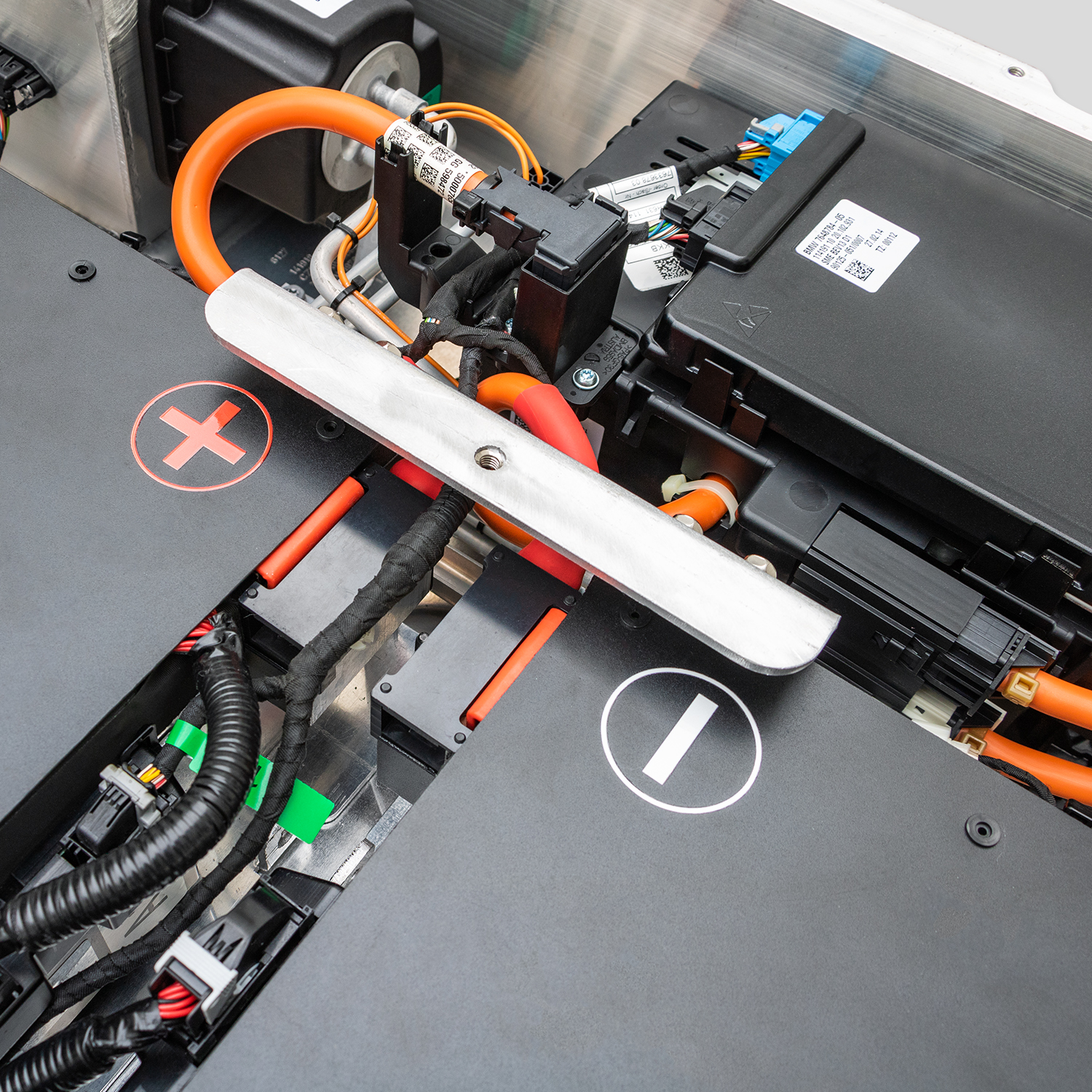
BMW i3 Battery Hacks for Better Replacements
If you own a BMW i3, you know the feeling. The “Check Control” message pops up, or the range has dropped significantly. Suddenly, you’re faced with a massive repair bill. The factory replacement can cost a fortune, leaving you wondering if there’s a smarter, more affordable way to get back on the road.
You are not alone in this struggle. Many i3 owners are looking for ways to hack their battery replacement process—finding solutions that save money without sacrificing safety or performance. But what does a “hack” really mean in this context? It means cutting out the dealer markup, avoiding the risks of used batteries, and going straight to the source of high-quality, new components.
This guide will walk you through the smartest strategies for replacing your BMW i3 battery, focusing on maximizing value and reliability.
The Problem with “Cheap” Fixes and Factory Prices
Before we dive into the solutions, let’s address the two extremes most owners face.
On one end, the Original Equipment Manufacturer (OEM) battery is undeniably reliable but comes with a price tag that often exceeds $12,000 to $16,000. For a used car, this simply isn’t cost-effective for most people.
On the other end, the “hack” of buying a used or refurbished battery might seem like a bargain at first. However, this is often a false economy. Used cells are already degraded, and you’re gambling on their remaining lifespan. Stories of batteries swelling or failing within months are common, turning a quick fix into a costly nightmare.
The real hack? Cutting out the middleman. By sourcing a brand-new, high-performance battery directly from a specialized manufacturer that uses top-tier cells, you bypass the dealer markup while avoiding the gamble of second-hand parts.
Why New CATL Cells Are the Ultimate Performance Hack
When we talk about “hacks,” we aren’t suggesting you modify the battery yourself. Instead, the hack is in the specification. The best replacement strategy is to insist on brand-new, high-density cells.
At the core of a reliable BMW i3 battery replacement are brand-new CATL (Contemporary Amperex Technology Co. Limited) cells. CATL is one of the world’s largest lithium-ion battery manufacturers, and their cells are renowned for thermal stability and energy density.
Here is why this is the superior choice:
- Zero Degradation: Unlike used packs, new cells start at 100% health. This means your range isn’t just restored; it’s reset to factory-new levels.
- Safety First: New cells from a reputable supplier undergo strict quality control, eliminating the risk of internal shorts or defects common in recycled packs.
- Longevity: New cells have a full chemical lifecycle ahead of them, offering years of reliable service rather than months.
By choosing a replacement built with these new industrial-grade cells, you are essentially giving your BMW i3 a “factory reset” for a fraction of the cost.
The DIY vs. Professional Install Hack
Another major cost factor in a battery replacement is labor. This is where a practical “hack” can save you hundreds of dollars, but it requires caution.
The DIY Approach (For the Experienced):
If you are mechanically inclined, replacing the battery yourself is the ultimate cost saver. The process is generally plug-and-play for the connectors, but it requires specific knowledge:
- Tools: You will need standard automotive tools, insulated gloves, and a torque wrench.
- Time: A professional might take 50 minutes, but as a DIYer, budget 2 hours to do it safely.
- The Catch: The Battery Management System (BMS) programming can be tricky. You might need remote support to sync the new battery with your car’s computer.
The Hybrid Hack (Recommended):
If you aren’t comfortable doing it all yourself, consider a “hybrid hack.” You can purchase the battery online at a massive discount compared to a dealer, and then pay a local mechanic just for the labor. Because the battery itself is so much cheaper, even with the mechanic’s fee, you are still saving thousands.
The 24-Month/80,000km Warranty Hack
In the world of car repairs, warranty is the ultimate safety net. Most third-party or used battery suppliers offer very short warranties, or none at all. This is a major risk.
The smart replacement strategy includes looking for a warranty that actually protects your investment. The industry standard “hack” for peace of mind is a 24-month or 80,000km warranty.
This specific warranty structure is significant because:
- It beats most used battery guarantees. Many used parts sellers offer 3 or 6 months.
- It covers real-world usage. 80,000km is substantial mileage for an electric car battery replacement.
- It signals confidence. A company willing to back their product for 2 years is likely using high-quality, new components, not recycled scrap.
The International Shipping and DDP Hack
For owners outside of China, importing a car battery can sound like a logistical nightmare. Customs duties, taxes, and import regulations can add hidden costs and delays.
The solution here is DDP (Delivered Duty Paid) shipping. This is the ultimate logistical hack for international buyers.
Instead of you dealing with customs brokers and surprise fees, a DDP service means:
- The supplier handles all the paperwork.
- You pay a single, transparent price that includes the battery and all shipping costs.
- The battery arrives at your door, ready to install, with no hidden customs bills.
This turns a complex international import into a simple online shopping experience.
The VIN Compatibility Check Hack
One of the biggest mistakes owners make is ordering a battery without verifying the exact fit. The BMW i3 has different battery voltages and configurations (such as the 45kWh, 50kWh, or 62kWh variants depending on the market and year).
Before you buy, the essential hack is the VIN Compatibility Check.
By providing your Vehicle Identification Number (VIN) to the supplier, they can confirm:
- The exact voltage and capacity your car needs.
- Whether the physical connectors and mounting points match perfectly.
- If any specific BMS coding is required for your model year.
This simple pre-check prevents the disaster of receiving a battery that doesn’t fit, saving you return shipping costs and downtime.
Frequently Asked Questions (FAQ)
1. How much can I really save by replacing the BMW i3 battery with an aftermarket solution?
Most owners report saving 50% or more compared to the dealer price. While a dealer might charge $12,000-$16,000, a high-quality aftermarket solution using new cells typically costs under $8,000, often significantly less.
2. Is it safe to install the battery myself?
It can be safe if you follow strict safety protocols. You must disconnect the vehicle’s power, wear insulated gloves, and avoid dropping tools across terminals to prevent short circuits. If you are unsure about the BMS programming or high-voltage safety, it is always recommended to use a professional mechanic.
3. What is the lifespan of a new replacement battery?
A battery built with new, high-quality cells (like CATL) should last for the lifetime of the vehicle, typically providing over 8 years or 160,000+ km of service under normal driving conditions. This is vastly superior to the 6-12 months you might get from a recycled battery.
4. How long does international shipping take?
Shipping times vary depending on the method. Air freight is faster but more expensive, while sea freight (DDP) is the most economical but can take 4-8 weeks. The packaging is usually robust (fumigation-free wooden crates) to ensure the battery arrives undamaged.
Ready to hack your BMW i3 battery replacement and save thousands? Don’t gamble on used cells or pay dealer prices.
Contact our technical experts now for a free, no-obligation quote and VIN compatibility check.