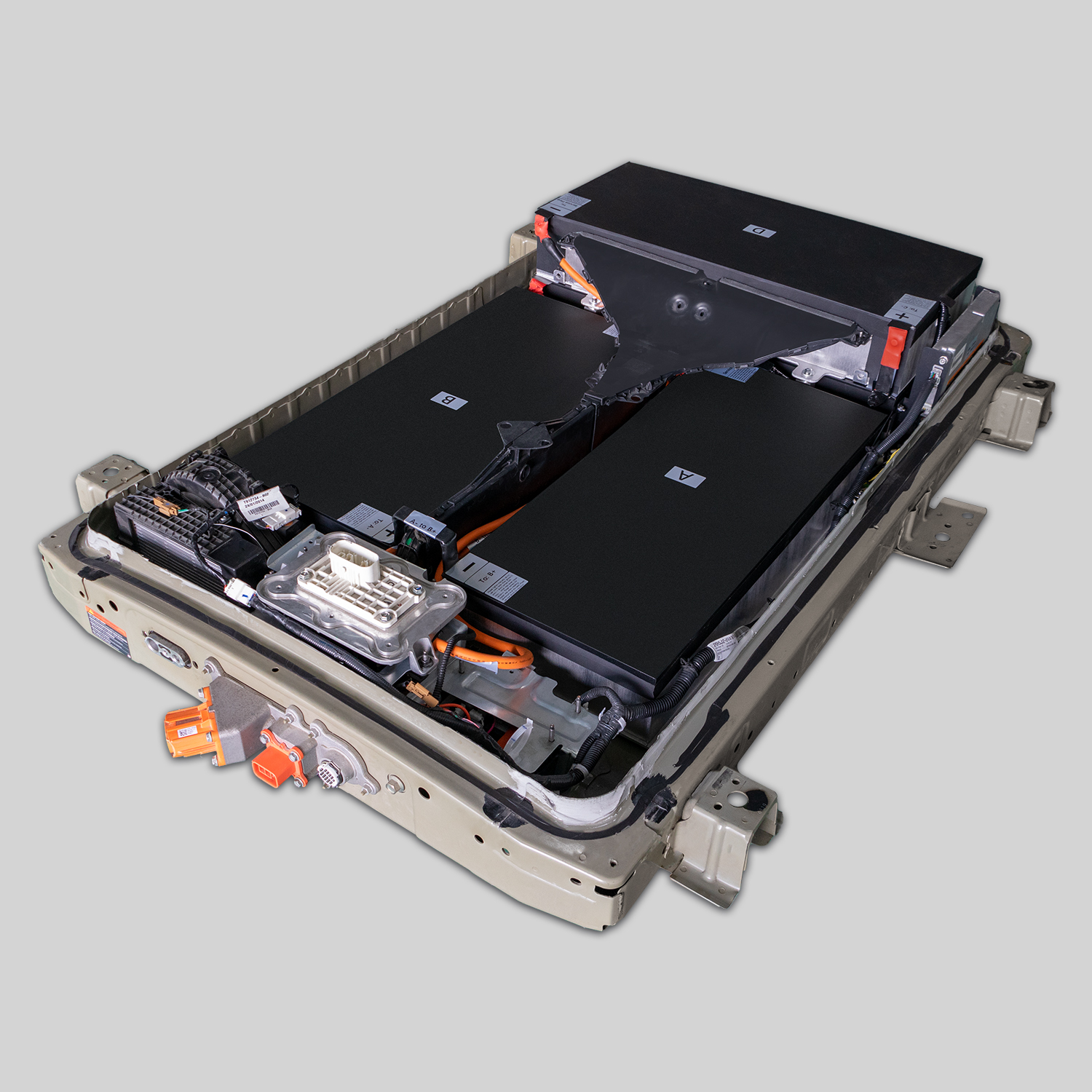
🚀 Unlock Superior Range: BMW i3 Battery Hacks & Upgrades
Owning a BMW i3 is a testament to loving innovative engineering and nimble urban driving. However, as the years roll by, even the best electric vehicles face the inevitable truth: battery degradation. If your trusty i3 is struggling to hit the 90-mile mark (or the 150km mark for the 60Ah/94Ah variants) on a charge, don’t panic. Range anxiety doesn’t have to mean retirement.
As a dedicated BMW i3 owner, you know the value of German engineering. But when the original cells start to fade, the official repair costs can be… well, astronomical. This guide isn’t just about patching up the problem; it’s about hacking your i3’s potential with modern solutions that offer better range and reliability at a fraction of the cost.
Here, we will explore practical “hacks” and the ultimate hardware upgrade: replacing your old pack with a brand-new, high-capacity solution.
1. The “Software Hack”: Maximizing What You Have
Before we talk about dropping the car and swapping batteries, let’s look at the easiest (and cheapest) way to squeeze more life out of your current pack.
The 80% Charging Rule
While it might be tempting to plug in to 100% every single night, lithium-ion chemistry prefers moderation. Lithium batteries degrade faster when held at high voltages.
- The Hack: Set your charging limit to 80-85% for daily use.
- The Result: You might lose 10-15 miles of range, but you will significantly slow down the aging process of your remaining healthy cells. Only charge to 100% when you actually need the range for a long trip.
Pre-Conditioning for Efficiency
The i3’s battery is happiest between 20°C – 30°C (68°F – 86°F). In winter, your range plummets because the car uses energy to heat the cabin and the battery.
- The Hack: Plug in and precondition the battery while still connected to the grid.
- The Result: By the time you get in the car, the battery is warm and efficient, and the cabin is toasty—without draining your precious state of charge (SOC).
2. The Hardware Hack: Why “Refurbished” is Often a Trap
You will find countless listings online for “refurbished” or “repaired” BMW i3 batteries. The price might look good, but here is the dirty secret the sellers won’t tell you: refurbished usually means “sorted junk.”
- The Reality: These shops buy crushed or degraded packs, test the cells, and put the “best of the worst” back together. You are essentially buying someone else’s old, tired cells.
- The Risk: Swelling, sudden death, and a range that degrades even faster than your original pack.
The Real Hack: Buying “New” vs. “Original”
The ultimate hack for 2026 is realizing you don’t have to buy the OEM BMW battery to get OEM quality. New aftermarket manufacturers, like CNS Battery, are now producing brand-new battery packs using fresh, top-tier cells (like CATL) that are engineered to fit the i3 chassis perfectly.
This isn’t a “refurbished hack”; it is a specification upgrade.
3. The Ultimate Upgrade: New Cells, Double the Life
If your battery is in the red (or you simply want a performance boost), the best “hack” is installing a brand-new battery pack.
Why New Aftermarket Packs are the 2026 Standard
Gone are the days when “aftermarket” meant “cheap knockoff.” Modern manufacturers have spent over a decade reverse-engineering and improving upon the original designs.
| Feature | Original/Old Battery | Refurbished “Hack” | Brand New Aftermarket (The Real Hack) |
|---|---|---|---|
| Cell Source | Original (Aged) | Salvaged/Used | Brand New (e.g., CATL) |
| Warranty | Expired / Short | Often None | 2 Years / 80,000 km |
| Cost | $12,000+ | $3,000 – $5,000 | ~50% Less than OEM |
| Risk | High (Swelling) | Very High | Low (Zero Defect Rate) |
The Technical Advantage
A new pack from a reputable manufacturer doesn’t just replace the old cells; it often upgrades them.
- Better Chemistry: Modern cells have improved energy density and thermal management.
- Plug-and-Play: These aren’t Frankenstein monsters wired together. They are engineered to bolt directly into your i3 without modifications.
- BMS Optimization: The Battery Management System (BMS) in new packs is often updated to prevent the common “10 Bar Syndrome” that plagues older i3s.
4. Real-World Results: What to Expect
Let’s talk numbers. If you are driving a 2014-2017 BMW i3 with the 60Ah or 94Ah battery, your usable range has likely dropped significantly.
- Original State: 81 – 114 miles (EPA).
- Current State (Degraded): 50 – 70 miles.
- After “The Hack” (New Pack): Back to 114+ miles (or more, depending on the specific new pack spec).
One of our recent clients, a mechanic in Texas, shared his experience: “I used to think aftermarket meant risky. After installing the new 45kWh equivalent pack from CNS, the car drives like new. The charging curve is perfect, and the range anxiety is gone. It was cheaper than half the price of a used battery quote I got from the dealer.”
5. How to Get Your “Hack” Installed
You don’t need to be a master electrician to benefit from this upgrade, but you do need a plan.
- Check Compatibility: Not all i3s are the same. The i3 (I01) has multiple variants (60Ah, 94Ah, 120Ah). You need a pack that matches your specific chassis.
- Get a Quote: Don’t guess on the price. The market has changed drastically in 2026.
- Installation: While this is a DIY possibility for the brave, we recommend having it installed by a shop familiar with high-voltage systems. The physical swap usually takes 1-2 hours.
Ready to hack your range and save thousands?
Don’t let a dead battery kill your driving joy. Get a free, no-obligation quote today and see how much you can save by upgrading to a brand-new, high-performance battery solution.
Get Your Free Custom Quote Now
FAQ: Your BMW i3 Battery Questions Answered
Q1: Is it safe to install an aftermarket battery in my BMW i3?
A: Safety is the top concern. Reputable manufacturers (like CNS) use brand-new, A-grade cells from suppliers like CATL. These cells undergo rigorous testing for overcharge, short-circuit, and thermal runaway. In many cases, these new packs are safer than your original 10-year-old battery, which may suffer from electrolyte dry-out or internal corrosion.
Q2: Will an aftermarket battery void my warranty or cause dashboard errors?
A: A high-quality, OEM-standard pack is designed to communicate seamlessly with your BMW’s systems. There should be no “Check Control” messages, and the dashboard should read the state of charge (SOC) and range accurately. Since most i3s on the road are out of the factory warranty period, this is rarely a concern, but the technical compatibility is there.
Q3: How long does the installation take?
A: For a professional technician, the physical installation (dropping the old pack and lifting in the new one) typically takes 1 to 2 hours. This does not include the time needed for diagnostic checks and BMS programming, which a competent shop should handle.
Q4: What is the warranty on these new packs?
A: Unlike the “as-is” gamble of refurbished batteries, new aftermarket packs come with substantial coverage. For instance, CNS Battery offers a 2-year / 80,000 km warranty, which often exceeds the remaining coverage on the original vehicle. This includes protection against manufacturing defects and performance degradation.
Q5: Can I really save 50% compared to the dealer price?
A: Absolutely. Dealers often charge exorbitant prices for discontinued or hard-to-find OEM batteries. The aftermarket leverages modern manufacturing and direct supply chains to offer brand-new hardware at roughly half the price, without the markup of a luxury car brand name.