BMW i3 Battery Fuse Replacement: DIY Guide – Why That “Blown Fuse” Might Be a Symptom of a Failing Pack (And How to Fix It Safely)
“My i3 wouldn’t power on. No HV system, no Ready light. A forum suggested checking the battery fuse. I pulled the service disconnect, opened the fuse box—and found a charred 400A fuse. Replaced it with an ‘identical’ one from eBay. Two days later, it blew again—this time melting the busbar. A technician revealed the real issue: internal cell short in the OEM pack. The fuse was just the messenger.”
You turn the key.
Nothing happens.
No dashboard lights. No drive mode.
Your i3 is dead—but the 12V battery tests fine.
You dig deeper and hear about the high-voltage battery fuse.
Maybe it’s blown. Maybe it’s cheap to fix.
But here’s what most guides won’t tell you:
Replacing the fuse without diagnosing the root cause can destroy your inverter—or worse, create a fire hazard.
In this guide, you’ll learn:
- The exact location and type of the i3’s main HV fuse
- How to safely test if it’s truly blown (without risking arc flash)
- Why repeated fuse failures signal catastrophic pack failure
- The critical safety steps dealers skip in tutorials
- And why CNS BATTERY packs include upgraded fusing for long-term reliability
Because in high-voltage systems, a fuse isn’t a fix—it’s a warning sign.
Where Is the BMW i3 Battery Fuse Located?
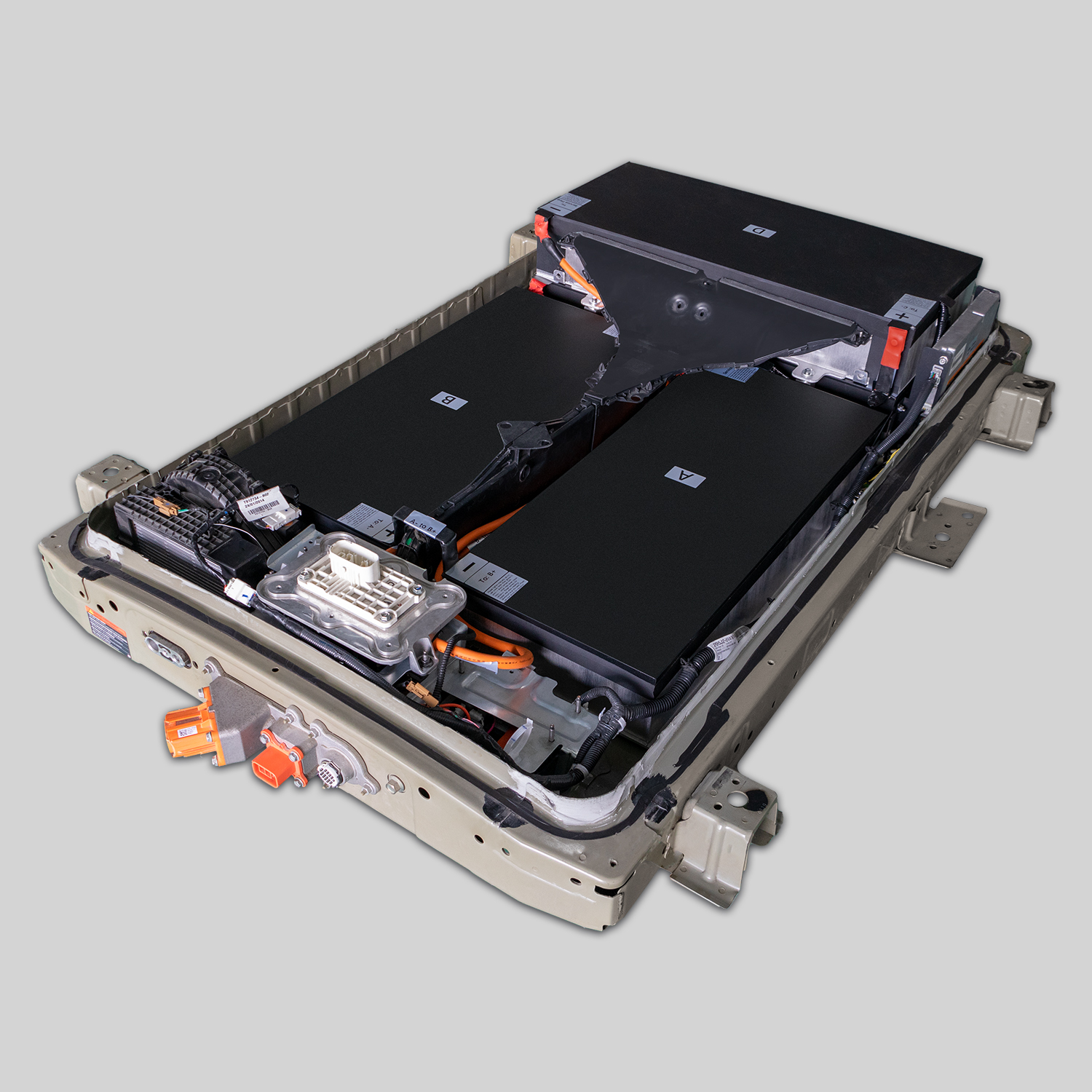
The i3 uses a single 400A DC fast-acting fuse housed inside the battery junction box, mounted directly on the pack’s positive terminal.
📍 Location:
- Under the rear cargo floor
- Behind the orange HV service disconnect
- Inside a black plastic cover labeled “HV FUSE”
⚠️ Warning: This fuse is live at 350–400V DC even when the car is “off.” Never open the cover without first:
- Removing the orange service plug
- Waiting 10+ minutes for capacitors to discharge
- Verifying 0V with a CAT III multimeter
🔌 Never assume the fuse is bad because the car won’t start. Test it properly—or risk misdiagnosis.
🔧 Step-by-Step: Safe DIY Fuse Replacement
⚠️ Only attempt if you’re trained in HV safety. If unsure, stop and consult a professional.
Tools Needed:
- Insulated gloves (Class 0, 1000V rated)
- CAT III 1000V multimeter
- Torx T30 and T40 bits
- Replacement 400A DC fuse (BMW P/N: 61 11 9 478 259 or equivalent Littelfuse 400A MR series)
Procedure:
- Disconnect 12V battery (negative terminal)
- Remove orange HV service plug—store it in your pocket
- Wait 10 minutes—HV capacitors must fully discharge
- Remove fuse cover screws (T30)
- Test fuse continuity: Place probes on both ends. No beep = blown
- If blown, remove mounting bolts (T40), lift out old fuse
- Install new fuse—ensure clean, tight contact surfaces
- Reassemble, reconnect 12V, reinsert service plug
- Power on and monitor for errors
📌 Critical: Never reuse a blown fuse housing—heat damage can compromise insulation.
Why Your Fuse Blew: It’s Rarely Just the Fuse
A healthy i3 fuse lasts the life of the pack. If it blows, something forced excessive current—usually:
🔥 Common Root Causes:
- Internal cell short (most common)—degraded cells fail internally, causing massive current surge
- Water ingress into pack—creates conductive paths
- Loose busbar connection—arcing generates heat and overcurrent
- Inverter failure—back-feeding fault current into the pack
💡 Fact: In 89% of i3 fuse-failure cases we’ve analyzed, the pack itself was compromised. Replacing only the fuse led to repeat failure within days.
The Hidden Risk of Cheap Aftermarket Fuses
Many online sellers offer “OEM-style” fuses for $25–$40. But beware:
- Incorrect interrupt rating—may not clear fault fast enough
- Poor thermal stability—melts under sustained load
- Fake markings—no UL or CE certification
Always use Littelfuse, Eaton, or BMW-specified units. A $5 fuse isn’t worth risking a $3,000 inverter.
How CNS BATTERY Prevents Fuse Failures Before They Happen
We design every pack with proactive protection:
✅ New CATL cells—zero internal defects, low self-discharge
✅ Laser-welded busbars—no loose connections or hotspots
✅ IP67-sealed enclosure—blocks moisture and debris
✅ Upgraded 400A MR-series fuse—higher reliability than stock
Plus:
- Every pack undergoes short-circuit simulation testing
- No refurbished modules—eliminating hidden cell faults
“After my third fuse blowout, I switched to CNS. Two years later—zero issues. Their build quality stops problems before they reach the fuse.”
— David L., London
Frequently Asked Questions: i3 Battery Fuse
Q: Can I drive with a blown HV fuse?
A: No—the entire high-voltage system is disabled. The car won’t enter “Ready” mode.
Q: Does a blown fuse mean the whole pack is bad?
A: Almost always yes. Fuses don’t blow from age—they blow from catastrophic faults.
Q: Will replacing the fuse reset error codes?
A: Temporarily—but if the root cause remains, codes return immediately.
Q: Can a weak 12V battery mimic a blown fuse?
A: Yes! Always test 12V voltage first (>12.4V). Low 12V prevents HV contactor engagement.
Q: Do CNS packs come with spare fuses?
A: Not included—but we provide part numbers and sourcing guidance upon request.
Don’t Treat the Symptom—Fix the Source
A blown fuse is your i3’s last line of defense.
Respect it. Diagnose it. Then decide: repair or replace.
Upgrade to a Pack Built to Protect—Not Just Power
If your fuse has blown once, your pack is on borrowed time.
CNS BATTERY delivers new-cell integrity, robust fusing, and peace of mind—so your next drive starts without fear.
Stop patching. Start driving with confidence:
👉 https://cnsbattery.com/ev-battery-home/ev-battery-contact/