
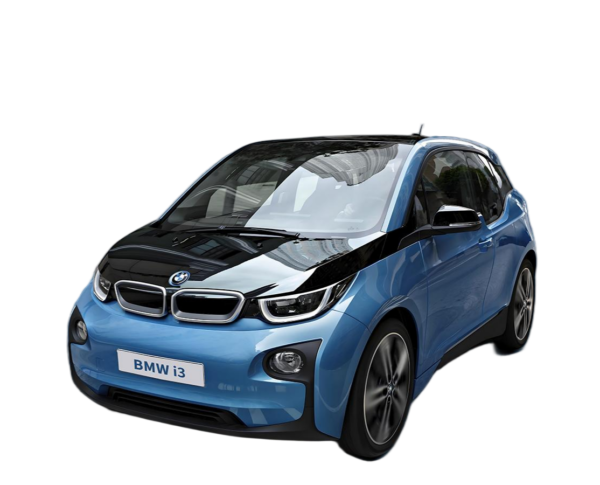
BMW i3 Battery for Beginners: Replacement Basics
Is your BMW i3 showing signs of battery degradation? Are you worried about the high costs of a dealership replacement? You are not alone. As a seasoned expert in electric vehicle (EV) powertrains, I have helped thousands of i3 owners navigate the complex world of battery replacement. The good news is that you don’t have to settle for a depreciated vehicle or a massive repair bill. This guide is designed for beginners, breaking down the entire process of replacing your BMW i3 battery into simple, actionable steps. We will cover the basics, from understanding your options to choosing a reliable aftermarket solution that fits your budget.
Understanding Your BMW i3 Battery Options
When it comes to replacing the battery in your BMW i3, you generally have three choices: buying from the dealership (OEM), purchasing a refurbished pack, or opting for a new aftermarket solution. Let’s break down the pros and cons of each to help you make an informed decision.
- Dealership (OEM) Replacement: This is the most expensive option. While it offers the original factory quality, the price tag is often 50% to 80% higher than aftermarket alternatives. For many, this cost is simply prohibitive.
- Refurbished Batteries: These are cheaper than OEM but come with significant risks. Since they are made from recycled cells, they often have a short lifespan and a high failure rate. You might save money upfront, but you could be facing another replacement in a year or two.
- New Aftermarket Batteries: This is the “sweet spot” for most i3 owners. Companies like CNS BATTERY offer brand-new battery packs using high-quality cells (such as CATL) that are engineered to OEM standards but at a fraction of the cost. They offer a balance of affordability, performance, and longevity.
The Replacement Process: What to Expect
Replacing a BMW i3 battery is a significant task, but it doesn’t have to be a mystery. Here is a simplified overview of what the process typically involves.
1. Compatibility Check
Before you buy anything, you must verify compatibility. The BMW i3 has several different models and battery configurations (such as the 45kWh, 50kWh, and 62kWh variants). You will need to provide your Vehicle Identification Number (VIN) to ensure the new battery matches your car’s specific voltage, capacity, and interface requirements.
2. The Installation
Physically removing the old battery and installing the new one usually takes a professional technician about 1 to 2 hours. The process involves disconnecting the vehicle’s power, removing the mounting brackets, swapping the packs, and reconnecting the cables. While some experienced DIYers do this themselves, it is highly recommended to use a certified technician to avoid safety hazards and warranty issues.
3. Programming and Testing
Once the physical installation is complete, the battery management system (BMS) needs to be programmed to recognize the new pack. This is a critical step. A reputable supplier will provide detailed programming guides or even remote video support to ensure your car’s dashboard reads the battery correctly and you achieve the full advertised range.
Why Choose a New Aftermarket Battery?
If you are considering an aftermarket solution, you might be wondering what makes it a better choice than the other options. Based on my experience with the market, here are the key advantages:
- Cost-Effectiveness: You can save up to 50% compared to the dealership price. This makes it a financially viable option for keeping your i3 on the road for years to come.
- Performance: New aftermarket batteries often use top-tier cells from manufacturers like CATL. This means you get a battery with zero mileage, capable of delivering the full range and fast-charging capabilities your car was designed for.
- Warranty Coverage: Reputable aftermarket brands offer comprehensive warranties. For instance, CNS BATTERY provides a 2-year or 80,000 km warranty, which often exceeds the coverage offered by some original manufacturers for replacement parts.
Making the Decision
Replacing your BMW i3 battery is a big step, but it is also a smart investment in your vehicle. By choosing a new aftermarket battery, you are not just buying a part; you are reviving your car’s performance at a fraction of the cost. Remember to always verify compatibility with your specific model year and VIN, and look for a supplier that offers strong technical support and a solid warranty.
Ready to get your BMW i3 back to its full potential? Don’t let battery anxiety stop you. Contact our team of technical experts today for a free, no-obligation quote and compatibility assessment.
Contact Us for a Free Custom Quote
Frequently Asked Questions (FAQ)
1. How long does a BMW i3 battery replacement take?
The physical installation typically takes a professional mechanic between 1 and 2 hours. However, the entire process, including diagnostics, programming, and testing, might take a bit longer to ensure everything is functioning perfectly.
2. Is it safe to install an aftermarket battery in my BMW i3?
Yes, it is safe, provided you purchase from a reputable manufacturer that adheres to strict OEM standards. Look for batteries that use brand-new, high-quality cells and have passed rigorous safety certifications.
3. Will a new battery fix the range issues in my BMW i3?
Absolutely. A brand-new battery pack will restore your i3 to its original factory range. Unlike refurbished batteries that may have degraded cells, a new pack offers zero mileage and maximum capacity, effectively eliminating range anxiety.

