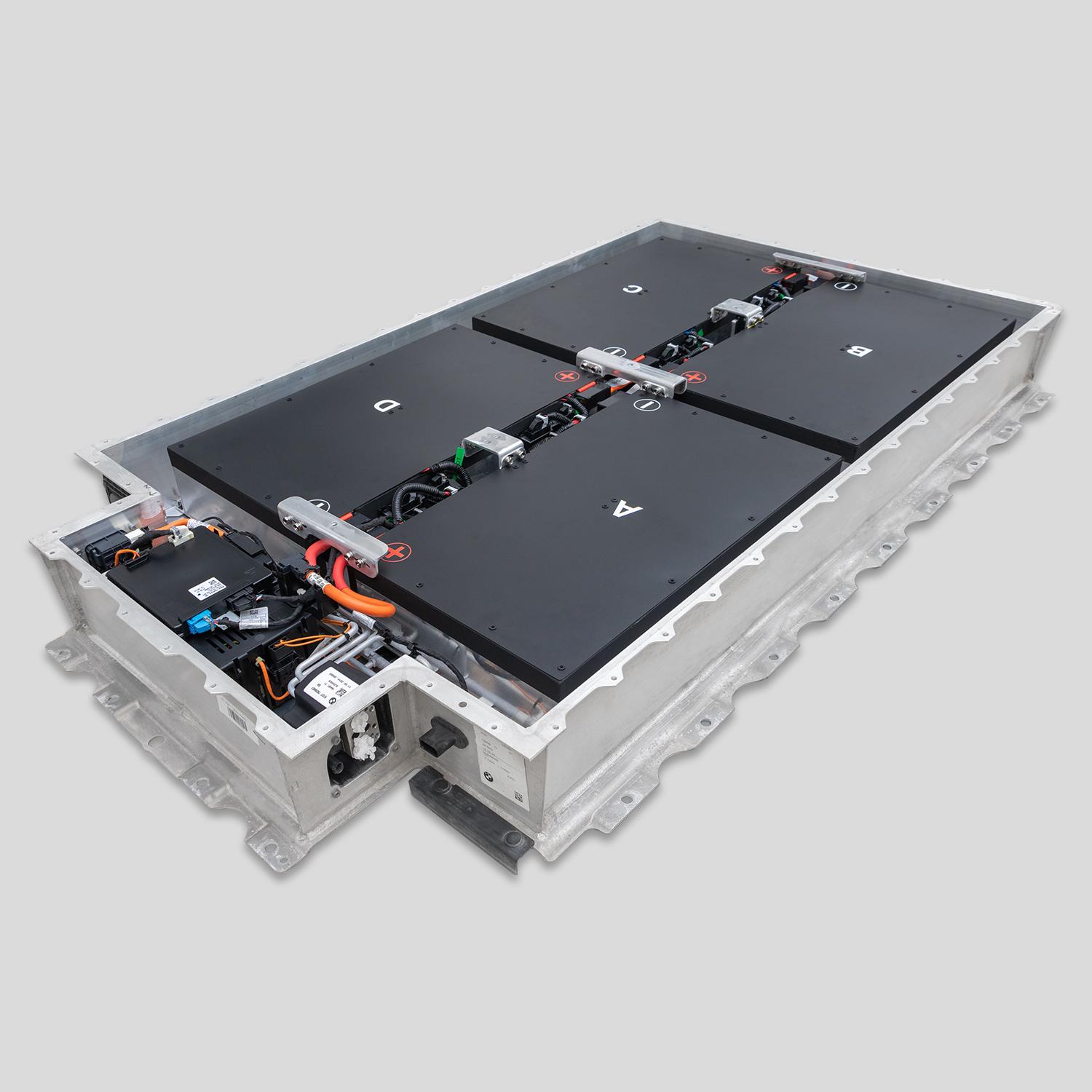
BMW i3 Battery Fault Codes: Your Step-by-Step Decoder—And When to Stop Clearing Them
You’re halfway to work when your BMW i3 dashboard flashes red: “High-Voltage System – Service Required.” Panic sets in. Is it safe to keep driving? Can you just “reset” the warning and hope it goes away?
Many i3 owners have been there. And while it’s tempting to grab a cheap scanner or disconnect the 12V battery to make the light disappear, that approach could leave you stranded—or worse.
The truth is, BMW i3 battery fault codes are diagnostic breadcrumbs, not random glitches. Understanding what they mean—and when they signal irreversible battery wear—is the key to making smart, safe decisions.
In this guide, we’ll walk you through how to read, interpret, and responsibly respond to the most common high-voltage fault codes—plus reveal when a code isn’t a software hiccup, but a final warning from a failing pack.
Why “Clearing” Isn’t Always the Answer
Modern EVs like the BMW i3 rely on a tightly integrated network of sensors and control units. When something deviates—even slightly—the system logs a Diagnostic Trouble Code (DTC) and may limit performance to protect you.
But here’s the critical distinction:
- Intermittent codes (e.g., after a DC fast charge or cold start) may resolve on their own.
- Recurring or hard faults almost always point to physical degradation or hardware failure.
Clearing a hard fault without addressing its cause is like removing a fever thermometer while ignoring the infection. The problem doesn’t vanish—it just hides until it’s too late.
How to Read BMW i3 Battery Fault Codes (Without Guessing)
Unlike conventional cars, the i3’s high-voltage system requires BMW-specific diagnostic tools to access meaningful data. Generic OBD2 scanners often miss critical codes entirely.
✅ Recommended Tools:
- BMW ISTA/P (dealer-level, most accurate)
- Autel MaxiCOM MX808 or IM608 (supports EME/BMS modules)
- Foxwell NT510 with BMW package
📌 Pro Tip: Free apps like BimmerCode or Carly can read some codes—but cannot clear high-voltage DTCs or access deep BMS data.
Once connected, navigate to:
- EME (Electric Machine Electronics)
- SME (Storage Module Electronics – the BMS)
- KOMBI (instrument cluster for warning history)
Look for codes starting with 0x5xxx—these relate directly to the high-voltage battery system.
Top 5 BMW i3 Battery Fault Codes Decoded
| Code | Description | Likely Cause | Safe to Clear? |
|---|---|---|---|
| 0x54A3 | HVIL Circuit Open | Loose/disconnected orange cable, damaged interlock loop | ❌ No – indicates safety circuit breach |
| 0x51C8 | Cell Voltage Imbalance > Threshold | Aging/degraded modules; one cell group weaker than others | ⚠️ Only if temporary; recurring = pack failure |
| 0x5210 | Battery Temperature Sensor Plausibility Error | Failed sensor in module or broken wiring | ❌ No – thermal management compromised |
| 0x53E2 | SOC Estimation Drift | BMS miscalibration due to inconsistent charging cycles | ✅ Yes – if cells are healthy and range is stable |
| 0x54F1 | Insulation Resistance Too Low | Moisture ingress, internal short, or damaged HV cabling | ❌ Critical – do not drive; risk of shock/fire |
If you see multiple codes or any red warnings, assume the system has entered failsafe mode. Driving is not advised.
The Hidden Link Between Fault Codes and Battery Health
Here’s what dealers rarely tell you: many “electrical faults” are actually symptoms of aging cells.
For example:
- A voltage imbalance (0x51C8) often appears when one module drops below 80% capacity while others are at 90%.
- Temperature errors (0x5210) can stem from increased internal resistance in worn cells, causing localized heating.
- Even HVIL faults sometimes trace back to swollen modules pushing connectors out of alignment.
In these cases, clearing the code might restore function for a few days—but the underlying degradation remains. And each recurrence accelerates the pack’s decline.
Real story: Thomas B. from Amsterdam kept resetting his 0x51C8 code for months. His range dropped from 180 km to 90 km. After installing a new CNS 50kWh pack, the code never returned—and his range jumped to 348 km.
The Smarter Fix: Replace the Root Cause, Not Just the Symptom
Instead of playing whack-a-mole with fault codes, consider this:
A brand-new CNS BATTERY pack for your BMW i3 comes with:
- Zero fault history – fully tested before shipping
- Fresh CATL lithium cells – no imbalance, no hidden wear
- OEM-compatible BMS – seamless communication, no phantom errors
- 2-year / 80,000 km warranty – including coverage for electrical faults caused by the pack
It’s not just a repair. It’s a system reset—from chemistry to software.
Don’t Drive Blind—Diagnose With Confidence
Your BMW i3’s fault codes are trying to tell you something. Listen carefully. Respond wisely. And when the signs point to an aging battery, choose a solution that lasts.
Got a Code? Let Our Engineers Decode It—Free
Send us your exact fault code(s), model year, and current battery bar count. We’ll tell you whether it’s a minor glitch… or time for a reliable, future-proof replacement.
👉 Contact CNS BATTERY Technical Support Now
FAQ: BMW i3 Battery Fault Codes & Diagnostics
Q: Can I use my phone to read i3 battery codes?
A: Apps like BimmerLink can show some live data and basic warnings, but cannot access EME/SME modules where true battery codes live. You need a professional-grade scanner.
Q: Will a dealer clear these codes for free?
A: Unlikely. Most dealers will charge a diagnostic fee ($100–$200) and likely recommend a full OEM battery replacement—often at 2–3x the cost of a CNS pack.
Q: Do fault codes erase themselves over time?
A: “Pending” codes may clear after 3–5 successful drive cycles. But “Stored” or “Confirmed” codes remain until manually cleared—and usually return quickly if the fault persists.
Q: Can a bad 12V battery trigger high-voltage codes?
A: Yes! The BMS needs stable 12V power to operate. Always test your auxiliary battery first—it’s a $150 fix vs. a $7,000 battery mistake.
Q: Are CNS packs pre-coded to avoid fault triggers?
A: Absolutely. Every pack undergoes full CAN bus simulation testing to ensure it communicates flawlessly with your i3’s existing systems—no adaptation needed.