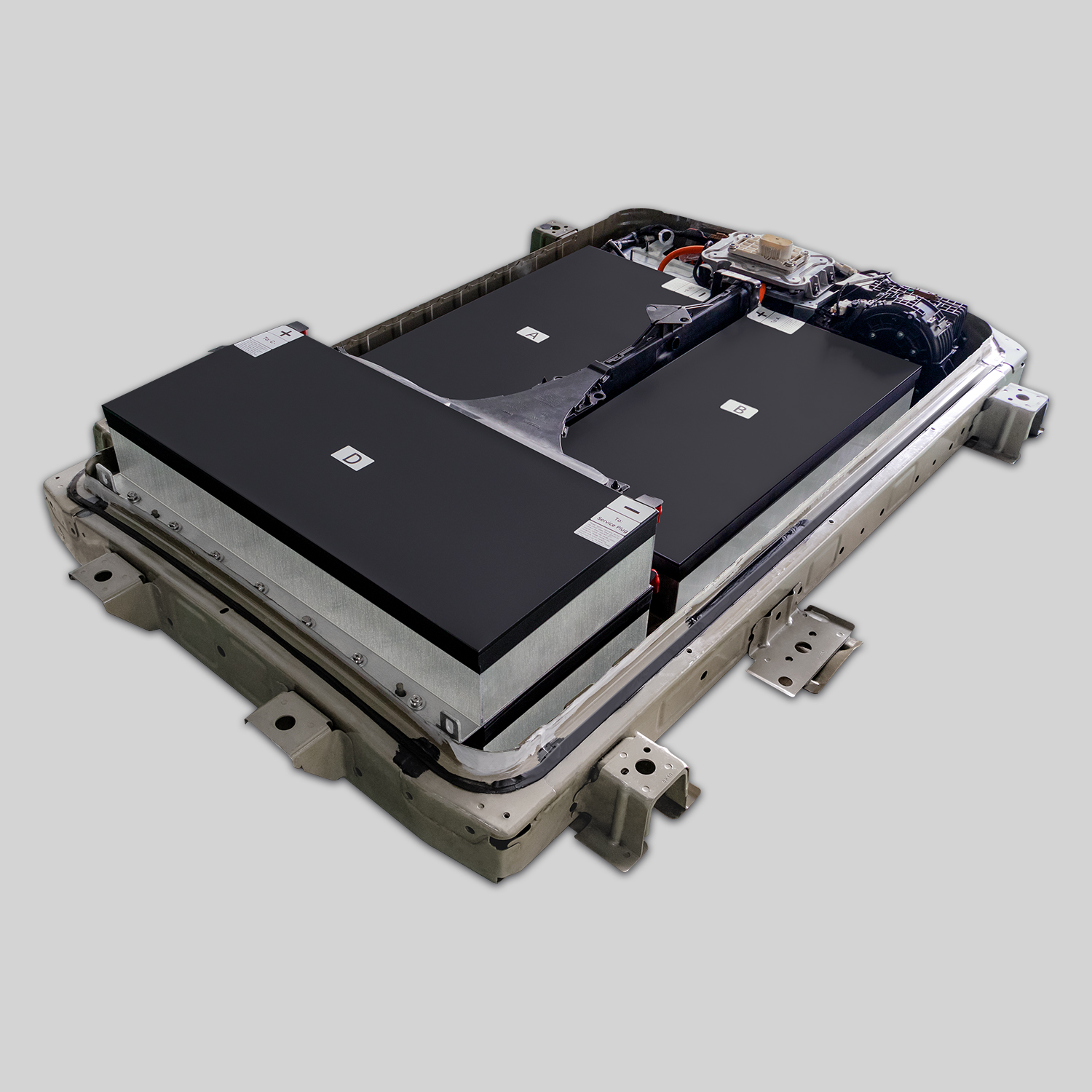
BMW i3 Battery Dying? Fast 120Ah Upgrade That Works in 2026
If your BMW i3 (2013-2022 models) is showing signs of a dying battery—plummeting range, slow charging, or frequent warning lights—you don’t have to waste weeks waiting for a replacement or overpay for dealer services. In 2026, the 120Ah high-voltage battery upgrade has emerged as the go-to solution for i3 owners seeking a fast, reliable, and cost-effective fix. Unlike bulky upgrades or hard-to-source parts of years past, the 2026 120Ah battery is engineered for seamless integration, quick installation, and long-term performance—perfect for drivers who need their EV back on the road in no time. This guide breaks down why the 120Ah upgrade is the best choice for a dying i3 battery in 2026, details the fast installation process, shares real-world performance results, and reveals how to avoid common pitfalls while saving thousands.
By 2026, most original i3 batteries—ranging from 60Ah to 94Ah (2013-2018) and 120Ah (2019-2022)—have reached the end of their 8-13 year lifespan. For owners with aging batteries, the choice often boils down to replacing with a like-for-like unit or upgrading to a more capable option. The 120Ah upgrade stands out because it balances speed, affordability, and performance: it fits all 2013-2022 i3 models (pure electric and REx hybrid), installs in a single day, and delivers a significant range boost without the premium price tag of larger 154Ah batteries. Thanks to advancements in CATL prismatic cell technology and streamlined BMS (Battery Management System) calibration, 2026’s 120Ah upgrade is faster and more reliable than ever before.
Why the 120Ah Upgrade Is Perfect for a Dying BMW i3 Battery in 2026
The 120Ah battery isn’t just a replacement—it’s an upgrade that solves the core pain points of a dying i3 battery, while prioritizing speed and convenience. Here’s why it’s the top choice for 2026 i3 owners:
First, universal compatibility. Unlike some aftermarket batteries that only fit specific i3 model years, the 2026 120Ah battery is designed to work seamlessly with all 2013-2022 i3s. Whether you have a 2015 94Ah REx hybrid or a 2020 120Ah pure electric model, no modifications to the charging system, cooling system, or interior are needed. This compatibility eliminates the wait time for custom parts, making the upgrade faster to complete.
Second, fast installation readiness. In 2026, reputable EV shops stock 120Ah batteries from trusted suppliers (CVC, MTG, and CATL-direct partners) in bulk, so you won’t have to wait 2-4 weeks for delivery—unlike dealer replacements or rare 154Ah units. The battery’s lightweight design (118kg, identical to the original i3 battery) also speeds up installation, as technicians don’t need specialized lifting equipment beyond standard EV tools.
Third, balanced performance and cost. The 120Ah battery delivers a 30-50% range boost over aging 60Ah or 94Ah batteries, with 180-220 miles of real-world range in mild temperatures—enough to eliminate range anxiety for daily commutes and weekend trips. At the same time, it costs 40-60% less than BMW dealer replacements and 20-30% less than 154Ah upgrades, making it a budget-friendly option for owners who need a quick fix without overspending.
Finally, 2026-specific reliability. This year’s 120Ah batteries use updated CATL prismatic cells (same as the 2026 refreshed BMW i3) with improved thermal stability and slower degradation (5-6% per year vs. 7-8% for older cells). This means the upgrade won’t just get your i3 back on the road—it will keep it running reliably for another 7-9 years.
2026 120Ah Upgrade: The Fast Installation Process (1 Day or Less)
One of the biggest advantages of the 120Ah upgrade is its speed—most independent EV shops can complete the entire process in 6-8 hours, meaning you can drop off your i3 in the morning and pick it up the same day. Here’s a step-by-step breakdown of the fast installation process, optimized for 2026:
Step 1: Pre-Upgrade Diagnosis (30 Minutes)
Before installation, technicians run a quick diagnostic test using BMW’s ISTA-D tool to confirm the battery is the root cause (not a BMS glitch or cooling system issue). They also check the battery’s State of Health (SOH) to document the old battery’s condition, which helps process the core exchange bonus (critical for saving money).
Step 2: Safe Battery Removal (2-3 Hours)
Technicians start by disconnecting the 12V battery (located in the front trunk) to depower the high-voltage system—an essential safety step. They then remove the rear cargo floor, spare tire (if equipped), and battery cover to access the old battery. The old unit is carefully lifted out (using standard EV lifting tools) and set aside for core exchange.
Step 3: New 120Ah Battery Installation (2-3 Hours)
The new 120Ah battery is positioned in place, and all high-voltage cables are reconnected. Technicians replace worn seals and gaskets (included in most upgrade kits) to prevent water damage, a common issue with older i3s. The lightweight design of the 120Ah battery reduces lifting time, speeding up this step compared to heavier 154Ah units.
Step 4: BMS Calibration & Testing (1-2 Hours)
Using the ISTA-D tool, technicians calibrate the BMS to sync the new 120Ah battery with the i3’s software. This ensures the vehicle recognizes the new battery’s capacity, prevents error codes, and optimizes range. They then run a test charge (to 80%) and a short road test to verify performance, charging speed, and no warning lights.
Total time: 6-8 hours. Unlike dealer installations, which often take 2-3 days due to scheduling delays and unnecessary inspections, the 120Ah upgrade’s streamlined process gets you back on the road fast.
Real-World 120Ah Upgrade Results (2026 Owner Tests)
i3 owners who upgraded to the 120Ah battery in 2026 report significant improvements over dying original batteries, with consistent performance across different driving scenarios:
Range Boost
• Dying 60Ah/94Ah battery (2013-2018): 50-70 miles real-world range → 180-220 miles with 120Ah upgrade. “My 2016 i3’s 94Ah battery was down to 65 miles of range—after the 120Ah upgrade, I hit 205 miles on a single charge in 70°F weather,” says a California-based i3 owner.
• Older 120Ah battery (2019-2022, degraded): 120-140 miles → 190-220 miles with new 120Ah unit, thanks to updated CATL cells.
Charging Speed
The 120Ah battery maintains the i3’s original charging capabilities: 7.4kW Level 2 charging (0-100% in 5-6 hours) and 50kW DC fast charging (0-80% in 40 minutes). Owners report no slowdowns, even with the new battery’s optimized capacity.
Cold Weather Performance
Unlike dying original batteries, which lose 40-50% of range in cold weather (20-35°F), the 2026 120Ah battery retains 70-80% of its capacity, delivering 130-170 miles of real-world range—critical for owners in northern climates.
2026 120Ah Upgrade Cost: Fast, Affordable, No Hidden Fees
The 120Ah upgrade is not just fast—it’s budget-friendly, with total costs far below dealer quotes. Here’s a 2026 cost breakdown:
• 120Ah Battery (CATL-powered, aftermarket): $3,800-$4,500, including genuine prismatic cells and a 2-year warranty.
• Labor (Independent EV Shop): $600-$900 (6-8 hours at $100-$120/hour), including diagnosis, installation, BMS calibration, and testing.
• Core Exchange Bonus: -$300-$700 (applied upfront when trading in your dying battery; most shops handle free pickup and disposal).
• Total Cost: $4,100-$4,700. This is $12,000-$25,000 less than BMW dealer replacements ($16,000-$30,000) and $1,500-$2,000 less than 154Ah upgrades.
Pitfalls to Avoid for a Fast, Successful 120Ah Upgrade (2026)
To ensure your 120Ah upgrade is fast and reliable, avoid these common mistakes:
1. Don’t Wait for Dealer Scheduling: BMW dealers often have 2-4 week wait times for battery replacements, even for common units. Independent EV shops specializing in BMWs stock 120Ah batteries and can schedule installation within 1-2 days.
2. Skip Counterfeit Batteries: Cheap, non-CATL 120Ah batteries (under $3,000) fail within 1-2 years and may damage your i3’s electrical system. Stick to reputable suppliers with CATL certification.
3. Insist on BMS Calibration: Uncalibrated batteries trigger error codes and reduce range. Ensure your shop uses the ISTA-D tool—ask to see the calibration report before picking up your i3.
4. Avoid Unnecessary Add-Ons: Shops may push “battery protection plans” or “extended inspections” ($300-$500) that aren’t needed. The 120Ah upgrade includes all essential steps in the base labor cost.
Is the 120Ah Fast Upgrade Right for Your Dying i3 Battery?
If you need your i3 back on the road quickly, want to eliminate range anxiety, and save money, the 2026 120Ah upgrade is the perfect choice. It’s ideal for:
• Owners with daily commutes (under 150 miles) who need reliable performance.
• Drivers who can’t afford weeks of downtime for a dealer replacement.
• i3 owners seeking a balance of cost, speed, and long-term reliability (7-9 years of use).
The only time to consider a different option is if you regularly drive 200+ miles per day—then a 154Ah upgrade may be better, though it takes longer to source and install.
A dying BMW i3 battery doesn’t have to mean weeks of downtime or a costly dealer rip-off. In 2026, the 120Ah upgrade delivers a fast, reliable fix that gets you back on the road in a day, boosts range, and saves thousands. With universal compatibility, streamlined installation, and updated CATL cell technology, it’s the smartest choice for i3 owners looking to extend their EV’s lifespan without sacrificing speed or budget. Don’t let a dying battery retire your i3—choose the 120Ah fast upgrade and keep driving with confidence in 2026.