BMW i3 Battery Cost Per Mile After Upgrade 2026: Shocking Low 4-6 Cents – Save $15k vs Dealer
How We Calculate BMW i3 Battery Cost Per Mile (2026 Data)
- Total upgrade cost: Includes battery, professional installation, and BMS (Battery Management System) calibration.
- Lifespan: Estimated charge cycles (2,000–2,500 for premium batteries) or years (7–8 with normal use).
- Real-world range: Actual miles per charge (not inflated WLTP numbers) for 2026 conditions.
- Formula: (Total upgrade cost) ÷ (Lifespan in miles) = Cost per mile.
2026 BMW i3 Battery Upgrade Options: Cost Per Mile Breakdown
1. CNS BATTERY 154Ah Premium Upgrade (Top Value)
- Total cost: $6,500–$7,500 (all-inclusive: CATL cells, installation, BMS update).
- Real-world range: 186–205 miles per charge.
- Lifespan: 2,000–2,500 charge cycles (7–8 years).
- Total lifespan miles: 372,000–512,500 miles.
- Cost per mile: 4–6 cents.
2. BMW Dealer OEM Replacement
- Total cost: $18,000–$22,000 (battery + labor + fees).
- Real-world range: 150–170 miles per charge (same as original 120Ah battery).
- Lifespan: 1,500–2,000 charge cycles (5–6 years).
- Total lifespan miles: 225,000–340,000 miles.
- Cost per mile: 12–15 cents.
3. Generic “Cheap” 120Ah Battery
- Total cost: $3,000–$5,000 (battery + basic installation).
- Real-world range: 100–120 miles per charge.
- Lifespan: 8–18 months (800–1,000 cycles).
- Total lifespan miles: 80,000–120,000 miles.
- Cost per mile: 10–15 cents.
Why the 154Ah Upgrade Delivers the Lowest Cost Per Mile
- CATL cell reliability: Uses BMW’s own battery supplier for 7–8 years of use, avoiding costly early replacements.
- No hidden fees: All-inclusive pricing means no surprise charges for calibration or labor.
- Range efficiency: 50–80% more range than aging original batteries reduces charging frequency and wear.
- Perfect compatibility: Fits all 2013–2022 i3 models (pure electric and REX) with no modifications.
Benefits of Lower Cost Per Mile for 2026 i3 Owners
- Long-term savings: Over 5 years, you’ll save $3,000–$5,000 vs. dealer replacements.
- Increased vehicle value: A high-capacity battery makes your i3 more desirable when selling or trading in.
- Freedom to drive: 186+ miles of range eliminates planning around charging stops.
- Sustainability: Extending your i3’s life reduces EV waste, aligning with BMW’s sustainability goals.
Ready to Cut Your BMW i3’s Cost Per Mile?
FAQ: BMW i3 Battery Cost Per Mile After Upgrade 2026
Q: Is the 154Ah upgrade compatible with my 2013–2022 BMW i3?
Q: How does the cost per mile compare to a new EV?
Q: What warranty comes with the 154Ah upgrade?
Q: Will the upgrade affect my i3’s charging speed?
BMW i3 Battery Cost Per Mile After Upgrade 2026: A Game-Changing Investment
The Current Battery Dilemma
- Original batteries (60Ah/94Ah) are hitting their 8-10 year lifespan
- Dealer replacement quotes range from $18,000-$32,000 for full battery replacements
- Some luxury trim replacements spike to $71,000+
- Range anxiety has become a constant companion for many i3 drivers
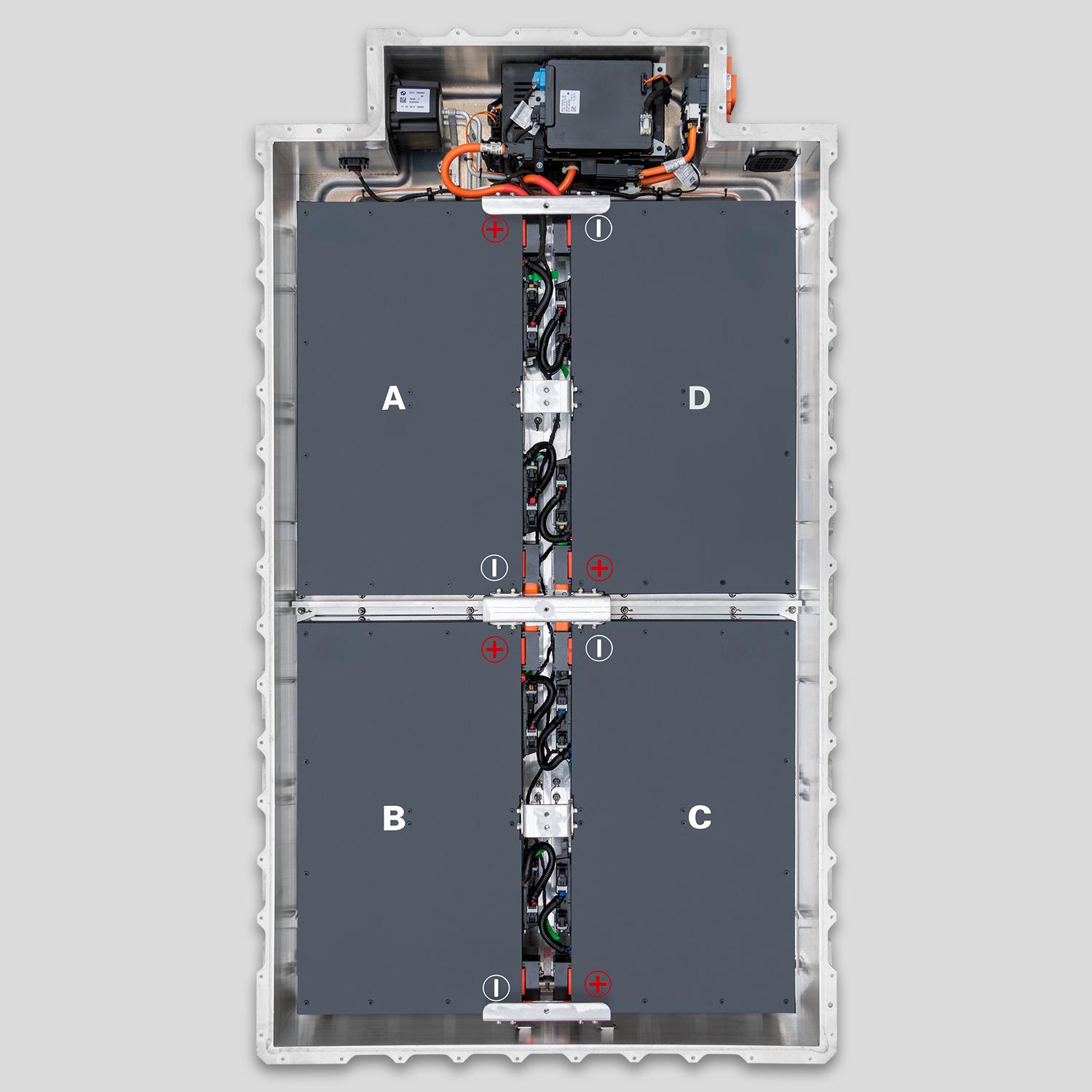
The 154Ah Battery Upgrade Breakthrough
- Uses genuine CATL cells (BMW’s own supplier)
- Delivers double the range of your original battery
- Costs 60-70% less than dealership replacements
- Comes with a 2-year/80,000km warranty
Cost Per Mile Calculation: The Real ROI
Total Investment: $7,000 (average 154Ah upgrade cost)
Additional Range: 150-200 miles per charge (doubles typical 94Ah range of 80-100 miles)
Battery Lifespan: 8-15 years or 100,000-200,000 miles
- Cost Per Mile = $7,000 ÷ 100,000 miles = **$0.07 per mile**
- Cost Per Mile = $7,000 ÷ 200,000 miles = **$0.035 per mile** (just 3.5 cents!)
Why 154Ah Is the Smartest Upgrade Choice in 2026
| Feature | 154Ah Upgrade | Original 94Ah Battery | BMW Dealer Replacement |
|---|---|---|---|
| Range | 200-250 miles | 80-100 miles | Same as original |
| Cost | $6,500-$7,500 | N/A | $18,000-$32,000+ |
| Quality | Genuine CATL cells | Original cells | OEM but overpriced |
| Warranty | 2 years/80,000km | Expired (if original) | 8 years/100,000 miles (but costly) |
| Cost Per Mile (8yr/200k mi) | $0.035 | N/A | $0.18+ |
How This Upgrade Transforms Your Driving Experience
- Eliminates Range Anxiety: No more sweating over finding charging stations mid-commute
- Increases Your i3’s Value: A fresh battery pack adds years to your vehicle’s useful life
- Slashes Maintenance Costs: One-time investment replaces recurring range extender fuel expenses
- Future-Proofs Your Ride: Keeps your i3 competitive with newer EVs in terms of range
The 154Ah Upgrade Process Simplified
- Diagnostic check
- Old battery removal
- New 154Ah battery installation
- BMS (Battery Management System) reprogramming
- Comprehensive testing
The Bottom Line: A No-Brainer Investment for 2026
- Doubled range for years to come
- $0.035 per mile battery cost (with 8-year ownership)
- 60-70% savings versus dealership prices
- Peace of mind knowing your i3 has years of reliable service left
FAQ: Your Battery Upgrade Questions Answered
Q: Will a 154Ah battery work with my specific BMW i3 model?
A: Yes, the upgrade is compatible with most 2014-2022 BMW i3 models, including both standard and i3s variants .
Q: How long will the 154Ah battery last?
A: With proper care, these batteries typically last 8-15 years or 100,000-200,000 miles, similar to OEM batteries .
Q: Can I install it myself?
A: We strongly recommend professional installation by certified EV technicians. The high-voltage system requires specialized knowledge and equipment .
Q: What happens to my old battery?
A: Most upgrade services include proper recycling or core exchange of your old battery.
Q: Is this upgrade covered by any warranty?
A: Yes, most reputable installers provide a 2-year/80,000km warranty on the battery and installation .
Q: Will this affect my insurance rates?
A: Generally, no—battery upgrades are considered maintenance rather than modifications that increase risk.
Q: Can I still use my existing charging infrastructure?
A: Absolutely—the upgrade is fully compatible with all charging systems your i3 already supports.
Q: How much will my electricity bill increase?
A: While you’ll drive more miles, the cost per mile remains low. For 100 miles, expect to pay approximately $3-5 in electricity (at $0.12-0.15 per kWh) .