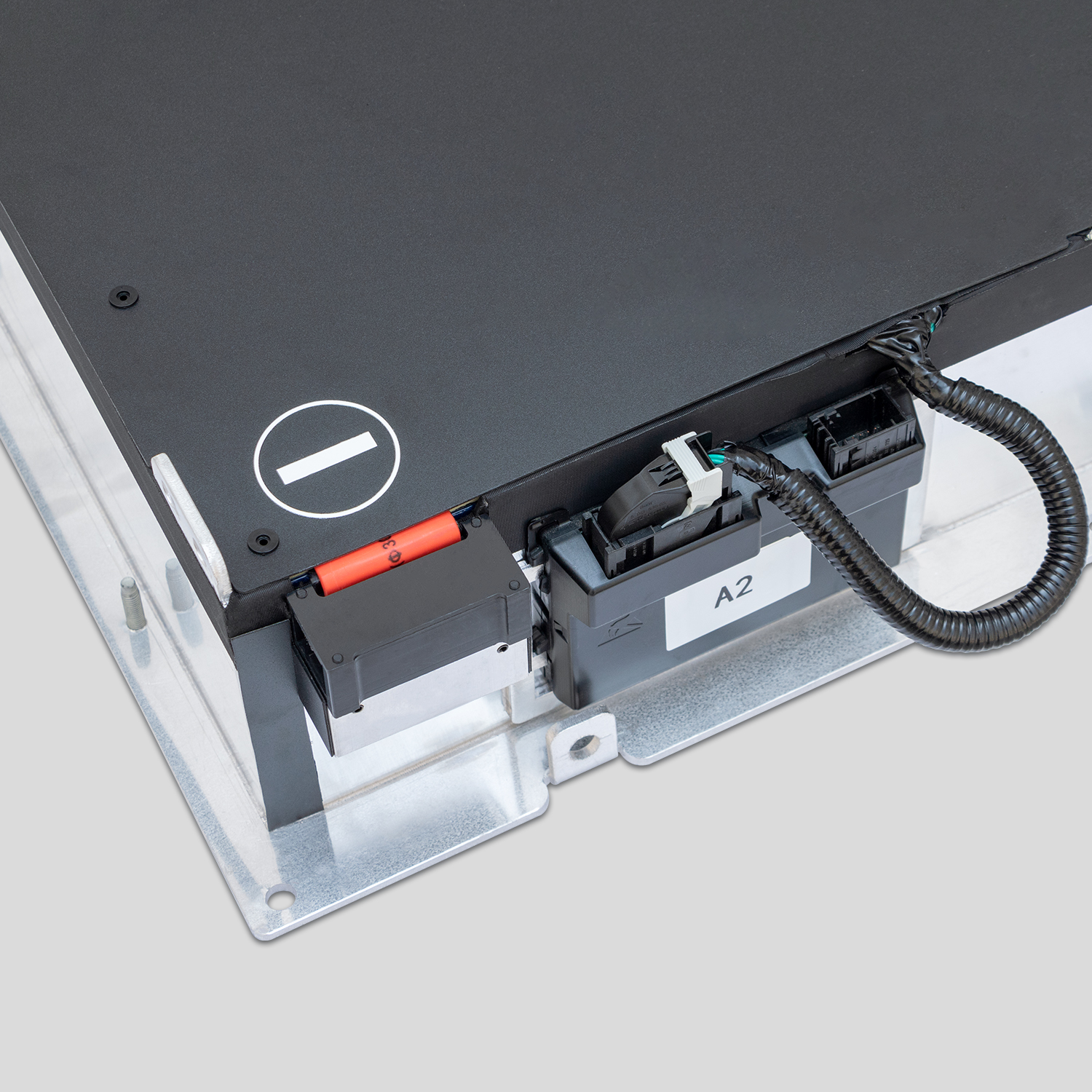
BMW i3 Battery Cost Comparison: Dealer vs Third-Party 2025
For 2013-2022 BMW i3 owners, 2025 is a year of critical decision-making when it comes to battery replacements. As hundreds of thousands of these iconic EVs reach the 8-12 year mark—their original battery’s typical lifespan—owners face a stark choice: pay premium prices for BMW dealer replacements or opt for more affordable third-party options. The gap between these two paths has never been wider, with dealer quotes soaring to $65,000+ for rare trims[superscript:1], while reputable third-party suppliers offer comparable quality for half or less. This guide breaks down the 2025 cost comparison between BMW dealer and third-party i3 batteries, explores hidden fees, quality differences, warranty coverage, and helps you decide which option aligns with your budget and long-term goals—all backed by 2025 market data and owner feedback.
2025’s EV battery landscape has shifted dramatically for the i3, driven by BMW’s transition to sixth-generation eDrive technology with 46mm cylindrical cells[superscript:1][superscript:3]. As the automaker redirects production from the prismatic cells used in legacy i3s to focus on new cylindrical designs, dealer prices for genuine batteries have spiked due to limited supply[superscript:1]. Meanwhile, third-party suppliers—many sourcing cells directly from BMW’s own partners like CATL[superscript:1][superscript:3]—have stepped in to fill the gap, offering OEM-grade alternatives at a fraction of the cost. For most i3 owners, whose vehicles now have resale values under $10,000[superscript:1], a dealer replacement is financially unfeasible, making third-party options the practical choice.
2025 Cost Breakdown: BMW Dealer vs Third-Party Batteries
The core difference between dealer and third-party replacements lies in upfront costs, but hidden fees and add-ons often widen the gap further. Below is a detailed comparison of 2025 prices, organized by battery capacity—the most common factor influencing cost for i3 owners.
1. 33.2kWh (94Ah) Battery: Mid-Range Capacity
Ideal for 2017-2018 i3 models and 2013-2016 upgrades, the 33.2kWh battery delivers ~125 miles of real-world range[superscript:1]. BMW dealers quote $16,000-$19,000 for this replacement, with costs broken down as: $12,000-$14,000 for the genuine battery pack, $1,500-$2,500 for labor (8-10 hours at $180-$250/hour), $800-$1,200 for a “high-voltage inspection,” and $300-$500 for BMS software updates[superscript:1][superscript:4].
Third-party options for the 33.2kWh pack cost $3,200-$4,000 total, including OEM-grade CATL/Samsung cells, labor ($600-$800 at independent EV shops), BMS calibration, and a $300-$500 core exchange bonus[superscript:1][superscript:3]. There are no hidden fees, and most suppliers include basic diagnostics for free—cutting total costs by 75-80% compared to dealers.
2. 42.2kWh (120Ah) Battery: Balanced Performance
The 42.2kWh battery is the most popular upgrade for i3 owners seeking 170-190 miles of real-world range. BMW dealers charge $22,000-$30,000 for this genuine replacement[superscript:3], with the battery pack alone costing $18,000-$24,000 wholesale[superscript:1]—a 30-60% markup for consumers. Additional dealer fees include labor, inspection, and software updates, pushing the total even higher.
Third-party 120Ah packs range from $4,500-$5,500 in 2025, with certified remanufactured options available for $2,800-$4,500[superscript:3]. These packs use the same prismatic cell technology as BMW’s genuine units and undergo rigorous testing to meet OEM standards[superscript:2], with 80% capacity retention guaranteed for 3 years[superscript:3]. Labor costs are 30-40% lower at independent shops, and core exchange bonuses ($400-$700) further offset upfront expenses[superscript:3].
3. 49kWh (154Ah) Battery: Max Range Upgrade
For owners wanting to double their i3’s range (240-300+ miles), the 49kWh 154Ah battery is the top choice. BMW dealers do not offer official 154Ah upgrades for legacy i3s, but custom quotes can reach $65,000+ for rare trims[superscript:1]—an impractical cost for most owners.
Third-party 154Ah upgrades cost $5,200-$7,000 in 2025, thanks to plummeting CATL cell costs (down 40% since 2023 to $700 per kWh[superscript:3]). These packs use genuine CATL prismatic cells—BMW’s original battery supplier[superscript:1][superscript:3]—and require no major vehicle modifications, making them the only feasible option for max-range upgrades.
Quality & Reliability: Dealer vs Third-Party in 2025
BMW dealers justify their high prices with claims of “genuine parts” and “factory expertise,” but third-party options have closed the quality gap in 2025—with key caveats. Genuine dealer batteries offer seamless integration with the i3’s BMS, motor, and thermal management system[superscript:2], as they are designed alongside the vehicle from the factory. They also undergo stricter quality control, ensuring consistent cell performance and longevity[superscript:2].
Reputable third-party suppliers (e.g., CNS Battery, Recell Automotive) use OEM-grade cells from CATL or Samsung—same as BMW[superscript:1][superscript:3]—and calibrate the BMS to match the i3’s electrical system[superscript:2]. However, low-cost generic third-party packs (under $2,500) often use劣质电芯, leading to rapid degradation, BMS glitches, and even safety risks (e.g., overheating, fire[superscript:2]). The key is choosing certified suppliers with a proven track record for i3 compatibility.
Owner Verdict: “I paid $4,800 for a third-party 120Ah pack for my 2019 i3—vs. $25,000 at the dealer. It’s performed identically to the original battery for 6 months, with 95% capacity retention,” says a 2025 i3 owner. “The independent shop calibrated the BMS perfectly, and I haven’t had a single issue.”
Warranty Coverage: A Critical Distinction
Warranty coverage is another key difference between dealer and third-party replacements. BMW dealers offer an 8-year/160,000km warranty for genuine battery replacements[superscript:4], covering manufacturing defects, capacity loss (over 20%), and battery-related powertrain damage. However, this warranty requires exclusive service at BMW dealerships (adding $800-$1,200 in annual inspection fees[superscript:1]) and voids coverage if any aftermarket parts are installed[superscript:3].
Third-party warranties vary by supplier: top brands offer 1-3 year warranties, with comprehensive plans ($300-$800 add-on) covering labor, BMS recalibration, and 15-20% capacity loss[superscript:3]. Most third-party warranties allow service at certified independent shops, saving owners money on maintenance. The only gap: third-party warranties rarely cover battery-related powertrain damage[superscript:3], though this is a rare issue for well-installed OEM-grade packs.
When to Choose Dealer vs Third-Party in 2025
Choose BMW Dealer Replacement if: Your i3 is still under factory warranty, you have an unlimited budget, or you own a rare trim (e.g., i3s Performance) where third-party compatibility is unproven. Dealer replacements are also ideal for owners planning to keep their i3 for 8+ years and wanting the longest possible warranty coverage.
Choose Third-Party Replacement if: You want to save 75-80% on costs, your i3 is out of factory warranty, or your vehicle’s resale value is under $15,000 (making dealer replacements financially absurd[superscript:1]). Opt for OEM-grade packs from reputable suppliers (CATL, Samsung) to ensure reliability, and pair the upgrade with a comprehensive warranty for peace of mind.
2025 Third-Party Pitfalls to Avoid
To get the best value from a third-party replacement, avoid these common mistakes: Skip generic “no-name” packs (under $2,500), which use劣质电芯 and fail within 2-3 years[superscript:2]. Always verify the supplier uses OEM-grade cells and offers BMS calibration—uncalibrated batteries trigger error codes and reduce range[superscript:2]. Finally, choose certified independent shops trained in BMW i3 service to avoid poor installation (the top cause of third-party battery failures[superscript:4]).
In 2025, BMW i3 owners no longer have to choose between overpaying for dealer replacements or settling for low-quality batteries. Third-party OEM-grade options offer comparable reliability at a fraction of the cost, making them the smart choice for most owners. By understanding the cost breakdown, quality differences, and warranty coverage, you can extend your i3’s life without breaking the bank—turning an aging EV into a reliable, long-range vehicle for years to come.