BMW i3 Battery Cooling System Flush: DIY vs Pro – The $50 Mistake That Could Cost You $20,000
You’ve noticed your BMW i3’s range dropping faster in the summer. The cooling fans seem to run louder and longer than usual. A quick search suggests the culprit might be old, degraded coolant clogging the microscopic channels inside your battery pack. The solution? A cooling system flush.
Your instinct as a savvy owner is to grab a bucket, buy some generic antifreeze, and do it yourself. After all, how hard can it be? It’s just fluid, right? You could save $300-$500 in labor costs.
Stop. Put down the wrench.
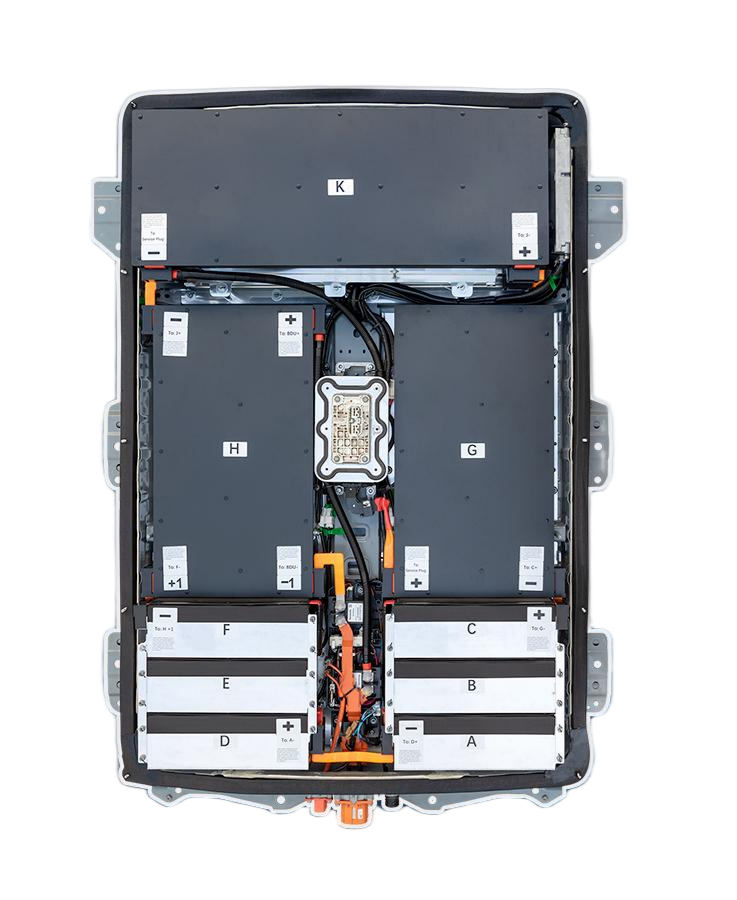
Flushing the BMW i3 battery cooling system is not like changing the coolant in a gasoline car. You are circulating fluid directly around 400-volt high-voltage cells. One wrong move—using the wrong fluid, leaving an air bubble, or creating a static spark—can lead to catastrophic electrical shorts, permanent battery degradation, or even a thermal runaway event that destroys your car and threatens your home.
Is saving a few hundred dollars worth risking your most expensive asset?
Why does BMW require “low-conductivity” fluid, and what happens if you use the wrong kind?
And if your cooling system is struggling, is a flush enough, or is it time for a complete powertrain evolution?
At CNS BATTERY, we have seen the aftermath of DIY cooling repairs gone wrong. We’ve seen batteries cooked by invisible air pockets and electronics fried by conductive fluids. We know that while the procedure seems simple, the margin for error is non-existent. This guide explains the lethal complexity of the i3 cooling loop, why DIY is a dangerous gamble, and how upgrading to a modern battery system eliminates these aging infrastructure worries forever.
The Hidden Complexity: It’s Not Just Antifreeze
In a gas car, coolant protects against freezing and boiling. In the BMW i3, the cooling system is a precision surgical instrument protecting a volatile chemical reactor.
The Unique Dangers
- Dielectric Fluid Requirement: The i3 uses specialized low-conductivity coolant (like BMW HT-12 or equivalent EV-specific fluids). If you accidentally use standard green/red antifreeze or tap water, the fluid becomes electrically conductive. If this conductive fluid leaks onto high-voltage busbars inside the pack, it causes internal short circuits and immediate isolation faults.
- The Air Pocket Killer: The cooling channels inside the battery pack are microscopic. If you perform a DIY flush and fail to remove 100% of the air using a vacuum filler and factory software (ISTA), an air bubble will lodge in a channel. That bubble acts as an insulator. The cells next to it will overheat and die while the rest of the pack stays cool. You won’t know until months later when your range plummets.
- High-Voltage Proximity: The cooling lines run directly alongside orange 400V cables. A slip of a tool or a pinched hose during reassembly can compromise high-voltage insulation, creating a shock hazard.
The DIY Reality Check: Why You Can’t Just “Drain and Fill”
Let’s break down what a true professional repair involves versus the DIY approach.
The Professional Protocol
- HV Disconnection: Safely disabling the high-voltage system and waiting for capacitor discharge.
- Vacuum Extraction: Using a specialized vacuum pump to suck every drop of old fluid out without introducing air.
- Vacuum Filling: Refilling the system under a deep vacuum to ensure no air pockets form.
- Software Bleeding: Connecting a diagnostic computer to run the electric water pump at specific speeds to purge micro-bubbles.
- Conductivity Testing: Verifying the new fluid meets strict electrical resistance standards before energizing the car.
The DIY Disaster Scenario
- Tool Gap: Most home garages do not have a vacuum filler tool ($600+) or BMW ISTA software ($300+ subscription + interface).
- The Result: Without these, you will leave air in the system. You might get the car running, but the battery will slowly cook itself from the inside.
- The Cost:
- DIY Coolant: $40.
- Damaged Battery Pack due to air pocket/overheat: $18,000 – $22,000.
The Verdict: Saving $400 on labor is not worth risking a $20,000 component. The math simply doesn’t work.
The Hard Truth: A Flush Won’t Fix an Aging System
Even if you successfully flush the system (a huge “if” without proper tools), you are addressing a symptom, not the disease.
- Brittle Infrastructure: If your cooling system is struggling due to age, the hoses, plastic connectors, water pump seals, and radiator fins are all suffering from the same 10-year degradation. A flush doesn’t fix cracked hoses or worn pumps.
- Old Coolant: Flushing is hard DIY. If old, degraded coolant remains, it loses its thermal properties and corrosion inhibitors, leading to future clogs and leaks.
- The Underlying Battery Health: Often, cooling systems fail because the battery inside is generating excessive heat due to cell degradation. Flushing the coolant on a dying battery is like putting a new bandage on an infected wound. The heat generation will overwhelm the fresh fluid quickly.
The CNS BATTERY Solution: Upgrade to a Leak-Free Future
If your BMW i3’s cooling system is showing signs of age (noisy fans, reduced range in heat, sludge), don’t throw good money after bad by patching a failing infrastructure. Instead, upgrade to a system where the cooling demands are lower and the reliability is higher.
At CNS BATTERY, our BMW i3 Series Battery upgrades come with a comprehensive thermal system refresh, eliminating the need for risky DIY flushes.
Why Upgrading Is Safer and Smarter
- Complete System Renewal: As part of our installation, we inspect and service the entire cooling loop. We use professional vacuum equipment to ensure perfect fluid exchange and zero air pockets.
- Lower Heat Generation: Our modern Grade-A cells generate significantly less heat than your original 10-year-old cells. This reduces the thermal stress on hoses, pumps, and radiators, extending the life of your entire cooling system.
- Premium Fluids Only: We use only genuine low-conductivity EV coolant, ensuring maximum safety and thermal efficiency.
- No More Leaks: By replacing the aging battery pack (which often has internal micro-leaks or corroded ports) with a pristine new unit, we eliminate the source of many cooling failures.
- Double the Range: While solving your cooling headaches, you upgrade from a failing 60 Ah or 94 Ah pack to a 120 Ah upgrade, giving you 130+ miles of range.
- Cost Efficiency:
- DIY Flush + Risk of Failure: $50 parts + Potential $20,000 battery loss.
- Professional Flush Service: $300–$500 (temporary fix on old system).
- CNS BATTERY Upgrade: $8,000 – $12,000 USD. You get a brand-new battery, a fully serviced cooling system, and double the range for half the dealer replacement cost.
Real Story: From “DIY Flood” to “Cool Confidence”
Meet Mark, a 2015 i3 owner. He decided to flush his cooling system himself to save money. Lacking a vacuum filler, he gravity-filled the system. Two weeks later, his battery started overheating. An air pocket had blocked flow to two modules, cooking them permanently. His “simple” $40 repair turned into a $4,500 module replacement bill, and the dealer warned the rest of the pack was compromised.
Mark contacted CNS BATTERY. We installed a 120 Ah upgrade. “They didn’t just swap the battery; they completely flushed and vacuum-filled the cooling system with the right tools,” Mark says. “Now my battery stays perfectly cool, even on hot days. I have 135 miles of range, and I never have to worry about air pockets or brittle hoses again. The upgrade was the only way to truly fix the cooling anxiety.”
Don’t Let a Simple Flush Ground Your Car
A BMW i3 battery cooling system flush is a critical maintenance task that demands surgical precision. While the concept is simple, the execution requires specialized equipment and expertise. DIY flushing is a high-stakes gamble with odds heavily stacked against you.
Protect your investment. Choose a solution that guarantees thermal safety, reliability, and performance without the risk of amateur errors.
Worried about your i3’s cooling performance?
Don’t reach for the drain plug yet. Contact CNS BATTERY today for a professional cooling system inspection. We’ll assess the health of your loop and show you how our BMW i3 Series Battery upgrades can provide a leak-free, cool-running, high-range solution that puts DIY risks in the rearview mirror.
👉 Get Your Cooling System & Battery Assessment
Frequently Asked Questions (FAQ)
1. Can I flush the BMW i3 battery cooling system myself?
Technically yes, but it is highly discouraged. The procedure requires specialized vacuum filling tools and factory software to bleed air from the system. Without these, you risk trapping air bubbles that can overheat and destroy your battery pack, leading to costs far exceeding any labor savings.
2. What happens if I use the wrong coolant?
Using standard automotive coolant or tap water can make the fluid electrically conductive. If this fluid contacts high-voltage components inside the battery, it can cause short circuits, isolation faults, and permanent damage to the battery management system. Only specific low-conductivity EV coolant must be used.
3. How much does a professional cooling system flush cost?
A professional flush typically costs between $300 and $500 USD, including the specialized low-conductivity coolant, labor, and the critical vacuum bleeding process.
4. Will flushing the cooling system fix my overheating issues?
Only if the issue is solely old fluid. Often, overheating is caused by air pockets, failing pumps, clogged radiators, or a battery generating excessive heat due to cell degradation. If the battery is old, a flush may not prevent future overheating.
5. Does CNS BATTERY service the cooling system with upgrades?
Absolutely. Every BMW i3 Series Battery upgrade includes a complete cooling system service: inspection, flushing old fluid, refilling with premium coolant using professional vacuum equipment, and verifying zero air pockets.
6. Why is bleeding the cooling system so important?
Air pockets act as insulators, preventing heat transfer from the battery cells to the coolant. Even a small bubble can cause a local hot spot, leading to rapid cell degradation or failure. Professional vacuum bleeding is the only way to guarantee an air-free system.
7. Is it cheaper to upgrade than to repeatedly flush and repair the cooling system?
If your car is older, yes. Repeated flushes, pump replacements, or hose repairs add up. A CNS BATTERY upgrade costs $8,000–$12,000 USD but provides a brand-new battery that generates less heat, a fully refreshed cooling system, and double the range, offering better long-term value and reliability.