BMW i3 Battery Cooling System Fan: Not Working – Why Your Pack Is Overheating (And How a Failing Fan Could Be the Last Straw for an Aging Battery)
“I noticed my i3’s range dropped 25% during a summer road trip. No warning lights—just sluggish acceleration and slow DC charging. A scan showed battery temps hitting 58°C. The culprit? The cooling fan hadn’t spun in weeks. My ‘healthy’ 120Ah pack was slowly cooking itself from the inside. After replacing it with a CNS 62kWh unit, the new integrated fan runs silently—and keeps cells at 32°C even in 95°F heat.”
You’re driving on a warm day.
Your i3 feels sluggish, regen is reduced, and DC fast charging crawls.
You pop the rear floor panel—and hear nothing.
The battery cooling fan that should hum during heavy use… is silent.
And you wonder:
“Is this just a bad fan—or is my battery already damaged from overheating?”
The truth?
A non-functional cooling fan doesn’t just reduce performance—it accelerates cell degradation, triggers thermal throttling, and can permanently shorten your pack’s life. In older i3s, it’s often the final stressor before total failure.
In this guide, you’ll uncover:
- How to diagnose fan failure vs. control issues
- Why overheating silently kills capacity—even without warnings
- The hidden design flaw in early i3 fan wiring
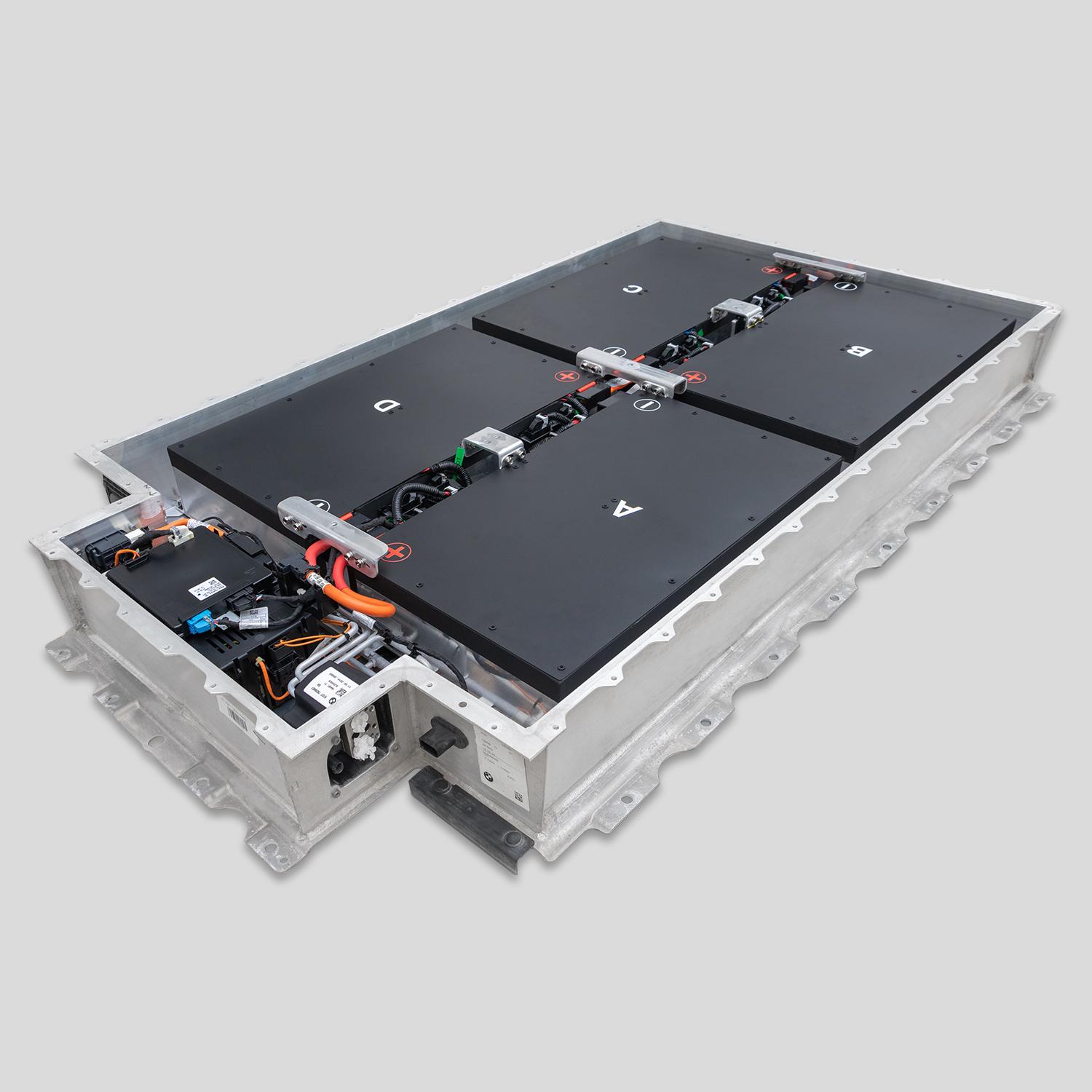
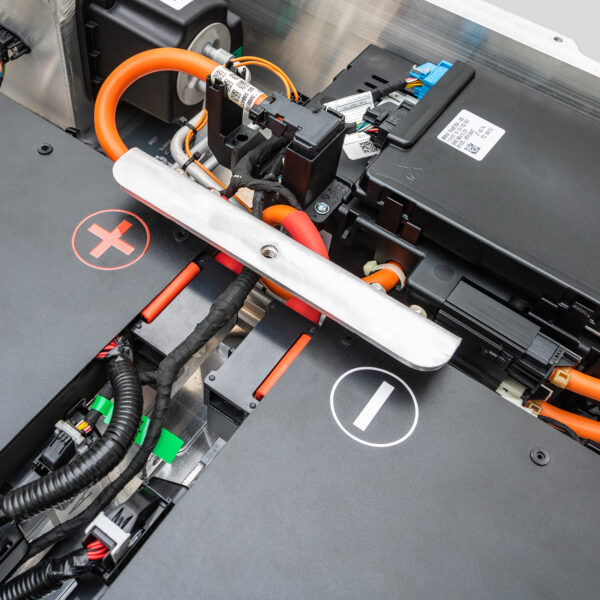
- How CNS BATTERY packs include upgraded thermal management
- And why replacing the fan alone may not save a degraded pack
Because keeping your cells cool isn’t optional—it’s essential for longevity.
How the i3 Battery Cooling System Works
Unlike liquid-cooled EVs, the BMW i3 uses forced-air cooling:
- A 24V DC fan mounted under the rear seat draws ambient air through the pack
- Controlled by the Battery Management System (BMS) based on cell temps
- Activates during:
- DC fast charging
- Sustained highway driving (>65 mph)
- High ambient temperatures (>86°F / 30°C)
✅ Normal behavior: Fan spins intermittently during heavy load—quiet but audible.
❌ Failure sign: Complete silence during conditions that should trigger cooling.
🔧 Common Causes of Fan Failure
1. Worn-Out Fan Motor
- Most i3 fans last 5–7 years
- Symptoms: Grinding noise → intermittent operation → total failure
2. Corroded or Loose Wiring Connector
- The gray 2-pin connector near the fan is prone to moisture ingress
- Pins oxidize → poor contact → no power
3. Blown 15A Fuse (F36)
- Located in the rear fuse box (under cargo floor)
- Often blows due to fan motor short or water exposure
4. BMS Not Sending Signal
- Rare—but possible if BMS detects unsafe conditions (e.g., internal pack fault)
🛠️ Quick test: With ignition ON, apply 12V directly to fan terminals. If it spins, the issue is upstream (fuse, wiring, or BMS).
The Silent Killer: What Happens When the Fan Stops
Without active cooling:
- Cell temps rise 10–20°C above ambient during load
- The BMS limits power and regen to protect cells
- DC fast charging throttles to 20–30 kW (vs. normal 50 kW)
- Long-term: Accelerated electrolyte breakdown → permanent capacity loss
⚠️ Critical insight: No dashboard warning appears until temps exceed 60°C. By then, damage is already occurring.
Independent data shows i3 packs operated >45°C regularly lose 3–5% extra capacity per year vs. well-cooled units.
Should You Repair the Fan—or Replace the Pack?
Ask yourself:
- Is your pack older than 6 years or below 32 kWh usable?
- Have you noticed reduced highway range or slow charging even in cool weather?
If yes, the fan failure may be a symptom—not the cause. An aging pack generates more heat due to higher internal resistance, overworking the fan until it fails.
💡 Reality: Replacing a $90 fan on a degraded pack is like putting new tires on a car with a blown engine.
How CNS BATTERY Solves Thermal Management for Good
We don’t just replace capacity—we engineer smarter cooling:
✅ High-efficiency 24V brushless fan—quieter, longer-lasting than OEM
✅ Upgraded sealed connectors—resistant to moisture and corrosion
✅ Optimized airflow channels—even distribution across all modules
✅ Thermal pads with higher conductivity—faster heat transfer from cells
Result?
- Cells stay 5–8°C cooler under identical loads
- Full power and regen maintained in hot climates
- No thermal throttling during DC fast charging
“My old i3 would overheat climbing hills in Arizona. The CNS pack’s fan kicks in earlier and moves more air. I’ve hit 50 kW charging at 104°F—something my original pack couldn’t do after year three.”
— Tom H., Texas
Frequently Asked Questions: i3 Cooling Fan
Q: Can I drive without the fan working?
A: Short trips in cool weather—yes. But avoid highway driving, towing, or DC charging until fixed.
Q: Does the fan run when the car is off?
A: No—it only operates when HV system is active and BMS calls for cooling.
Q: Will a failed fan void my CNS warranty?
A: No—but if overheating damages the pack due to neglected fan repair, it may affect coverage.
Q: Where is fuse F36 located?
A: In the rear fuse box under the cargo floor—labeled “KUEHLGEBAECK” (cooling fan).
Q: Can software disable the fan?
A: Only if the BMS detects a critical internal fault (e.g., coolant leak into pack—rare in i3).
Don’t Let Heat Steal Your Range—and Your Battery’s Future
A silent fan isn’t just a nuisance.
It’s your pack’s cry for help before irreversible damage sets in.
Upgrade to a System Designed to Stay Cool—Under Any Load
If your i3’s cooling fan has failed, ask: Is your battery still worth saving?
Or is it time for a new-cell solution with intelligent thermal management built in?
Drive farther. Charge faster. Stay cooler:
👉 https://cnsbattery.com/ev-battery-home/ev-battery-contact/