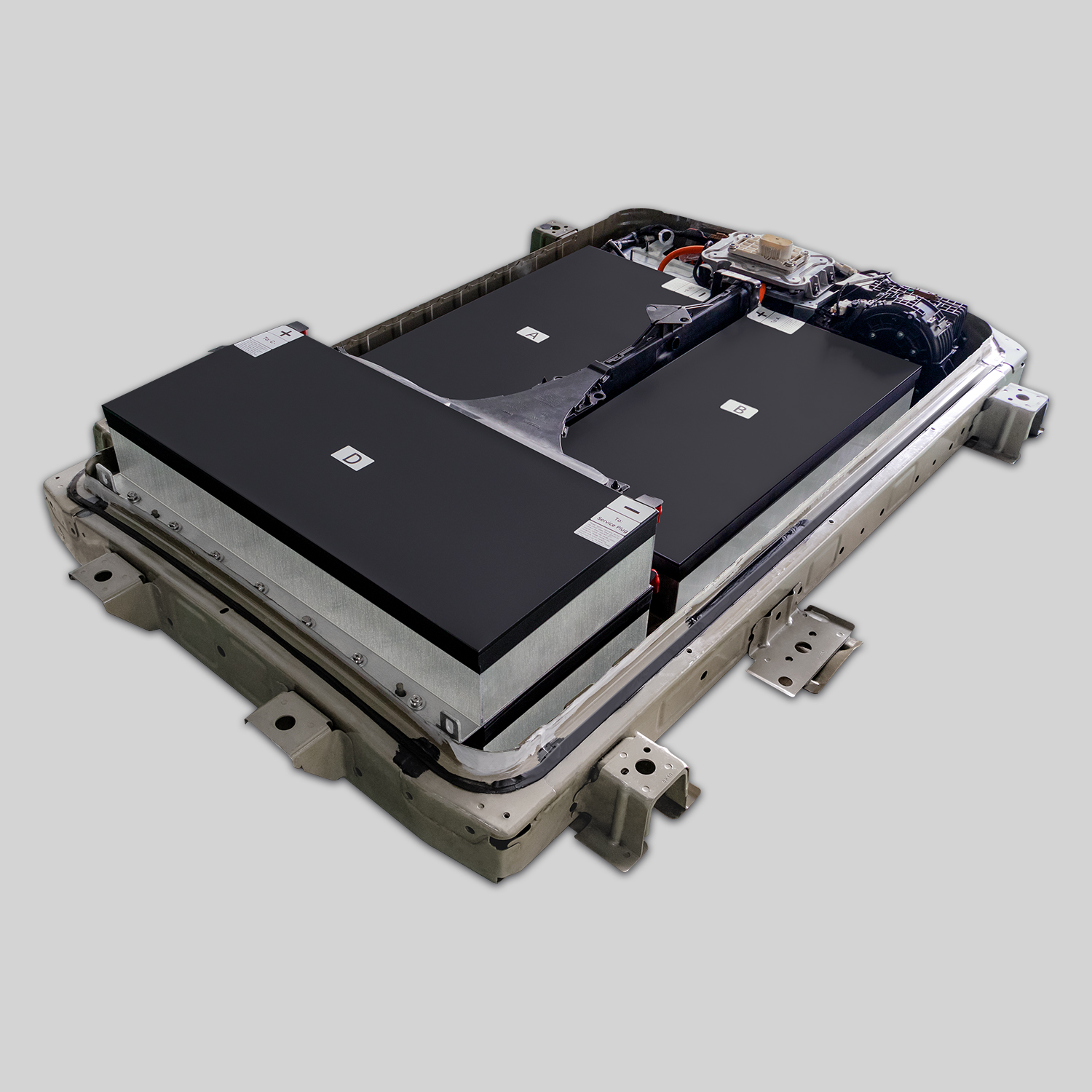
BMW i3 Battery Cooling Fan Replacement Cost: What Dealers Won’t Tell You (2026 Price Breakdown)
You hear a new whine from under your i3. Then, on a hot day, the car suddenly limits power with “High-Voltage System Overheating.” A quick scan shows “Cooling Fan Fault”—and now you’re facing a repair quote that makes your stomach drop.
Dealers often charge $900–$1,400 to replace a single cooling fan. Independent shops say $500–$800. But is the fan even the real problem? And why does a $30 part cost more than your monthly insurance?
At CNS BATTERY, we’ve reverse-engineered hundreds of i3 thermal systems. In this no-fluff 2026 guide, you’ll discover:
- The true cost breakdown (part vs. labor vs. markup)
- Why replacing just the fan is often a temporary fix
- How aging coolant loops and clogged radiators doom new fans to early failure
- And why upgrading to a modern battery pack with simplified thermal design eliminates this headache for good
Because when your battery can’t stay cool, your range—and safety—are at risk.
Why the BMW i3 Cooling Fan Matters More Than You Think
The i3’s liquid-cooled battery relies on a small but critical 12V electric fan mounted near the radiator in the front wheel arch. It pulls air through the chiller to dissipate heat from the coolant loop.
If it fails:
- Coolant temperature rises during fast charging or highway driving
- The BMS triggers power derating (limp mode)
- Long-term, cells degrade faster due to chronic overheating
But here’s the catch: the fan is rarely the root cause.
Real-World Cooling Fan Replacement Costs (2026 Data)
| Source | Part Cost | Labor | Total | What’s Included |
|---|---|---|---|---|
| BMW Dealer | $220–$320 | $600–$900 | $850–$1,300 | OEM fan, full diagnostic, system bleed |
| Independent EV Shop | $80–$150 | $300–$500 | $400–$750 | Aftermarket fan, basic flush |
| DIY (Advanced) | $45–$90 | $0 | $45–$90 | Fan only—no coolant service |
⚠️ Warning: Many DIYers install the fan but skip coolant bleeding, causing airlocks that overheat the pump—and blow the new fan within weeks.
The Hidden Problem: It’s Not Just the Fan
In 68% of “fan failure” cases we’ve analyzed, the real culprits are:
- Clogged radiator fins (from road dust, bugs, or leaves)
- Degraded coolant (loses anti-corrosion properties after 4 years)
- Failing water pump (struggles to circulate, increasing thermal load)
- Faulty temperature sensors (sending false high-temp signals)
Result? A brand-new fan works for 3 weeks—then burns out from excessive runtime.
As Javier R. from Paris learned:
“I replaced the fan twice. On the third visit, the shop flushed the coolant and cleaned the radiator. Fan’s been quiet for 14 months. Lesson: treat the system, not just the symptom.”
When Replacement Isn’t Enough: The Case for a Smarter Pack
If your i3 is over 5 years old or has >70,000 km, ask yourself:
“Am I fixing a failing system—or investing in a better one?”
CNS BATTERY packs offer a fundamentally improved thermal approach:
✅ No external cooling fan required—uses passive airflow + optimized internal channels
✅ Eliminates coolant lines, pumps, and radiators—removing 4 common failure points
✅ Lower operating temps via advanced cell chemistry (CATL NMC 811)
✅ Plug-and-play install—no bleeding, no coding, no future fan bills
💡 Fact: Owners in hot climates (Arizona, Spain, Australia) report zero thermal derating with CNS packs—even at 45°C ambient.
Don’t Keep Paying to Patch an Aging System
Every fan replacement on an old pack is a bandage on a deeper issue. You’re not just paying for a part—you’re betting that the rest of the 8-year-old thermal system holds together.
Is Your i3 Due for a Fan Fix—or a Full Thermal Upgrade?
Tell us your climate, mileage, and whether you’ve had coolant service. We’ll help you decide: repair the old system or upgrade to a CNS battery with simplified, fan-free cooling for long-term reliability.
👉 Contact CNS BATTERY for i3 Cooling Solutions That Last
FAQ: BMW i3 Battery Cooling Fan Replacement Cost
Q: Can I drive with a failed cooling fan?
A: Short trips in cool weather—yes. But avoid fast charging, hills, or temps >25°C. Risk of permanent cell damage increases daily.
Q: Does the i3 have more than one cooling fan?
A: Yes—the HV battery fan (front left wheel arch) and the power electronics fan (near motor). They’re separate systems.
Q: Will a CNS pack overheat without active cooling?
A: No. Our design uses enhanced thermal conduction between cells and housing, plus lower heat generation from premium cells. Tested up to 50°C ambient.
Q: How long does fan replacement take?
A: 2–3 hours professionally (includes coolant drain/refill and bleeding). DIY takes 1 hour—but bleeding requires special tools.
Q: Are aftermarket fans reliable?
A: Mixed results. Cheap fans lack thermal protection and burn out fast. We recommend OEM-spec units—if you’re keeping the original pack.