BMW i3 Battery Cooling Fan Noise: How to Fix the Roar Before It Kills Your Pack
You are driving your BMW i3 on a warm afternoon, or perhaps you’ve just plugged into a DC Fast Charger. Suddenly, a deafening roar erupts from beneath your car. It sounds like a jet engine taking off right under your feet. The noise is so loud it drowns out your music and makes passengers nervous.
Your first thought might be, “Great, the car is working hard to keep the battery cool.” But if that fan runs at maximum speed constantly, even when the car is idle or the weather is mild, it’s not a sign of efficiency—it’s a distress signal.
Excessive BMW i3 battery cooling fan noise is often the first symptom of a failing thermal management system. Ignoring it doesn’t just mean living with the annoyance; it risks your battery overheating, throttling its own performance, or suffering permanent degradation.
At CNS BATTERY, we know that a loud fan is rarely just a fan problem. It’s usually a cry for help from a battery pack that is struggling to stay cool due to underlying issues. This guide explains why your fans are screaming, how to diagnose the root cause, simple fixes you can try, and why, in many cases, the noise signals that your aging battery needs a modern upgrade to survive another summer.
Why Is My i3 Cooling Fan So Loud?
The BMW i3 uses electric fans (located near the rear wheels) to pull air through the radiators and cool the battery liquid coolant. Under normal conditions, these fans are whisper-quiet. They only spin up loudly during extreme heat or rapid DC charging.
If your fans are roaring constantly, one of these four culprits is likely to blame:
1. Clogged Radiators (The Most Common Cause)
The i3’s radiators are positioned low on the vehicle, making them magnets for road debris.
- The Problem: Leaves, bugs, plastic bags, and road salt clog the radiator fins. Air cannot flow through, so the coolant stays hot.
- The Reaction: The Battery Management System (BMS) detects high temperatures and commands the fans to run at 100% speed to compensate for the lack of airflow.
- The Fix: Visually inspect the radiators behind the rear wheel arches. If they are covered in gunk, carefully clean them with compressed air or a soft brush. Never use high-pressure water directly on the fins, as it can bend them and make the blockage worse.
2. Failing Electric Water Pump
The liquid coolant relies on an electric pump to circulate through the battery pack.
- The Problem: If the pump is failing, moving slowly, or has seized, coolant isn’t flowing. Heat builds up rapidly in the battery modules.
- The Reaction: The sensors detect localized hot spots and scream for the fans to max out, trying to cool the stagnant fluid.
- The Diagnosis: If the radiators are clean but the fans are still loud, the pump is the prime suspect. You may also see a “Cooling System Malfunction” warning.
3. Degraded Battery Cells (High Internal Resistance)
This is the critical issue many owners miss.
- The Problem: As Lithium-Ion cells age (especially in 2014-2017 models), their internal resistance increases. Higher resistance means the cells generate significantly more heat during normal charging and driving than they did when new.
- The Reaction: Your original cooling system was designed for a fresh, efficient battery. It simply cannot handle the excessive heat output of a degraded, high-resistance pack. The fans run constantly because the battery is essentially “cooking itself.”
- The Reality: No amount of cleaning or pump replacement will fix this permanently. The battery itself is the heat source.
4. Faulty Fan Motor or Sensor
Sometimes the component itself is broken.
- The Problem: A worn-out fan motor bearing can cause grinding noises, or a faulty temperature sensor might send false “overheat” data to the computer.
- The Reaction: The fan runs at full blast unnecessarily, or makes mechanical grinding sounds alongside the wind noise.
DIY Fixes: Silence the Roar
Before heading to a shop, try these safe, DIY steps to reduce the noise:
- Clean the Radiators: Park on level ground, remove the rear wheel arch liners (if comfortable), and gently clear debris from the radiator fins. Even removing a layer of bugs can drop fan speeds significantly.
- Check Coolant Levels: Locate the coolant expansion tank (usually in the frunk). If levels are low, the system can’t transfer heat effectively. Top up with BMW-approved HT-12 coolant mixed with distilled water. Warning: Only do this when the car is completely cold.
- Reset the BMS: Disconnect the 12V auxiliary battery (in the frunk) for 15 minutes. Reconnect it. This can sometimes clear erroneous sensor data causing the fans to stick in “high mode.”
- Avoid Extreme Heat: Park in the shade or a garage. Pre-condition the car while plugged in to lower the battery temp before driving.
When DIY Isn’t Enough: The Degradation Trap
If you’ve cleaned the radiators, checked the fluid, and reset the system, but the fans still roar constantly, you are likely facing battery degradation.
Your old battery cells are generating too much heat for the original cooling system to manage. This is a vicious cycle:
- Old cells generate excess heat.
- Fans run 24/7 to cool them, wearing out faster.
- The constant heat stress further degrades the cells.
- Eventually, the system fails to keep up, leading to thermal throttling (reduced power/range) or permanent cell damage.
Continuing to drive with a battery that constantly overheats is risky. You are accelerating the death of your most expensive component.
The CNS BATTERY Solution: Upgrade to Cool Efficiency
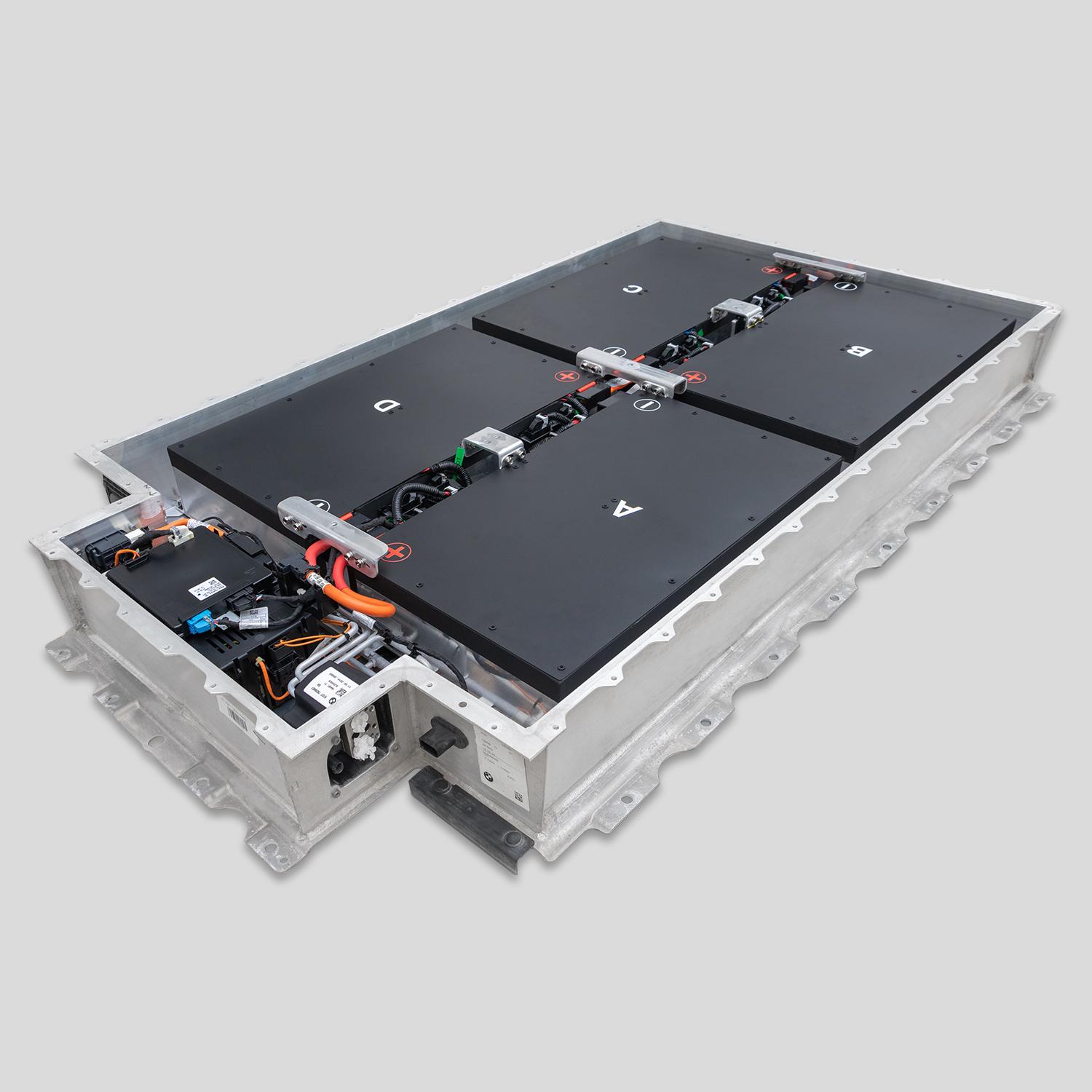
When your battery is the source of the heat, the only permanent fix is to replace the heat-generating unit with a modern, efficient one. At CNS BATTERY, we don’t just silence the fans; we eliminate the reason they are screaming.
Why Upgrading Stops the Noise Forever
- Lower Internal Resistance: Our BMW i3 Series Battery upgrades use modern Grade-A cells with significantly lower internal resistance than your original 10-year-old cells. They generate far less heat during operation, meaning your fans will rarely need to spin up, let alone roar.
- Optimal Thermal Match: Our packs are designed to work efficiently with the i3’s existing cooling architecture, ensuring perfect temperature regulation without overworking the fans.
- Fresh Components: When we install an upgrade, we also flush the cooling system, inspect the pump, and ensure all fans are functioning correctly. You get a fully refreshed thermal ecosystem.
- Double the Range: While solving your noise and heat issues, you simultaneously upgrade from a failing 60 Ah or 94 Ah pack to a 120 Ah equivalent, giving you 130+ miles of range.
- Cost Efficiency: A dealership might charge $800–$1,200 just to diagnose and replace fans/pumps temporarily, followed by a $20,000 battery replacement later. Our complete upgrade solutions typically range from $8,000 to $12,000 USD, solving the heat, the noise, and the range anxiety in one step.
Real Story: From “Jet Engine” to “Silent Cruise”
Meet Sarah, a 2016 i3 owner. Last summer, her cooling fans started running at max speed every time she drove more than 10 miles. She cleaned the radiators, replaced the pump, and even swapped the fans, but the roar returned within weeks. A dealer scan revealed her battery SOH was 65% with high internal resistance. “The battery was cooking itself,” the tech said.
Sarah contacted CNS BATTERY. We installed a 120 Ah upgrade with modern low-resistance cells. “The difference is night and day,” Sarah says. “I drove home in 90-degree heat, and the fans barely whispered. No more jet engine noise, no more heat warnings, and I now have 135 miles of range. It was the best investment I ever made.”
Don’t Let the Roar Continue
BMW i3 battery cooling fan noise is more than an annoyance; it’s a warning that your thermal management system is overwhelmed. Clean your radiators and check your fluids, but if the noise persists, recognize the truth: your battery is likely degraded and generating excessive heat.
Don’t wait for a thermal shutdown or permanent damage. Upgrade to a solution that runs cool, quiet, and efficient.
Is your BMW i3 sounding like a jet engine?
Stop ignoring the roar. Contact CNS BATTERY today for a professional thermal system diagnostic. Discover how our BMW i3 Series Battery upgrades can silence your fans, eliminate overheating risks, and double your range for a fraction of the dealership cost.
👉 Get Your Quiet & Cool Upgrade Quote
Frequently Asked Questions (FAQ)
1. Why are my BMW i3 cooling fans running constantly?
Constant loud fan operation usually indicates the battery is overheating. Common causes include clogged radiators, a failing water pump, or degraded battery cells with high internal resistance that generate excessive heat.
2. Can I drive my i3 if the fans are roaring?
You can drive short distances, but it is not recommended for long trips. Constant overheating accelerates battery degradation and can lead to thermal throttling (loss of power) or permanent cell damage. Have the system diagnosed immediately.
3. Will cleaning the radiators fix the noise?
If the cause is debris blocking airflow, yes. Cleaning the radiators behind the rear wheels often resolves the issue. However, if the fans remain loud after cleaning, the problem is likely mechanical (pump/fan) or chemical (degraded battery cells).
4. Can a bad battery cause the fans to run loud?
Yes. As battery cells age, their internal resistance increases, causing them to generate more heat during normal use. The cooling system works overtime to manage this excess heat, causing the fans to run at maximum speed constantly.
5. How much does it cost to fix loud cooling fans?
Simple fixes like cleaning are free. Replacing a fan motor or water pump typically costs $400–$800 USD. However, if the root cause is a degraded battery, these are temporary fixes. A battery upgrade from CNS BATTERY (typically $8,000–$12,000) solves the heat generation permanently while doubling your range.
6. Will a new battery from CNS BATTERY make the fans quieter?
Absolutely. Our modern cells have lower internal resistance and generate significantly less heat than original OEM cells. Most customers report their fans rarely turn on after an upgrade, even in hot weather.
7. Is it safe to ignore the noise if the car drives fine?
No. Ignoring the noise allows the battery to operate at elevated temperatures for extended periods, which permanently reduces its lifespan and capacity. Addressing the root cause now prevents costly total battery failure later.