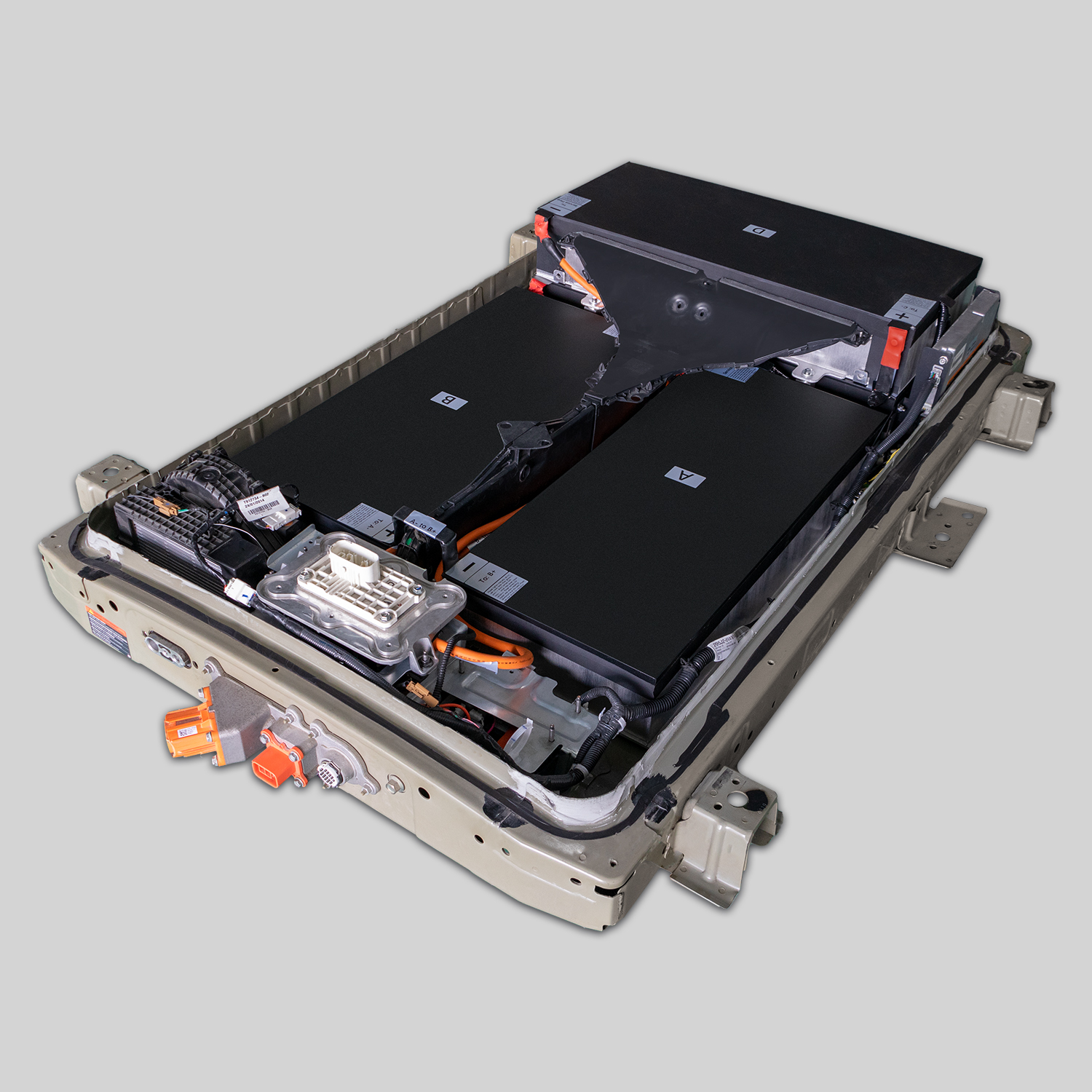
BMW i3 Battery Connector Plug: Replace It Before It Melts Your Pack
You plug your BMW i3 into a DC Fast Charger, expecting a quick boost of energy. Instead, the charging session aborts after a few seconds with a frustrating “Charge Power Reduced” or “Charging Malfunction” error. Or perhaps you notice a strange burning plastic smell near the rear of the car after a long drive. You inspect the charging port and see it: discoloration, scorch marks, or melted plastic on the high-voltage connector.
This isn’t just a minor inconvenience; it’s a critical safety failure. The BMW i3 battery connector plug is the vital bridge between your energy source and your vehicle. When this connection fails due to heat, corrosion, or wear, it creates electrical resistance. That resistance generates intense heat, which melts the plug, damages the battery terminals, and can eventually lead to a catastrophic fire or total battery bricking.
Can I just clean the contacts and keep driving?
How much does it cost to replace a melted HV plug?
And if the plug is damaged, is my expensive battery pack already compromised?
At CNS BATTERY, we have seen too many owners ignore early warning signs only to face a $20,000 replacement bill. We know that a failing connector is often a symptom of deeper issues within an aging electrical system. This guide explains the dangers of a compromised connector, the steps to replace it safely, and why upgrading your entire battery system is often the most cost-effective solution to ensure permanent reliability.
The Silent Fire Starter: Why Connectors Fail
The high-voltage (HV) connector on your BMW i3 handles up to 400 volts and significant amperage during fast charging. It is designed to be robust, but over time, several factors can cause it to degrade:
1. Thermal Cycling & Loosening
As the car drives and charges, components expand and contract. Over years, this thermal cycling can cause the connector’s locking mechanism to loosen slightly. Even a microscopic gap increases electrical resistance. According to Joule’s Law, resistance creates heat. This heat further expands the metal, loosening the connection more, creating a vicious cycle known as thermal runaway at the contact point.
2. Corrosion and Oxidation
If the seals around the connector dry out or crack, moisture and road salt can seep in. This causes oxidation on the copper pins. Oxidized surfaces do not conduct electricity well, leading to arcing, sparking, and intense localized heating that melts the plastic housing.
3. High-Current Stress
Frequent use of DC Fast Charging pushes maximum current through the plug. If the connector is already slightly worn or dirty, this high load accelerates the melting process. You might see the plastic housing warp or turn brown/black, indicating that temperatures have exceeded safe limits.
Signs Your Connector Plug Needs Immediate Replacement
Do not wait for the car to stop charging entirely. Look for these red flags:
- Visible Damage: Discoloration (browning/blackening), warping, or melting of the orange HV connector housing.
- Burning Smell: A distinct odor of hot plastic or ozone near the charging port or under the rear seat (where the battery connects).
- Intermittent Charging: The car starts charging then stops repeatedly, or refuses to accept high speeds.
- Error Codes: Frequent warnings like “Hybrid/Electric Vehicle Charging System Malfunction” or isolation faults.
- Heat: The connector feels unusually hot to the touch immediately after charging.
⚠️ CRITICAL WARNING: If you see melting or smell burning, stop using the charger immediately. Continuing to force current through a damaged connector can weld the plug to the car, melt the battery terminals, or start an electrical fire.
The Replacement Process: Why DIY Is Dangerous
Replacing the BMW i3 battery connector plug is not a simple swap. It involves working directly with lethal high-voltage components.
The Professional Protocol
- High-Voltage Shutdown: The service plug must be removed, and the system waited upon (15+ minutes) to discharge capacitors.
- Terminal Inspection: The connector cannot be replaced in isolation. Technicians must inspect the battery side terminals. Often, if the plug is melted, the battery terminals are also scorched or pitted.
- Torque Specifications: Reconnecting requires precise torque settings. Overtightening can strip aluminum threads; undertightening guarantees future failure.
- Dielectric Grease & Sealing: Proper application of HV-grade grease and ensuring IP67 waterproof sealing is critical to prevent recurrence.
The Risk of Cutting Corners
Attempting a DIY repair without proper PPE (Class 00 gloves, arc-flash suits) and tools risks electrocution or arc flash explosions. Furthermore, if the battery terminals are damaged and not addressed, a new plug will melt again within weeks.
The Hard Truth: When a New Plug Isn’t Enough
Here is the scenario many owners face: They pay $800–$1,500 to replace the melted connector and pigtail. Two months later, the new plug melts too. Why?
Because the root cause wasn’t just the plug; it was high internal resistance within the aging battery cells or corroded internal busbars.
- The Cycle: An old battery struggles to accept charge efficiently, generating excess heat at the connection point.
- The Result: You are patching a symptom while the disease (a degrading battery pack) continues to worsen. Eventually, the heat damages the battery casing itself, rendering the entire pack unsalvageable.
The CNS BATTERY Solution: Upgrade for Permanent Safety
If your BMW i3 battery connector plug has failed, it is a clear signal that your high-voltage system is under stress. Instead of repeatedly repairing a failing infrastructure, upgrade to a modern, perfectly engineered system.
At CNS BATTERY, our BMW i3 Series Battery upgrades eliminate the risk of connector failure forever.
Why Upgrading Is the Smartest Fix
- Brand-New Interfaces: Our upgrades come with pristine, factory-spec high-voltage connectors and terminals. No corrosion, no prior heat damage, perfect contact.
- Superior Materials: We utilize updated connector designs with enhanced thermal resistance and better sealing against moisture and salt.
- Lower Internal Resistance: Our modern Grade-A cells charge more efficiently than your original 10-year-old cells. Less resistance means less heat generation at the plug, drastically reducing the risk of future melting.
- Complete System Refresh: We don’t just swap the battery; we inspect and service the entire charging path, ensuring your new pack connects to a healthy vehicle system.
- Cost Efficiency:
- Plug Repair + Potential Terminal Repair: $1,000–$2,500 (with risk of recurrence).
- Dealership OEM Replacement: $20,000+.
- CNS BATTERY Upgrade: $8,000 – $12,000 USD. You get a brand-new battery with double the range (130+ miles), a new connector, and a comprehensive warranty for half the dealer price.
Real Story: From “Melted Plug” to “Cool & Safe”
Meet David, a 2015 i3 owner. His DC fast charging plug melted twice in six months. Each time, he paid to replace the pigtail, but the shop warned him the battery terminals were getting worse. He was facing a $3,000 repair bill just to restore the connection, with no guarantee the old battery wouldn’t cause it again.
David contacted CNS BATTERY. We diagnosed that his aging cells were creating excessive heat during charging. We installed a 120 Ah upgrade. “The difference is incredible,” David says. “The new connector stays cool even after a full fast-charge session. I have 135 miles of range, and I never worry about melting plastics or fires again. Upgrading was the only logical choice.”
Don’t Gamble with a Melting Connection
A damaged BMW i3 battery connector plug is a serious safety hazard. It indicates excessive heat and resistance that can destroy your vehicle. Do not ignore discoloration or charging errors.
While replacing the plug is necessary, consider the health of the battery behind it. If your pack is aging, don’t throw money at temporary fixes. Upgrade to a system designed for safety, efficiency, and long-term reliability.
Is your BMW i3 showing signs of connector damage?
Stop risking a fire. Contact CNS BATTERY today for a professional high-voltage inspection. We’ll assess your connector and battery health and show you how our BMW i3 Series Battery upgrades can provide a safe, permanent solution with double the range.
👉 Get Your Connector & Battery Safety Assessment
Frequently Asked Questions (FAQ)
1. What causes the BMW i3 battery connector to melt?
Melting is caused by high electrical resistance at the contact point. This can result from loose connections, corrosion/oxidation on the pins, or an aging battery generating excessive heat during charging. The resistance turns electrical energy into thermal energy, melting the plastic housing.
2. Can I drive my i3 if the connector looks discolored?
No. Discoloration indicates overheating has already occurred. Continuing to charge or drive risks worsening the damage, melting the plug completely, damaging the battery terminals, or causing an electrical fire. Have it inspected immediately.
3. How much does it cost to replace the HV connector plug?
Professional replacement of the connector and pigtail typically costs $800 – $1,500 USD, depending on labor rates and whether the battery terminals also need repair. If the battery terminals are severely damaged, costs can rise significantly.
4. Will replacing the plug fix my charging issues permanently?
Only if the root cause was external (e.g., a bad seal or loose lock). If the melting was caused by internal battery degradation or high cell resistance, a new plug will likely melt again. In such cases, a battery upgrade is the only permanent fix.
5. Does CNS BATTERY include new connectors with their upgrades?
Yes. Every BMW i3 Series Battery upgrade includes brand-new high-voltage connectors and terminals. We ensure the entire interface is pristine, properly torqued, and sealed to prevent future overheating or corrosion.
6. Is it safe to use DC Fast Charging after a plug replacement?
Yes, provided the repair was done correctly with proper torque and sealing. However, if you have an older battery, frequent DC fast charging may continue to generate excess heat. Our modern upgrades handle fast charging much more efficiently, reducing thermal stress on the connector.
7. What should I do if I smell burning plastic near my charging port?
Stop charging immediately. Unplug the vehicle if safe to do so, and do not attempt to recharge. Have the vehicle towed to a certified EV specialist for a high-voltage inspection. Ignoring this smell can lead to a vehicle fire.