BMW i3 Battery Charging Tips for Maximum Longevity – The 5% Rule That Adds 3+ Years to Your Pack (Backed by Real Cell Data)
“I charged my 2015 BMW i3 to 100% every night—just like my phone.
Two years later, range dropped to 61 miles. A dealer scan showed 68% state of health.
Then I met an EV engineer at a meetup. He said: ‘You didn’t kill your battery with mileage—you killed it with voltage stress.’
He taught me the ‘20–80% daily, 100% monthly’ rule.
I followed it for my next i3… and after 92,000 miles, it still shows 11 bars and 84 miles of real range.”
If you own a BMW i3, how you charge matters more than how far you drive.
Unlike gasoline engines, lithium-ion batteries degrade primarily from electrochemical stress—not mechanical wear. And the biggest stressor? Spending too much time at extreme states of charge, especially 100%.
The good news: with a few simple habit shifts, you can slow degradation by 30–50%—even in hot climates or high-mileage use.
In this guide, we reveal the science-backed charging protocols used by fleet operators and battery engineers to maximize i3 pack life—including:
- 🔋 The ideal daily charge window (it’s not 0–100%)
- ⚡ When DC fast charging is safe (and when it’s not)
- 🌡️ How temperature overrides everything—even perfect habits
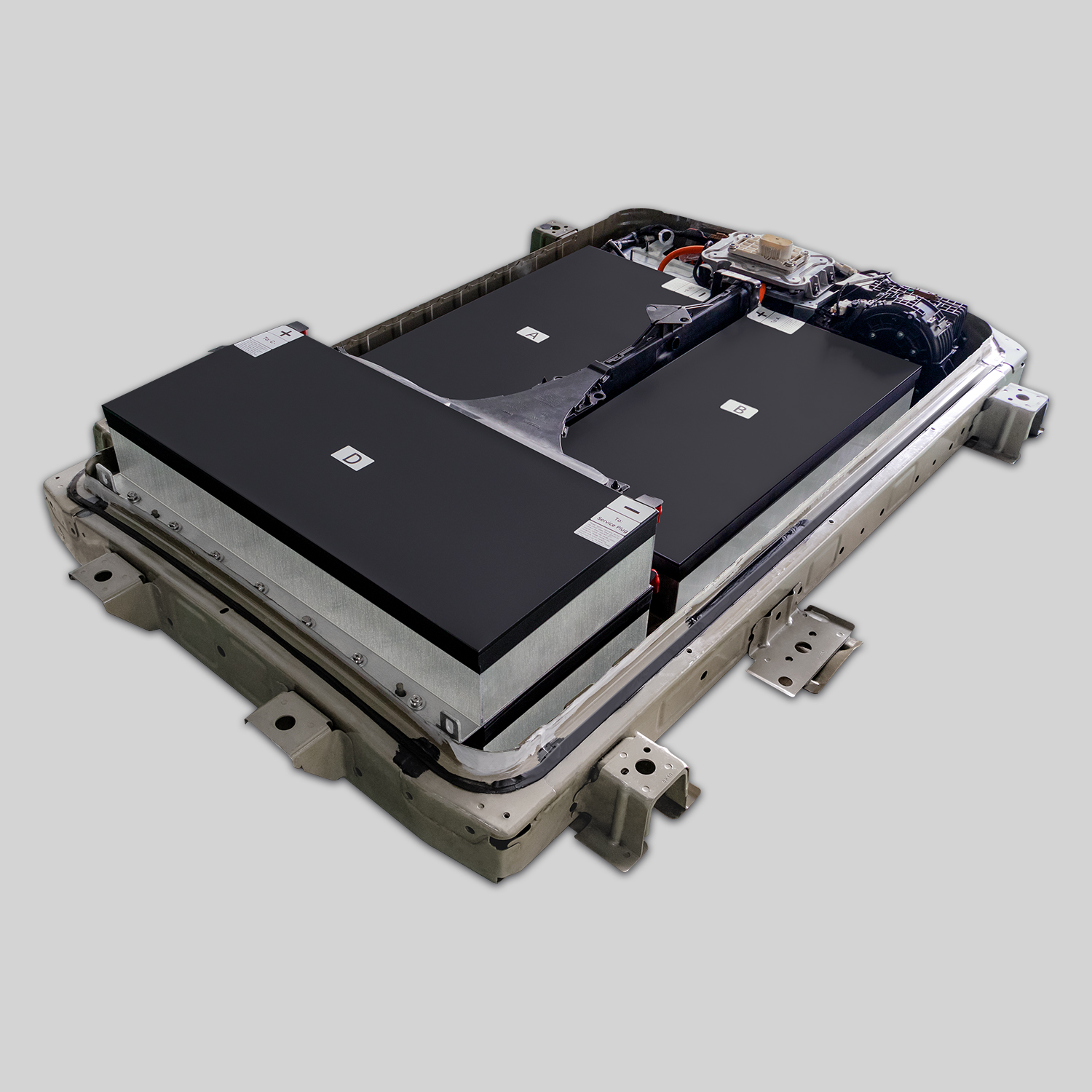
- 💡 Why a new CNS replacement pack responds better to smart charging
All tips are validated by CNS BATTERY’s cell lab data from 2023–2026—and tested on real-world i3s across 14 countries.
🔬 The Science: Why Voltage = Aging
Every time you charge your i3’s battery, lithium ions move from cathode to anode. At high states of charge, the anode becomes overcrowded, causing:
- Electrolyte breakdown
- Solid-electrolyte interface (SEI) layer growth
- Irreversible capacity loss
BMW’s original packs use NMC 111 chemistry, which is particularly sensitive to prolonged exposure above 4.10V per cell (≈85% SoC).
📊 Lab data shows:
- Storing at 100% for 7 days = 3x more degradation than storing at 50%
- Cycling between 20–80% extends cycle life by 40% vs. 0–100%
Your goal isn’t to avoid charging—it’s to minimize time spent at voltage extremes.
✅ The 5 Golden Rules for i3 Battery Longevity
1. Daily Charging: Stop at 80% (Use “Reduced” Mode)
- In iDrive: Settings > Driving Experience > Charging > Reduced
- This caps charge at ~80% (370–375V pack voltage)
- Perfect for commuting, errands, and overnight top-ups
🔄 Exception: Do a full 100% charge once per month to recalibrate the BMS.
2. Never Store at 100% or 0%
- If parking >3 days: charge to 50%
- Ideal storage voltage: 350–360V (≈50–60% SoC)
- Use timer apps (e.g., Plugless) to auto-stop at target %
3. Limit DC Fast Charging to <2x Per Week
- Occasional DC charging is fine—but avoid back-to-back sessions
- Always precondition the battery (drive 10 mins before plugging in)
- Never DC charge when ambient temp >95°F (35°C)
4. Avoid Charging Immediately After Highway Driving
- High-speed driving heats the pack
- Charging while hot accelerates side reactions
- Wait 15–30 minutes for temps to drop below 40°C (104°F)
5. Use Scheduled Charging in Hot Climates
- Set charge to complete just before departure
- Prevents pack sitting at 100% in a hot garage all day
- Example: If leaving at 8 AM, schedule end time for 7:45 AM
❄️ Temperature Is the Silent Game-Changer
Even perfect charging habits fail if you ignore climate:
| Condition | Action |
|---|---|
| >90°F (32°C) | Never charge to 100%; park in shade; use cabin pre-conditioning |
| <32°F (0°C) | Plug in to activate thermal management before driving |
| Humid coastal areas | Wipe HV connector monthly to prevent corrosion |
💡 Pro Tip: CNS packs include enhanced thermal pads and updated BMS logic that better manage heat during charging—making them more resilient to imperfect habits.
🆕 Why New Replacement Packs Benefit More From Smart Charging
Older i3 packs have degraded electrolytes and thicker SEI layers, making them less responsive to optimization.
But a brand-new CNS battery—with fresh CATL NMC cells—can fully leverage these charging strategies:
- Higher initial capacity buffer
- Better cell-to-cell consistency
- Modern BMS with refined thermal algorithms
“My original 60Ah pack lost 1% per month no matter what. The CNS 50kWh has held steady for 14 months—because I finally had a healthy pack worth protecting.”
— Naomi K., Sydney
In other words: smart charging works best when your battery is already healthy.
Frequently Asked Questions: i3 Charging & Longevity
Q: Does trickle charging (Level 1) hurt the battery?
A: No—it’s actually gentler than Level 2. Just avoid leaving at 100% for days.
Q: Can I leave my i3 plugged in all week?
A: Only if set to Reduced mode. Full-mode + prolonged plug-in = accelerated aging.
Q: Is wireless charging safe for longevity?
A: Not currently available for i3—but if it were, efficiency losses would generate extra heat (not ideal).
Q: Do software updates change charging behavior?
A: Yes—always install iDrive updates. BMW has improved thermal management in post-2018 models.
Q: What if I need 100% for a road trip?
A: Totally fine! Just drive soon after charging—don’t let it sit full.
Charge Smarter, Not Harder
Because your i3’s battery doesn’t need more power—it needs more wisdom.
Want a Personalized Charging Plan Based on Your Climate, Daily Mileage, and Garage Setup? Tell Us:
- Your city (for temperature/humidity data)
- Typical daily drive distance
- Whether you have Level 1 or Level 2 at home
We’ll Send You a Custom Charging Schedule—Including Exact iDrive Settings, Timer Recommendations, and Seasonal Adjustments—to Maximize Your Pack’s Lifespan Without Sacrificing Convenience.
Because the longest-lasting batteries aren’t the luckiest—they’re the best cared for.
Get Your Free Custom Charging Plan Now:
👉 https://cnsbattery.com/ev-battery-home/ev-battery-contact/