BMW i3 Battery Charging: Night vs Day – The Hidden Cost of Your Routine
You plug in your BMW i3 every evening as soon as you get home from work. It’s a habit. The car sits in the driveway, charging immediately while the sun is still up or just as the streetlights flicker on. You wake up to a “100%” charge and head out the door. It feels convenient. It feels right.
But what if this daily routine is silently accelerating the degradation of your battery?
For owners of aging BMW i3s, the difference between charging at night versus charging during the day (or more accurately, charging while the battery is hot vs. cool) isn’t just about electricity rates. It’s about the thermal health of your lithium-ion cells. Charging a warm battery immediately after a drive stresses the chemistry, leading to faster capacity loss. Conversely, letting the pack cool down before charging—often achieved by delaying the session until late night—can significantly extend its lifespan.
Is your convenience costing you miles?
Does the time of day really matter for an EV with liquid cooling?
And if your battery is already showing signs of heat stress, can changing your habits save it, or is it time for a hardware upgrade?
At CNS BATTERY, we analyze thermal data from thousands of i3s. We’ve seen how immediate post-drive charging cooks older packs, while delayed overnight charging preserves them. This guide breaks down the science of thermal management, explains why “Night Charging” is the gold standard for longevity, and reveals why upgrading to a modern battery system makes these worries obsolete.
The Thermal Trap: Why “Plug-and-Go” Hurts Old i3s
When you drive your BMW i3, especially in traffic or warm weather, the battery generates heat. Even with the liquid cooling system working hard, the cells remain warmer than ambient temperature when you park.
The Danger of Immediate Charging
If you plug in immediately upon arriving home (often late afternoon or early evening):
- Residual Heat: The cells are still warm from driving.
- Charging Heat: The chemical process of charging generates additional heat.
- The Compound Effect: The cooling system struggles to dissipate both the residual driving heat and the new charging heat simultaneously. The cells spend hours at elevated temperatures.
- The Result: High temperatures accelerate the breakdown of the SEI layer inside the cells, leading to permanent capacity loss.
The Night Advantage
If you use a timer (or a smart charger) to delay charging until 2:00 AM or 3:00 AM:
- Cool Down Period: The car sits idle for several hours. The battery returns to ambient temperature.
- Efficient Charging: The charging process starts with cool cells. The cooling system only has to manage charging heat, which is much easier.
- Ambient Benefit: Nighttime air temperatures are typically lower, helping the radiator dissipate heat more effectively.
- The Result: The cells stay within their optimal thermal window, minimizing degradation and preserving range.
The Myth of “Always On” Cooling
Many i3 owners assume, “My car has liquid cooling; it doesn’t matter when I charge.”
This is true for a brand-new battery with a pristine cooling system. But for a 2014-2018 i3 with 8+ years of age:
- Coolant Degradation: Old coolant loses its thermal conductivity.
- Pump Wear: The electric water pump may not flow at peak efficiency.
- Radiator Clogs: Years of road debris can reduce airflow.
In an aging system, the margin for error is slim. Adding the stress of immediate charging on a warm battery can push the thermal management system over the edge, triggering “Charge Power Reduced” warnings and accelerating cell death. Night charging gives your aging cooling system a fighting chance.
The Financial Impact: Time of Use Rates
Beyond battery health, there is a direct financial incentive to charge at night. Most utility companies offer Time-of-Use (TOU) rates where electricity is significantly cheaper during off-peak hours (usually 9 PM to 6 AM).
- Day/Evening Rate: $0.25 – $0.35 per kWh.
- Night/Off-Peak Rate: $0.10 – $0.15 per kWh.
For a full charge of a 120 Ah pack (~42 kWh), charging during the day could cost $10–$14, while charging at night might cost only $4–$6. Over a year, simply shifting your charging window can save you $1,500–$2,000. That’s money back in your pocket just for setting a timer.
The Hard Truth: Habits Can’t Fix a Dying Battery
Optimizing your charging schedule is excellent preventative maintenance. It can slow down future degradation. But here is the reality check: It cannot reverse existing damage.
If your i3 already suffers from:
- Significantly reduced range (e.g., <50 miles).
- Frequent “Overheating” warnings even with night charging.
- Cell imbalance issues.
…then no amount of night charging will restore your lost miles. The chemical decay has already happened. Your battery is like a sponge that has hardened; pouring water on it slowly (night charging) won’t make it absorb more than it physically can.
The CNS BATTERY Solution: Upgrade to Thermal Resilience
If your battery is already struggling with heat, or if you want a system that is so robust it barely cares when you charge, the solution is a hardware upgrade.
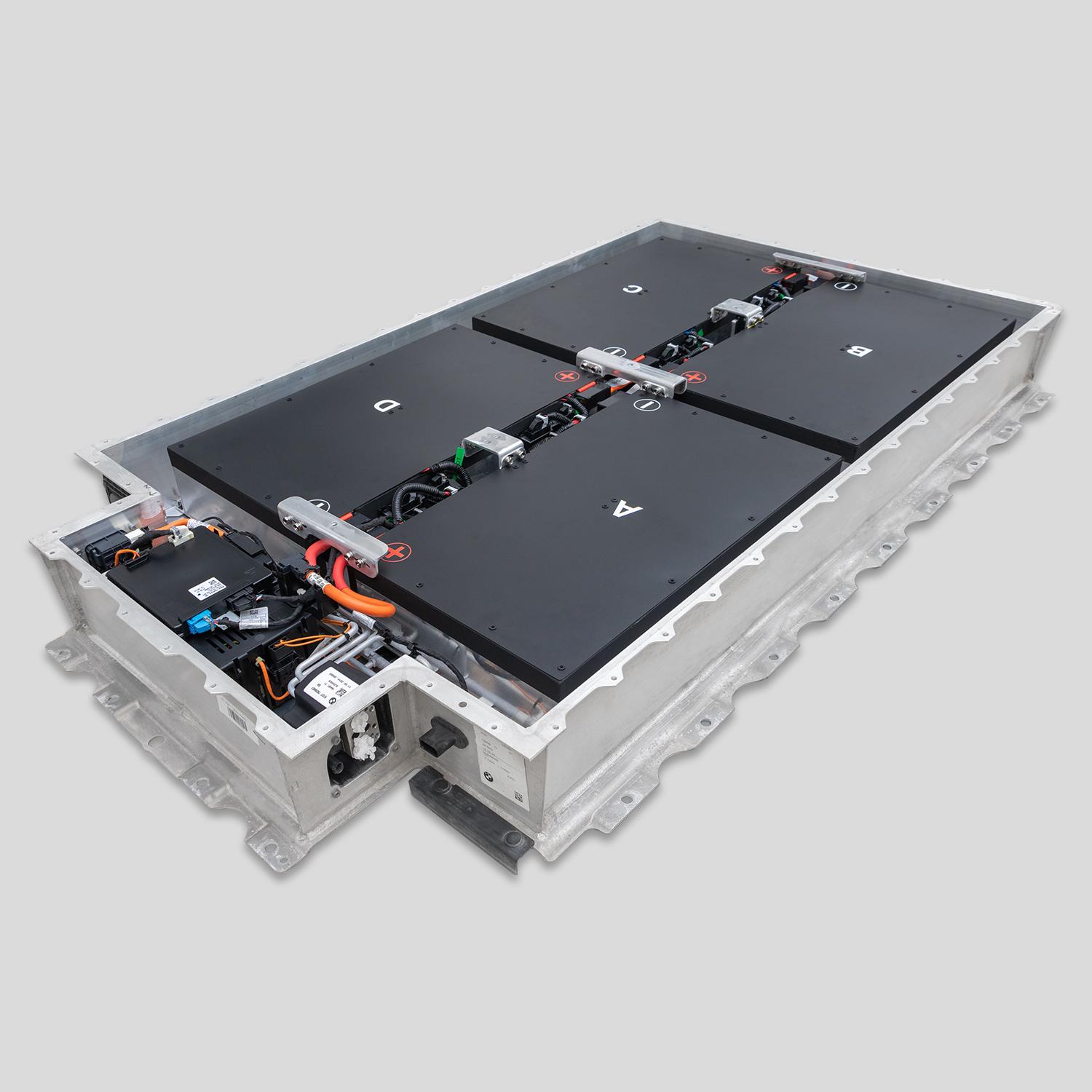
At CNS BATTERY, our BMW i3 Series Battery upgrades utilize 2026-era Grade-A cells that are fundamentally more thermally stable than your original factory pack.
Why Upgrading Beats Changing Habits
- Lower Internal Resistance: Our modern cells generate significantly less heat during charging than your old, high-resistance cells. Even if you charge immediately after driving, the temperature spike is minimal.
- Superior Chemistry: Newer cell formulations withstand higher temperatures without degrading, giving you a wider safety margin.
- Massive Capacity Buffer: With 130–200+ miles of range, even if some degradation occurs over time, you have such a large buffer that range anxiety disappears.
- Smart BMS: Our upgraded Battery Management Systems communicate more efficiently with the cooling system, optimizing fan and pump speeds to keep temps perfect regardless of when you plug in.
- Cost Efficiency:
- Electricity Savings (Night Charging): ~$200/year.
- Dealership OEM Replacement: $18,000–$22,000 USD.
- CNS BATTERY Upgrade: $8,000 – $14,000 USD. You get a brand-new, heat-resistant battery with double the range for half the dealer price.
Real Story: From “Hot & Anxious” to “Cool & Confident”
Meet Sarah, a 2015 i3 owner. She always plugged in at 6 PM. By summer, her car would refuse to fast-charge and her range dropped to 35 miles. A specialist told her the cells were “cooked” from years of immediate charging. She tried switching to 2 AM charging, and while the warnings stopped, her range stayed low. The damage was done.
Sarah contacted CNS BATTERY. We installed a 160 Ah upgrade. “Now I don’t even worry about when I plug in,” Sarah says. “The new battery stays so cool that the fans barely turn on. I have 190 miles of range, and I save money on electricity because I choose to charge at night, not because I have to. The upgrade didn’t just fix my range; it gave me total freedom.”
Stop Stressing, Start Driving
The debate of BMW i3 battery charging: night vs day matters immensely for preserving an aging battery. If your pack is still healthy, always delay your charge until the battery is cool and rates are low. It’s the single best habit you can form.
But if your battery is already degraded, don’t rely on habits to fix physics. Upgrade to a system that handles heat with ease and delivers the range you deserve.
Is your i3 suffering from heat-related range loss?
Stop guessing and start solving. Contact CNS BATTERY today for a professional thermal and State of Health diagnostic. Discover how our BMW i3 Series Battery upgrades can provide a thermally resilient power source with 130–200+ miles of range, making charging time irrelevant.
👉 Get Your Thermal Assessment & Upgrade Quote
Frequently Asked Questions (FAQ)
1. Is it better to charge my BMW i3 at night or during the day?
Yes, night charging is significantly better. It allows the battery to cool down completely after driving before the charging process begins, reducing thermal stress on the cells. It also takes advantage of lower off-peak electricity rates.
2. How long should I wait after driving before charging?
Ideally, wait 2-3 hours for the battery to return to ambient temperature. Using a timer to start charging at 2:00 AM or 3:00 AM is the easiest way to achieve this automatically.
3. Will night charging restore my lost range?
No. Night charging prevents future degradation, but it cannot reverse existing chemical damage. If your range is already low due to age, only a battery replacement or upgrade will restore it.
4. Does the i3’s liquid cooling system make charging time irrelevant?
Not entirely. While the liquid cooling system helps, it has limits, especially in older vehicles with aged coolant and pumps. Charging a hot battery still forces the system to work harder and keeps cells at higher temperatures for longer, accelerating aging.
5. How much money can I save by charging at night?
Depending on your local utility rates, switching to off-peak night charging can save you $150–$250 per year on electricity bills.
6. Do CNS BATTERY upgrades handle heat better than stock?
Absolutely. Our 2026-era Grade-A cells have lower internal resistance, meaning they generate less heat during charging. Combined with a fresh cooling system service, our upgrades are far more resilient to thermal stress than original 10-year-old packs.
7. Can I set my i3 to charge automatically at night?
Yes. You can use the iDrive scheduling feature in your car settings or a smart home charger to delay the start time. Set the “Departure Time” or “Charging Start Time” to ensure charging begins only after the battery has cooled (e.g., 2:00 AM).