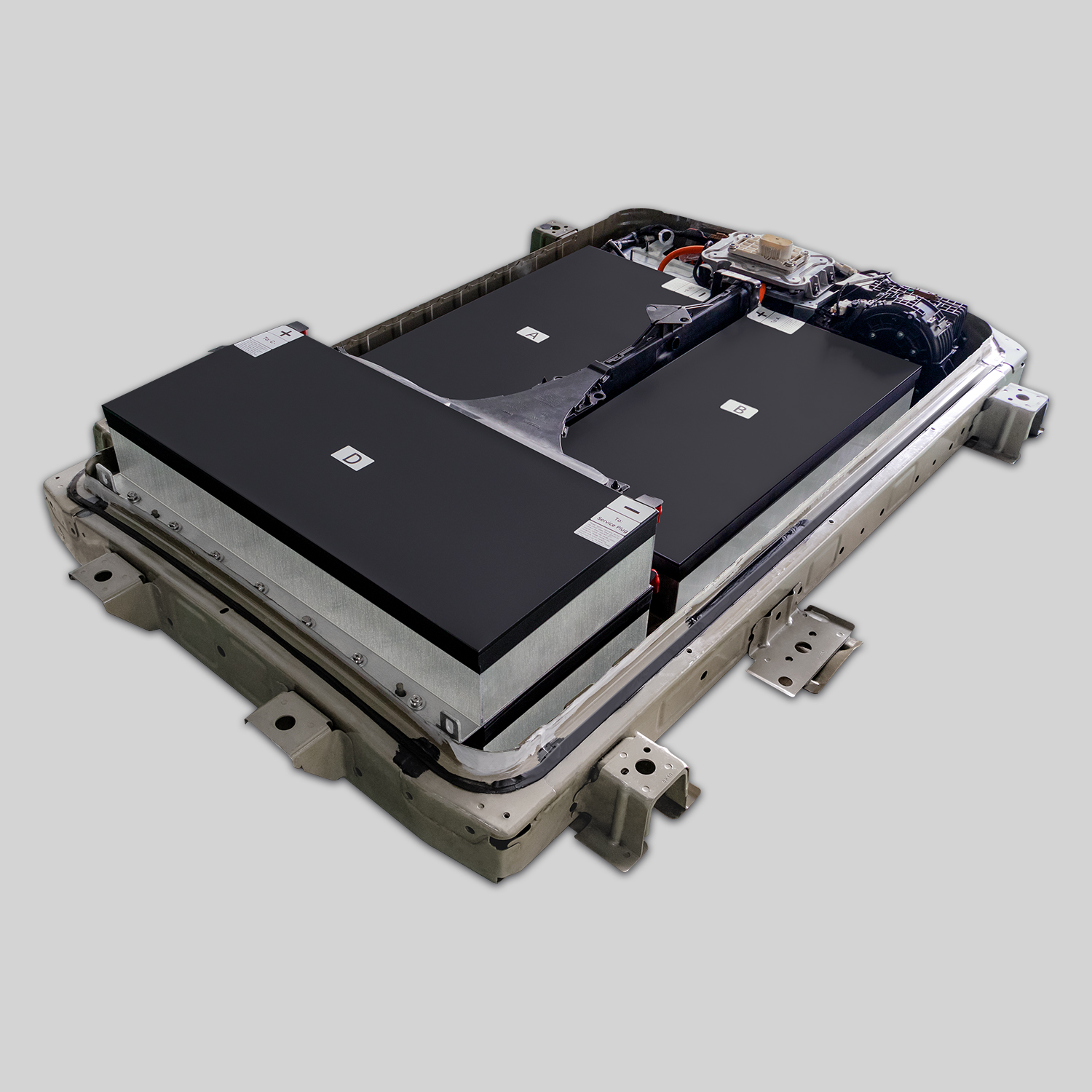
BMW i3 Battery Cell Short: The Invisible Fire Hazard You Must Address
It often starts with a whisper, not a bang. Your BMW i3’s range drops inexplicably overnight. The “Maximum Charge Level” warning flashes on the dashboard. Or perhaps, you notice the cooling fans screaming at full blast even when the car is parked and off.
Many owners dismiss these as minor glitches or software bugs. But beneath the floor of your vehicle, a far more dangerous reality could be unfolding: a BMW i3 battery cell short.
Unlike gradual wear and tear, an internal short circuit is a critical safety emergency. It generates intense, localized heat that can trigger thermal runaway, leading to fire, toxic fume release, and total vehicle loss. At CNS BATTERY, we believe safety is non-negotiable. This article exposes the silent dangers of a shorted cell, why “waiting it out” is a gamble you cannot afford, and how a professional battery replacement is the only path to true peace of mind.
Understanding the Enemy: What is a Cell Short?
Your BMW i3 battery pack is composed of hundreds of individual lithium-ion cells. Inside each cell, a microscopic separator keeps the positive and negative electrodes apart.
A cell short occurs when this separator fails.
- Internal Causes: Over time, lithium dendrites (tiny crystal spikes) can grow and pierce the separator. Physical damage from road debris or manufacturing defects can also cause breaches.
- The Result: When the separator fails, electricity flows directly between the electrodes, bypassing the external circuit. This creates a massive surge of current within a confined space.
The immediate consequence? Extreme heat. In seconds, temperatures inside the cell can exceed 500°F (260°C), melting surrounding components and igniting the flammable electrolyte.
The Critical Safety Risks: Why This Is Different From Normal Degradation
Normal battery degradation means you lose range. A cell short means you risk a catastrophe.
1. Thermal Runaway and Fire
The most terrifying risk is thermal runaway. A single shorted cell acts like a blowtorch inside the sealed battery module. It heats adjacent cells, causing them to fail in a domino effect. This chain reaction can happen rapidly, creating a fire that is incredibly difficult to extinguish because the battery generates its own oxygen.
2. Unpredictable Failure Modes
A shorted cell doesn’t always fail immediately. It can remain dormant until a specific trigger occurs—like hitting a bump, driving at high speeds, or plugging into a fast charger. This unpredictability means your car could be safe in your driveway one moment and a fire hazard the next.
3. Toxic Gas Emission
Even before flames appear, a shorting cell can vent toxic, corrosive gases (including hydrogen fluoride). These fumes are dangerous to inhale and can damage the vehicle’s interior electronics and your health.
4. High-Voltage Isolation Loss
A short often compromises the electrical isolation of the entire pack. If the safety contactors fail to disconnect quickly enough, the vehicle chassis could become energized, posing a severe electrocution risk to anyone touching the car.
Warning Signs: Is Your BMW i3 at Risk?
Do not wait for smoke. Be vigilant for these early indicators of a potential BMW i3 battery cell short:
- Sudden, Severe Range Drop: Losing 20-30% of your range almost instantly.
- Extreme Cell Voltage Deviation: A diagnostic scan reveals one or more cells with voltage significantly lower than the rest (e.g., a difference greater than 0.1V).
- Aggressive Thermal Management: Cooling fans running at maximum speed constantly, even in cool weather or when the car is off.
- Charging Aborts: The car repeatedly stops charging with errors like “High Temperature” or “Cell Voltage Irregularity.”
- Unusual Odors: Any smell of sweet chemicals, burning plastic, or acrid fumes near the vehicle.
If you experience any of these symptoms, stop driving and charging immediately. Tow the vehicle to a certified specialist.
Why “Fixing” a Shorted Cell is Not an Option
You might find online forums suggesting you can simply swap out the bad module. We strongly advise against this approach for safety reasons.
- Hidden Damage: A short circuit often damages the busbars, cooling plates, and neighboring cells. Swapping one module leaves compromised infrastructure that could fail later.
- Mismatched Chemistry: Replacing one module with a used or different batch creates new imbalances, increasing the stress on the new cell and risking another short.
- Safety Protocols: Handling a potentially unstable high-voltage pack requires specialized PPE, discharge tools, and fire suppression equipment that DIYers do not possess.
The only truly safe, reliable, and permanent solution for a confirmed cell short is a complete battery pack replacement.
The CNS BATTERY Solution: Eliminate the Risk Entirely
At CNS BATTERY, we don’t just sell batteries; we deliver safety. Our BMW i3 Series Battery replacements are engineered to eliminate the risks associated with aging, short-prone OEM packs.
Why Choose CNS BATTERY for a Critical Replacement?
- Rigorous Safety Testing: Every pack we ship undergoes strict insulation resistance testing, load cycling, and thermal imaging to ensure zero internal shorts before it leaves our facility.
- Advanced Cell Technology: We use modern Lithium-Ion cells with reinforced separators and superior thermal stability, specifically designed to resist the dendrite growth that causes shorts in older packs.
- Complete System Renewal: By replacing the entire pack, you eliminate the shorted cell, the aged wiring, the corroded connectors, and the worn cooling components—all potential failure points.
- Cost-Effective Peace of Mind: A dealership replacement for a failed pack can exceed $20,000 USD. Our solutions typically range from $8,000 to $12,000 USD, offering a brand-new level of safety for half the price.
- Comprehensive Warranty: Our warranty covers safety defects and performance, ensuring that if anything goes wrong, we stand behind our product.
A Real-Life Lesson: Don’t Gamble with Fire
Consider the case of David, an i3 owner in Florida. His car began showing slight voltage deviations. A local mechanic suggested a cheap used module swap to save money. David hesitated and contacted CNS BATTERY for a second opinion.
Our analysis showed that the short had already caused micro-damage to the cooling plate and adjacent cells. A simple module swap would have likely led to a thermal event within weeks. David opted for a full CNS BATTERY replacement. Two months later, he read news reports of i3 fires caused by similar ignored shorts. “That was me,” David realized. “CNS BATTERY didn’t just fix my car; they protected my family and my home.”
Safety Is Not Worth Compromising
A BMW i3 battery cell short is a ticking time bomb. It is not a problem you can patch, ignore, or delay. The risks of fire, toxicity, and total loss are too high to gamble with.
If you suspect a short, act immediately. Choose the solution that guarantees safety, reliability, and long-term performance.
Suspect a battery cell short in your BMW i3?
Do not drive the vehicle. Contact CNS BATTERY immediately for an emergency consultation. Our experts will help you diagnose the issue safely and arrange a secure, warrantied battery replacement that puts your mind at ease.
👉 Get Emergency Support & Safe Replacement Quote
Frequently Asked Questions (FAQ)
1. What are the immediate signs of a battery cell short in a BMW i3?
Key signs include sudden loss of range, extreme differences in cell voltages during a diagnostic scan, the car refusing to charge, excessive fan noise, and any unusual burning or chemical smells. If you see these, stop using the car immediately.
2. Can a battery cell short cause a fire?
Yes. An internal short circuit generates intense heat that can trigger thermal runaway, leading to a battery fire. These fires are dangerous, hard to extinguish, and can spread rapidly.
3. Is it safe to drive my i3 if I suspect a cell short?
No. Driving with a suspected short puts you, your passengers, and others at risk of a sudden thermal event. The car should be towed to a qualified specialist for inspection.
4. Can I just replace the single bad module to fix a short?
While technically possible, it is highly risky and not recommended. A short often indicates broader pack degradation or damage to surrounding components. Mixing old and new cells can lead to further imbalances and future shorts. A full pack replacement from CNS BATTERY is the safest, most reliable solution.
5. How much does it cost to replace a battery with a cell short?
Dealerships often charge $18,000–$22,000 USD for an OEM replacement. CNS BATTERY provides complete, safety-tested replacement packs typically between $8,000 and $12,000 USD, including modern cells that are less prone to shorting.
6. How does CNS BATTERY ensure their replacements won’t short?
Every BMW i3 Series Battery we supply undergoes strict quality control, including insulation resistance tests, load cycling, and thermal checks. We use modern cells with enhanced separators to prevent the internal failures common in older OEM packs.
7. What should I do if my i3 smells like burning battery?
Pull over safely, turn off the vehicle, evacuate all passengers, and call emergency services. Do not attempt to open the battery pack yourself. Once safe, contact CNS BATTERY for a replacement solution.