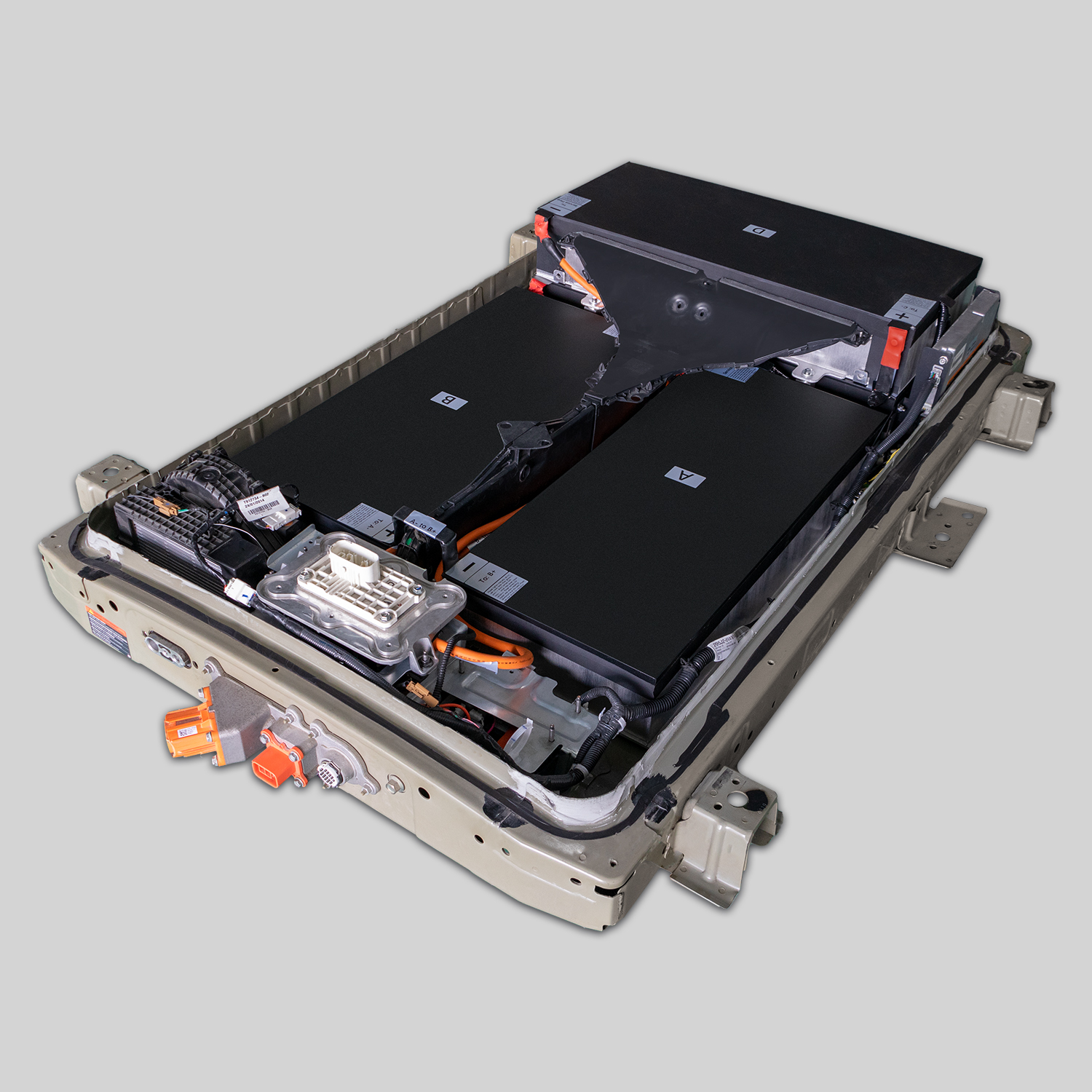
BMW i3 Battery Cell Replacement: Shop Process – The “$200 Cell Fix” That Triggered a Thermal Runaway (And Why Module-Level Swaps Are the Only Safe Path Forward)
“A garage in Lyon advertised ‘BMW i3 battery cell replacement from €199’ to undercut full-pack costs. They opened a degraded 22 kWh pack, removed two swollen cells from Module C, and installed mismatched used cells sourced from a scrapped Leaf. After reassembly, the car drove fine for three days—until Module C overheated during highway driving, tripping a BMS isolation fault. Post-incident analysis showed voltage imbalance of 420 mV between new and old cells, causing continuous overcharge on the weaker units. The customer’s insurance denied coverage: ‘Non-certified repair with untested components.’”
You’ve probably heard this pitch:
- “Why replace the whole pack when only one cell is bad?”
- “We’ll match the capacity—it’s just like OEM.”
- Or the tempting math: “€200 vs. €5,000? No contest.”
But BMW i3 battery cells aren’t Lego bricks—you can’t swap singles without compromising the entire pack’s electrochemical harmony. A single mismatched cell creates imbalance, heat, and long-term failure risk.
This guide exposes the real-world risks of cell-level replacement—and reveals the only shop-approved, safety-compliant process for i3 battery restoration in 2026, including:
- Why individual cell replacement voids safety certifications and insurer acceptance
- How module-level replacement maintains BMS calibration and thermal balance
- The exact tools, environment, and validation steps required for professional work
- And how CNS BATTERY delivers pre-balanced, factory-tested modules—so shops skip risky disassembly and go straight to reliable repair
Because when 96 cells share one fate, cutting corners on one endangers them all.
The Myth of “Just One Bad Cell”
The i3’s battery comprises 8 modules, each with 12 series-connected cells. The BMS monitors per-module voltage—not per-cell. This means:
✅ A failing cell drags down its entire module
✅ But the BMS cannot isolate or bypass a single cell
✅ Replacing one cell creates capacity and impedance mismatch within the module
⚠️ Critical fact: Even a 5% capacity difference between cells causes cumulative stress—leading to premature degradation or thermal events.
🔧 Professional Shop Process: Module Replacement, Not Cell Surgery
Step 1: Diagnose at the Module Level
- Use OBD2 logging to identify weak modules (e.g., consistently lowest voltage under load)
- Perform resting voltage check after 12 hours—modules differing by >50 mV indicate imbalance
- Never assume a single cell is at fault—always treat the module as a unit
Step 2: Work in a Controlled Environment
- HV-certified workspace with insulated flooring and emergency disconnect
- ESD-safe tools and anti-static mats
- Fire-resistant containment tray under the work area
📌 Never open packs in standard bays—lithium fires require Class D extinguishers and evacuation plans.
Step 3: Replace Full Modules—Not Cells
- Source matched, tested modules (same chemistry, age, and SoH)
- Never mix new and used cells—even if voltages appear similar
- Install with OEM-spec busbars and torque-controlled fasteners
Step 4: Revalidate the Entire Pack
- Check module-to-module resistance balance
- Perform isolation test at 500V DC
- Execute BMS registration and adaptation drive cycle
💡 Pro insight: BMW’s own service manuals prohibit individual cell replacement—only full module swaps are documented.
Why Cell-Level Repairs Fail—Even When They “Work” Initially
Common pitfalls:
❌ Used cells have hidden cycle history → degrade faster than neighbors
❌ Welding damages cell casing → micro-leaks → moisture ingress
❌ No post-repair balancing → BMS misreads SoC
❌ Voided warranty and insurance → shop liable for future failures
✅ Truth: The cost savings vanish when you factor in comebacks, liability, and lost reputation.
CNS BATTERY: Module-Level Precision—No Disassembly, No Risk
Every CNS i3 battery solution offers:
✅ Complete, pre-assembled modules with matched CATL NMC cells
✅ Factory laser-welded busbars and calibrated BMS communication
✅ Plug-and-play compatibility—no cell handling required
✅ Full 2-year / 80,000 km warranty covering all modules
Result?
Shops complete repairs in 3–4 hours with zero thermal or communication issues.
“We tried cell replacement once. Never again. Now we order CNS modules, swap the bad unit, and the car drives like new—with full warranty backing.”
— EK Auto Repair, Rome
Frequently Asked Questions: BMW i3 Battery Cell Replacement
Q: Can I buy single cells from CNS?
A: No—we only supply full modules or complete packs to ensure safety and performance integrity.
Q: Is module replacement cheaper than a full pack?
A: Often yes—if only 1–2 modules are faulty. CNS offers individual 45/50/62kWh modules for targeted repair.
Q: Do I need special tools to replace a module?
A: Basic HV tools suffice—insulated wrenches, torque driver, and OBD2 scanner for BMS reset. CNS provides full installation videos.
Q: Will the BMS recognize a new module?
A: Yes—as long as the pack’s main BMS remains intact and the new module matches voltage class.
Q: How do I know which module is bad?
A: CNS provides free diagnostic support—send your OBD2 logs, and our engineers pinpoint the faulty module.
A Single Cell Isn’t an Island—It’s Part of a High-Stakes Electrochemical Ecosystem
And tampering with one link risks the entire chain.
Stop Gambling With Cell Swaps: Adopt the Professional Standard—Module-Level Replacement with CNS BMW i3 Battery Units, Backed by Warranty, Validation, and Peace of Mind.
Because your shop’s name is on the invoice—not just the labor.
Order your CNS BMW i3 battery module or full pack today—or request our free “Module Fault Diagnosis Kit” with voltage logging templates and replacement checklist:
👉 https://cnsbattery.com/ev-battery-home/ev-battery-contact/