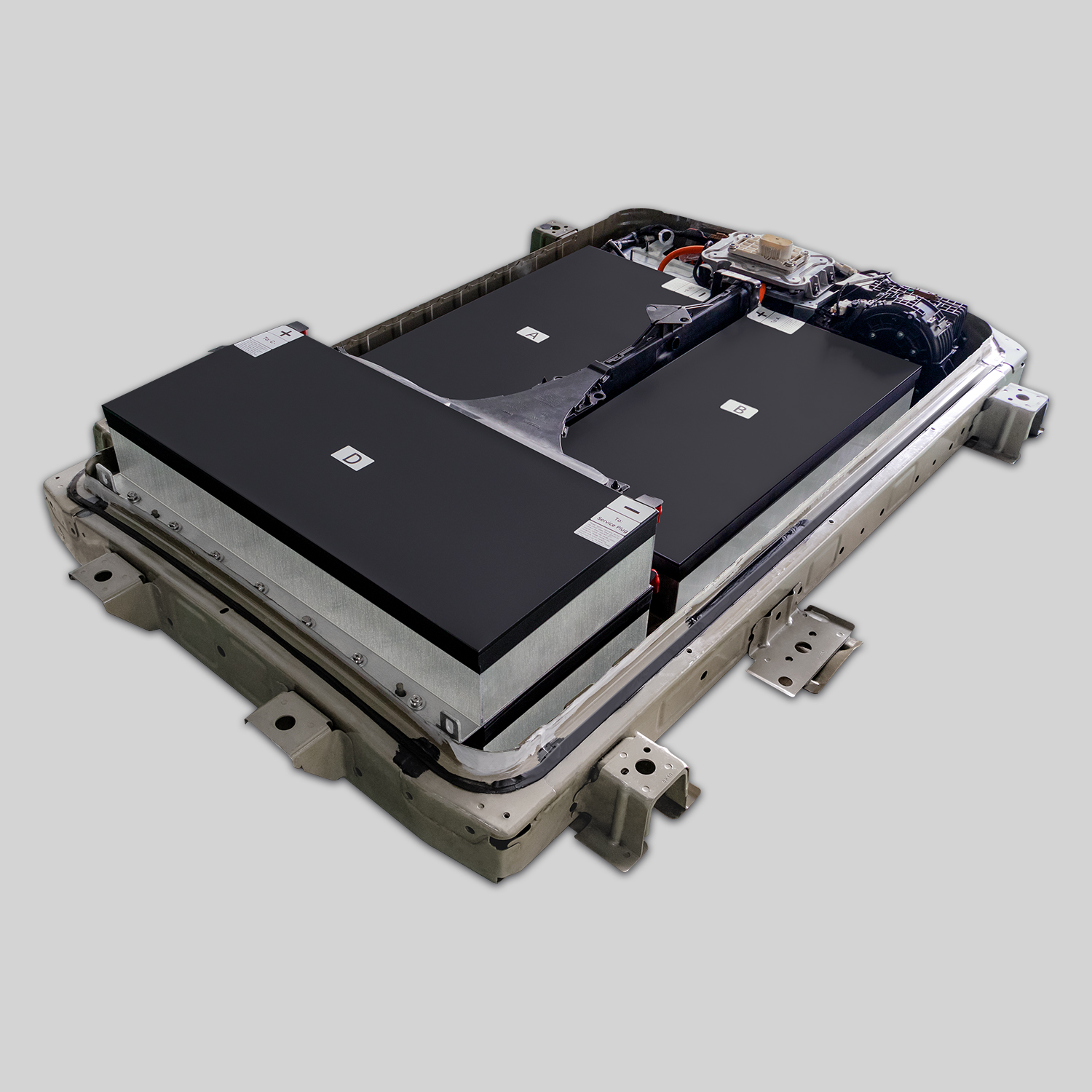
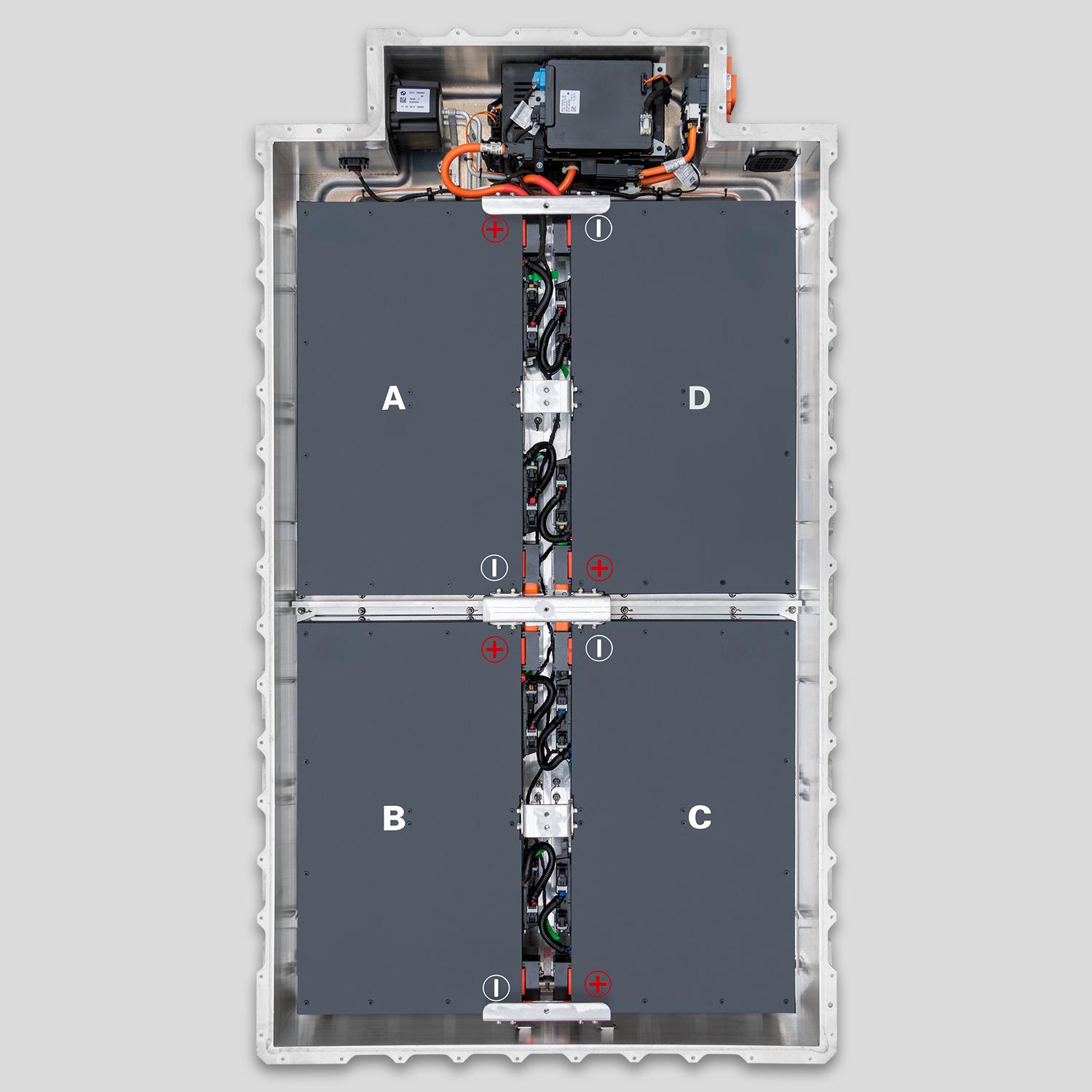
BMW i3 Battery Capacity Test: Step-by-Step—Know Your True Range Before It’s Too Late
“My i3 Still Shows 10 Bars… But I Can’t Make It to Work Without a Midday Charge. Turns Out, the Dashboard Lies. Here’s How to Uncover Your Battery’s Real Health—in Under 20 Minutes.”
You’ve noticed it: your BMW i3 doesn’t go as far as it used to. Maybe you’re charging more often. Maybe regen feels weaker. But when you glance at the dashboard, it still shows 10 or even 11 bars—so you assume everything’s fine.
Here’s the hard truth: the i3’s bar display is notoriously optimistic. It hides early degradation until your usable capacity has already dropped by 25% or more.
Without an accurate capacity test, you’re flying blind—risking range anxiety, unexpected faults, or even a stranded vehicle on a cold morning.
In this guide, you’ll learn:
- The exact step-by-step method to measure your i3’s true battery capacity (kWh)
- Why OBD2 scanners alone aren’t enough—and what data actually matters
- How to interpret State of Health (SoH) like a pro technician
- And why, if your pack is below 75% SoH, replacing it with a CNS BATTERY unit may be smarter than waiting for total failure
Because guessing your range isn’t safe. Knowing it is.
Why the i3’s “Bars” Are Misleading
BMW uses a non-linear, smoothed algorithm for its 12-bar display:
- The first 3–4 bars disappear very slowly
- Degradation accelerates after ~70% SoH—but bars stay unchanged
- Cold weather, software updates, or BMS resets can temporarily “restore” bars
📉 Real-world example: An i3 with only 24 kWh usable (vs. 33 kWh new) may still show 9–10 bars—masking a 27% capacity loss.
That’s why a proper battery capacity test is essential—not just for peace of mind, but for safety and planning.
🔋 Step-by-Step: How to Accurately Test Your i3 Battery Capacity
⚠️ Important: Perform this test on a dry day, 10–25°C (50–77°F), with no climate load.
✅ Step 1: Fully Charge Overnight
- Plug in using Level 2 (240V)
- Let the car sit plugged in for 2+ hours after 100% to balance cells
- Do not precondition or drive before the test
✅ Step 2: Record Starting Data via OBD2 App
Use BimmerLink (iOS) or OBDLink + BimmerCode (Android):
- Connect to OBD port under dash
- Navigate to: HV Battery → State of Health (SoH %)
- Also note: Usable Capacity (kWh), Max Range (km/mi), Bar Count
💡 Tip: On older i3s (60Ah/94Ah), SoH may not display directly—skip to Step 3.
✅ Step 3: Drive a Controlled Discharge Loop
- Choose a flat, low-traffic route (e.g., highway loop or quiet suburban streets)
- Set climate to 20°C (68°F) with fan on low—no seat heaters
- Drive at steady 50–60 km/h (30–37 mph)
- Stop when the car hits 10% SoC (or displays “Range: 0”)
✅ Step 4: Calculate True Usable Capacity
- Note total km driven
- Check your i3’s official efficiency (e.g., 13.5 kWh/100km for 120Ah)
- Formula:
True Usable kWh = (km driven × kWh/100km) ÷ 100
📊 Example:
- Drove 160 km
- Efficiency: 14 kWh/100km
- Usable capacity = (160 × 14) ÷ 100 = 22.4 kWh
- New 120Ah = ~33 kWh → SoH ≈ 68%
✅ Step 5: Compare to Expected Values
| i3 Model | New Usable kWh | 75% SoH | 70% SoH | Action Threshold |
|---|---|---|---|---|
| 60Ah | ~18.8 kWh | ~14.1 | ~13.2 | Replace if <14 kWh |
| 94Ah | ~27.2 kWh | ~20.4 | ~19.0 | Replace if <20 kWh |
| 120Ah | ~33.0 kWh | ~24.8 | ~23.1 | Replace if <24 kWh |
🛑 If your result is below 75% SoH, your pack is entering high-risk territory for sudden drops or thermal faults.
What Most Owners Miss: Hidden Degradation Signs
Even with decent capacity, watch for:
- Voltage sag under acceleration (car feels sluggish)
- Regen cutting out above 20% SoC
- Longer charging times at Level 2
- Modules showing >5°C temperature difference in live data
These indicate cell imbalance or internal resistance growth—problems that won’t show in a basic capacity test but signal impending failure.
When Testing Reveals It’s Time to Upgrade
If your test shows <75% SoH, consider replacement before winter or long trips. Why?
- Degraded packs perform worse in cold
- BMS becomes less accurate → unexpected shutdowns
- Resale value plummets once bars drop visibly
And when you do replace, choose a solution built for transparency and longevity:
CNS BATTERY packs deliver:
- Brand-new CATL cells with verified initial capacity
- Realistic SoH tracking—no inflated bar counts
- 2-year / 80,000 km warranty guaranteeing ≥9/12 bars
- Plug-and-play compatibility—no coding or calibration needed
“After my test showed only 21 kWh usable (on a 120Ah), I switched to a CNS 62kWh pack. Now I get 410 km in summer—and the app shows real-time SoH. No more guessing.”
— Lisa K., Copenhagen
Frequently Asked Questions: i3 Battery Capacity Testing
Q: Can I trust free apps like EVNotify?
A: They estimate based on voltage—useful for trends, but not accurate for absolute capacity.
Q: Does DC fast charging affect the test?
A: Yes—always use AC Level 2 for the pre-test charge to ensure full cell balancing.
Q: How often should I test?
A: Every 6 months if over 50,000 km, or annually for low-mileage cars.
Q: Will a CNS pack show accurate SoH in BimmerLink?
A: Yes—our BMS reports real-time data compatible with all standard i3 diagnostic tools.
Q: Can dealers perform this test?
A: They run ISTA diagnostics, but often won’t disclose SoH % unless under warranty claim.
Knowledge Is Power—Especially When It’s Stored in Your Battery
You wouldn’t drive a car with a broken fuel gauge. Don’t drive an EV without knowing your true battery health.
A 20-minute capacity test could save you from a $200 tow—or help you time a smart upgrade before your pack leaves you stranded.
Ready to Replace Guesswork with Guaranteed Performance?
If your test reveals significant degradation, CNS BATTERY offers a transparent, reliable path forward—with fully tested packs, honest capacity ratings, and lifetime technical support.
Click below to request your free capacity analysis consultation and personalized quote:
👉 https://cnsbattery.com/ev-battery-home/ev-battery-contact/