BMW i3 Battery Capacity Loss: Can You Reverse It—or Is Replacement the Only Real Fix?
You charge your BMW i3 overnight, but by lunchtime, half the range is already gone. The dashboard shows only 8 bars instead of 12. You wonder: Is this just “normal aging”—or is my battery failing for good? And more importantly… can I get that lost range back?
If you’ve noticed your i3’s driving distance shrinking year after year, you’re facing a critical question: Is battery capacity loss reversible—or permanently gone?
The answer isn’t as simple as “yes” or “no.” But understanding the science—and your options—could save you thousands and restore your confidence behind the wheel.
The Truth About BMW i3 Battery Degradation
All lithium-ion batteries degrade over time. In the BMW i3 (especially 2014–2018 models with the original 60Ah or 94Ah packs), capacity loss is inevitable due to:
- Calendar aging: Chemical breakdown even when not in use
- Cycle aging: Wear from repeated charging and discharging
- Heat exposure: High temperatures accelerate electrolyte decomposition
- Deep discharges: Frequently draining below 10% stresses cells
Most i3 owners see 10–20% capacity loss within 5 years. By year 7 or 100,000 km, it’s common to lose 30% or more—translating to under 150 km of real-world summer range on a “full” charge.
But here’s what many don’t realize: once capacity is lost, it cannot be recovered.
Why “Reconditioning” Doesn’t Restore True Capacity
You might have heard of services claiming to “rebalance,” “recondition,” or “refresh” your i3 battery. These often involve:
- Cycling the pack through multiple charges/discharges
- Replacing one or two weak modules
- Resetting the BMS (Battery Management System)
While these may temporarily improve voltage stability or recalibrate the state-of-charge display, they do not regenerate lost lithium ions or repair degraded electrodes. The underlying cell chemistry remains damaged.
In fact, partial module replacements can create cell imbalance, leading to faster future degradation or even safety risks.
Bottom line: If your i3 battery has truly lost capacity (confirmed by low bar count + reduced range), the loss is permanent—not reversible.
When Replacement Isn’t Just an Option—It’s a Smart Upgrade
Instead of chasing false fixes, forward-thinking i3 owners are choosing a strategic replacement with modern, high-performance packs.
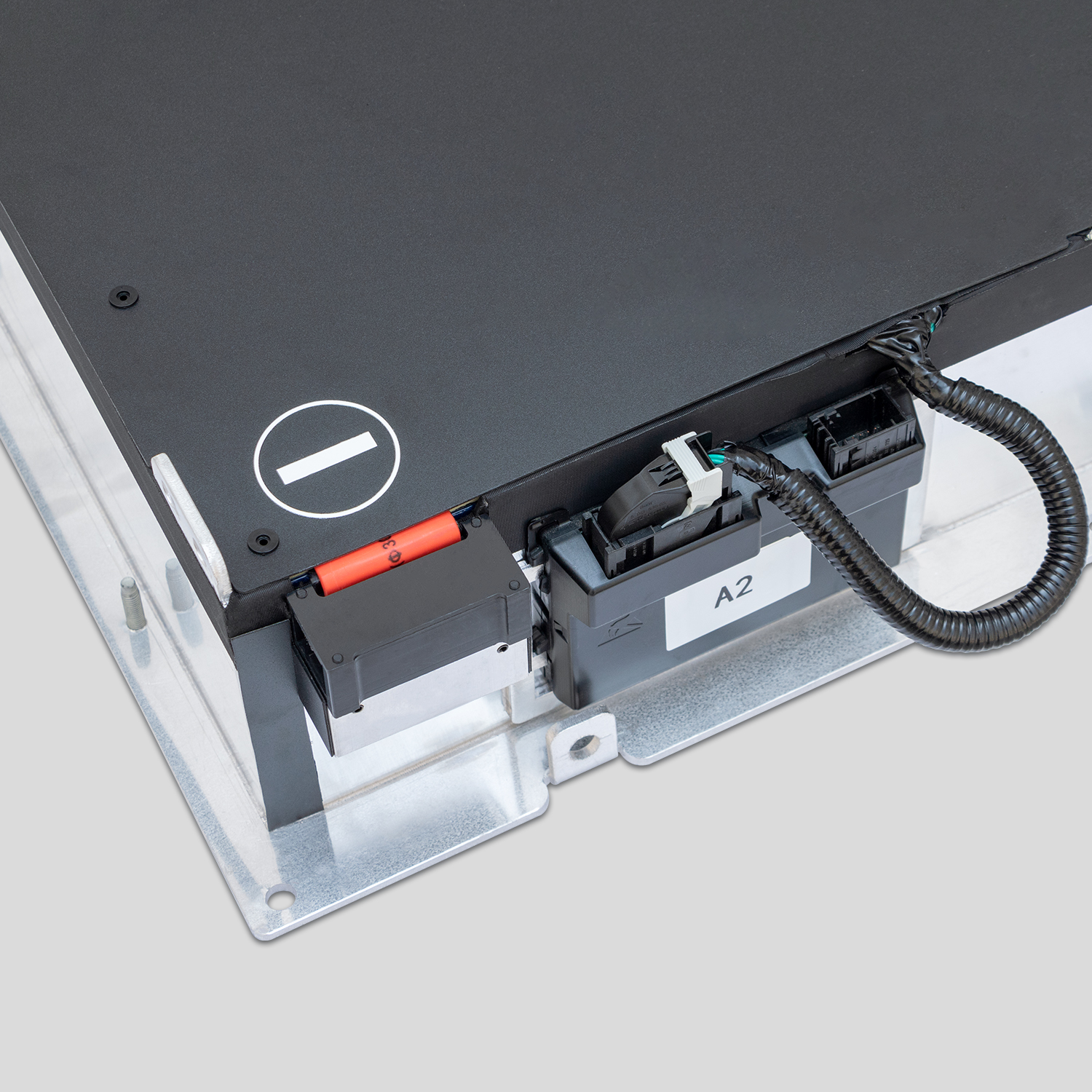
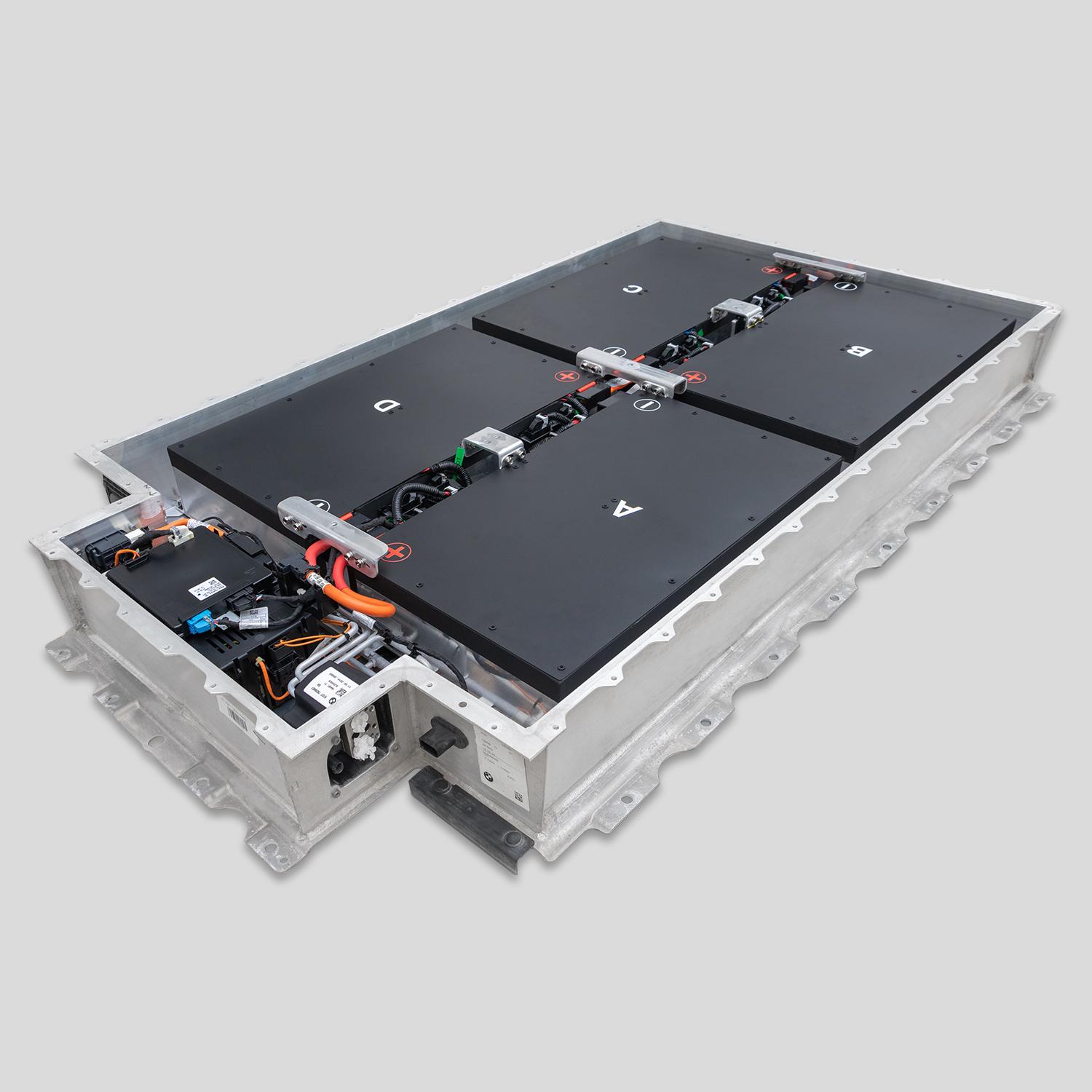
CNS BATTERY offers brand-new, factory-grade BMW i3 battery packs in 45kWh, 50kWh, and 62kWh configurations—each built with fresh CATL ternary lithium cells, the same quality used by top EV manufacturers.
Unlike aging OEM packs, our batteries deliver:
- Consistent, predictable range (290–310 km real-world)
- Full 12-bar display that stays stable for years
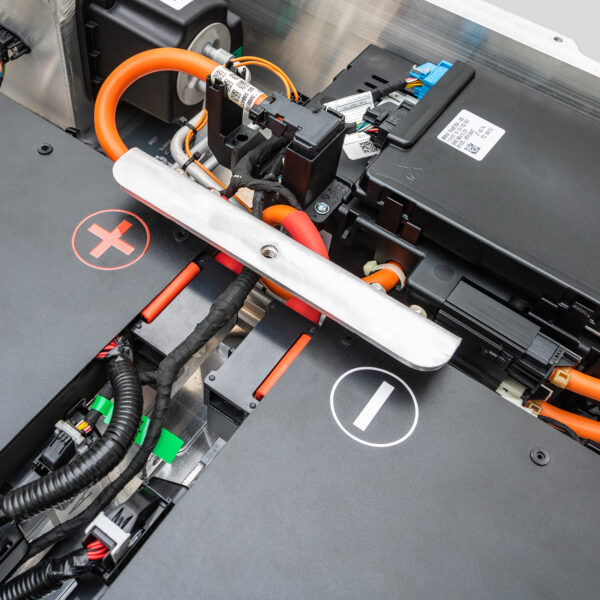
- OEM-compatible connectors and BMS communication—no coding needed
- 2-year / 80,000 km warranty, far exceeding refurbished alternatives
David L. from London shared his experience:
“I tried a ‘reconditioned’ pack to save money. It swelled in six months. After switching to a new CNS 62kWh battery, my i3 feels like it did in 2017—only better. The range is accurate, charging is smooth, and I finally trust my car again.”
Don’t Waste Time on Illusions—Restore What Matters
You didn’t buy a BMW i3 to constantly worry about how far you can drive. You bought it for clean, agile, joyful urban mobility.
If capacity loss has turned your daily commute into a range-anxiety exercise, it’s not your driving—it’s your battery. And while you can’t reverse time, you can reset your battery’s life with a reliable, modern replacement.
Ready to Get Your Range—and Peace of Mind—Back?
Stop guessing how far you can go. Get a free, personalized quote for a brand-new BMW i3 battery pack designed for long life, safety, and seamless integration.
👉 Contact CNS BATTERY for Your Custom Solution
FAQ: BMW i3 Battery Capacity Loss Explained
Q: How do I know if my capacity loss is permanent?
A: If your i3 shows 9 bars or fewer on a full charge and your real-world range is consistently below 180 km (for a 94Ah model), the loss is almost certainly permanent. Software resets won’t bring back missing kWh.
Q: Can software updates fix battery degradation?
A: No. Software can recalibrate the BMS display, but it cannot restore actual energy storage capacity. A “12-bar” reading after a reset doesn’t mean the cells hold more energy—it just masks the problem.
Q: Are newer i3 batteries more resistant to degradation?
A: Yes. Packs using modern NMC (nickel-manganese-cobalt) cells—like those from CATL—have improved thermal stability and cycle life compared to early-generation cells in 2014–2016 i3s.
Q: How long will a new CNS battery last?
A: With proper care (avoiding extreme heat, deep discharges, and frequent fast charging), our packs typically retain 90%+ capacity after 3 years. The 2-year warranty covers defects and premature degradation.
Q: Will a replacement battery work with my older i3 (e.g., 2015 REx)?
A: Yes. CNS BATTERY provides model-specific packs fully compatible with all i3 variants (BEV and REx) from 2014–2022, including correct CAN bus communication and mounting points.