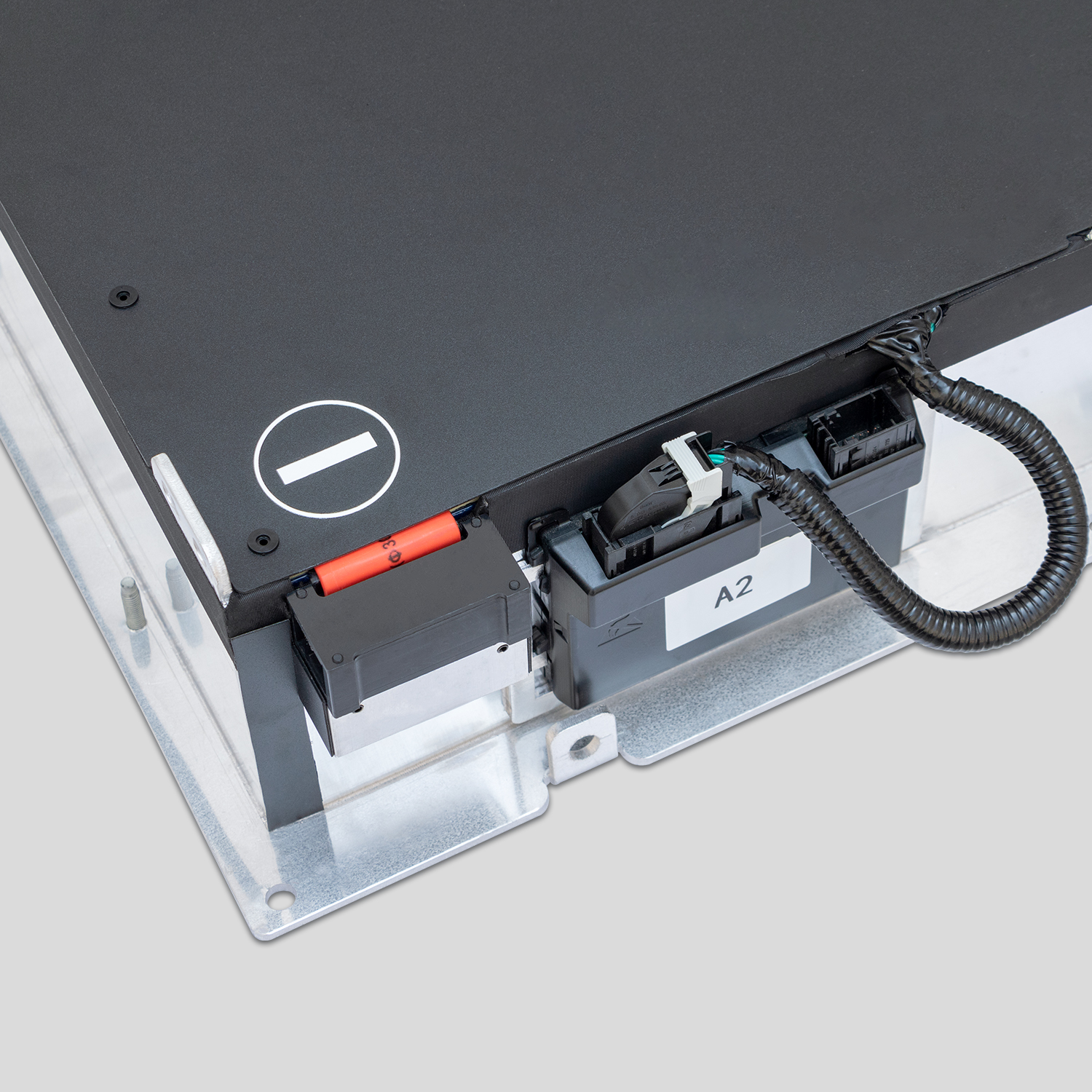
BMW i3 Battery Capacity Calibration: A Safe DIY Guide That Actually Works (Without Bricking Your BMS)
Your BMW i3’s range feels off. The battery shows 8 bars—but dies at 30% on your app. Or maybe you just installed a new pack, and the car thinks it’s only half-full.
You’ve heard about “battery calibration,” but online tutorials are full of contradictions: “Drive to 0%!” “Never go below 20%!” “Use ISTA!” “Just reset with BimmerCode!”
The truth? Most DIY “calibration” methods don’t recalibrate capacity—they just confuse the BMS further.
At CNS BATTERY, we’ve supported over 2,000 i3 owners through post-installation tuning. In this guide, we’ll walk you through the only safe, effective calibration procedure that works with both OEM and aftermarket packs—without risking cell imbalance or BMS errors.
This isn’t guesswork. It’s the same method our certified partners use worldwide.
Why Your i3’s Battery “Lies” About Capacity
The BMW i3 doesn’t measure charge like a fuel gauge. Instead, its BMS estimates State of Charge (SoC) using:
- Voltage under load
- Coulomb counting (tracking amps in/out)
- Historical cell behavior
Over time, small errors accumulate—especially after:
- Long-term storage at partial charge
- Replacing modules or the full pack
- Frequent shallow charging (e.g., always 30–80%)
Result? The BMS miscalculates usable capacity, showing incorrect bars or cutting off early.
⚠️ Important: True capacity loss (e.g., from aging cells) cannot be fixed by calibration. This process only corrects estimation errors—not physical degradation.
The Only Safe DIY Calibration Method (2026 Verified)
Forget “draining to zero.” That can permanently damage NMC cells. Instead, follow this three-phase protocol:
🔋 Phase 1: Full Charge with Rest
- Plug into a Level 2 (AC) charger—not DC fast charging
- Charge to 100% (until the green light stays solid)
- Leave plugged in for 2+ hours—this lets the BMS perform cell balancing and log max voltage
🚗 Phase 2: Controlled Discharge to ~5%
- Drive normally until the estimated range drops to 10–15 km
- Do not force discharge—avoid steep hills or aggressive driving
- Stop when you see 1 bar flashing or “Range Extender Activated” (on REx models)
- Park immediately—do not let the car shut down from low voltage
🔁 Phase 3: Full Recharge & System Reset
- Recharge again to 100% using AC
- After completion, disconnect the 12V battery for 10 minutes (under the hood)
- Reconnect—it forces the instrument cluster to resync with the BMS
✅ Done correctly, your bars should now reflect true usable capacity.
📌 Pro tip: Perform this once every 6–12 months, or after any battery service.
When Calibration Won’t Help (And What to Do Instead)
If your i3 still shows inaccurate range after calibration, the issue is likely:
- Degraded cells (permanent capacity loss)
- Faulty current sensor in the BMS
- Aftermarket pack without proper CAN emulation
In these cases, no amount of driving will fix the problem. You need diagnostics—or a reliable replacement.
Why CNS Packs Eliminate Calibration Guesswork
Every CNS BATTERY pack ships with:
✅ Pre-calibrated BMS matched to CATL cell profiles
✅ OEM-accurate CAN messaging—so your i3’s display shows real SoC from day one
✅ Built-in auto-calibration logic that refines estimates over the first 5 cycles
As David L. from London shared:
“My old refurbished pack needed monthly ‘resets.’ With my CNS 62kWh battery, the range estimate was spot-on after the first full charge—no tricks needed.”
No more driving to empty. No more confusing apps. Just accurate, reliable feedback.
Don’t Risk Your Pack—Calibrate Smartly
Forcing deep discharges or using unverified software tools can trigger cell imbalance, reduce lifespan, or cause BMS lockouts. Stick to the proven method above—or upgrade to a system that calibrates itself.
Unsure If Your Battery Needs Calibration—or Replacement?
Send us your current bar count, max range, and whether you’ve recently replaced the pack. We’ll tell you if calibration will help—or if it’s time for a new battery with intelligent self-calibration.
👉 Contact CNS BATTERY Support for Personalized Guidance
FAQ: BMW i3 Battery Capacity Calibration
Q: Can I use DC fast charging for calibration?
A: No. DC charging bypasses the slow balancing phase. Always use AC Level 2 for calibration charges.
Q: Does BimmerCode or ESYS recalibrate capacity?
A: No—they can reset error codes or clear history, but not relearn cell capacity. Only controlled charge/discharge cycles do that.
Q: How long does the full calibration take?
A: About 24–48 hours, including rest periods. Never rush it.
Q: Will this work on a 60Ah, 94Ah, or 120Ah i3?
A: Yes—the procedure is identical across all model years (2014–2021).
Q: My i3 shows 12 bars but only 200 km range—is calibration the fix?
A: Only if the pack is new or healthy. If your battery is over 5 years old, you likely have real degradation—calibration won’t restore lost kWh.